

Let’s start with something most homeowners never think about until it gets serious. Leaks behind and underneath concrete slabs often stay hidden for a long time, and by the time you notice them, repair costs can climb fast. That is exactly why understanding the early signs of a slab leak that could save you thousands matters so much. We will walk through the early signs of a slab leak, so you can catch trouble early and avoid major structural damage. Keep reading, because these small clues separate a minor repair from a major headache.
Starting With What a Slab Leak Really Means
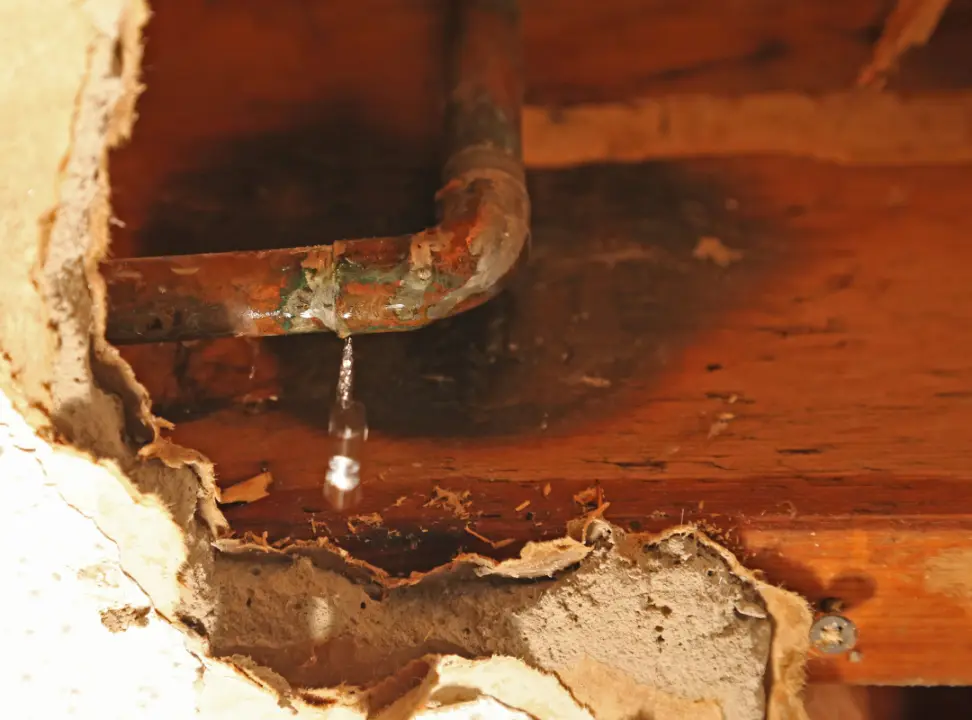
Let’s break it down in simple terms. A slab leak happens when a water line or hot water line breaks under a concrete slab foundation. Water escapes into the soil beneath, and you rarely see it right away.
Most homes use copper pipes or similar materials under the slab. Over time, aging plumbing, poor installation, or shifting soil can weaken these pipes. Even small leaks grow slowly, and that is where the trouble begins.
Paying Attention to Strange Water Bill Changes
Your water bill tells you more than you think. A sudden spike in your bill often points to a hidden leak. You use the same amount of water, but the numbers jump. That is not a coincidence.
Many homeowners ignore this sign and blame seasonal use. But a steady, unexplained increase often connects directly to a slab leak or other plumbing problems under the home.
Listening for Sounds You Shouldn’t Hear
A sound of running water when no taps run often signals trouble. You might also hear a faint hissing or constant movement inside the walls or floors.
These sounds come from water escaping under pressure through small cracks in pipes. If you hear water running at night or during quiet hours, your home might already be dealing with a slab leak, a warning sign that needs attention.
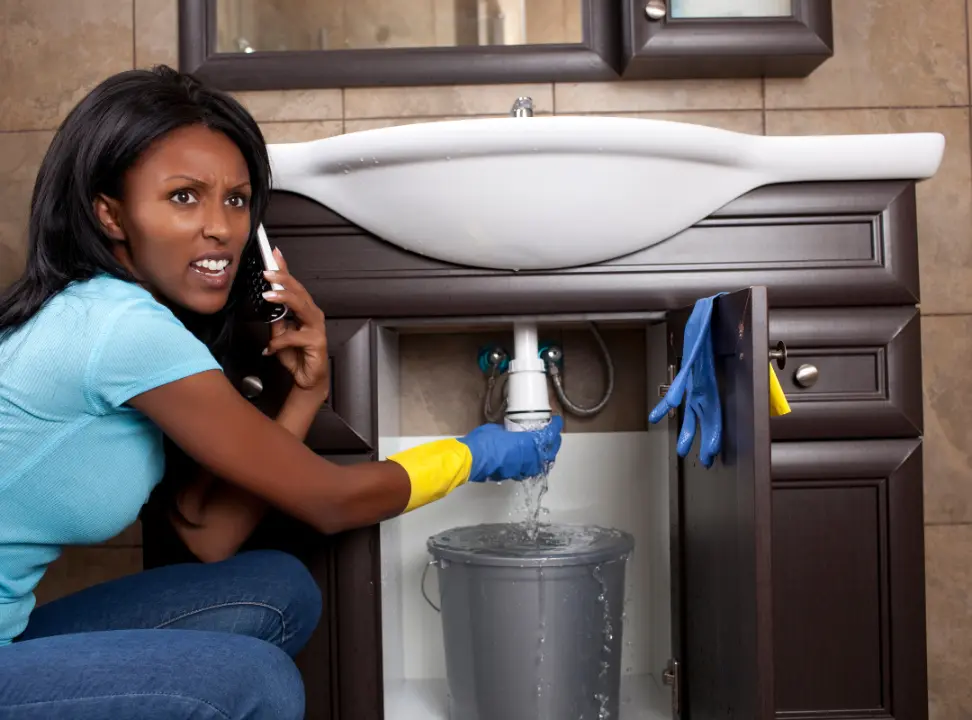
Checking the Floors Under Your Feet
Your floors are often the first to show physical signs. You may notice:
- Damp spots on the floor
- Warm or hot spots on tile or hardwood
- Wet spots that appear and disappear
- Slight buckling in hardwood floors
When water seeps through the concrete slab, it reaches your flooring. Over time, this can lead to mold growth, unpleasant smells, and even structural damage if left unchecked.
Monitoring the Water Pressure Closely
If your water pressure suddenly drops, do not ignore it. A damaged pipe under the slab often causes pressure drops across the system.
You might notice weak flow in the kitchen sink, shower, or other fixtures. Sometimes the issue is caused by older pipes, a failing pressure regulator, or leaks in the main valve line.
Low pressure rarely fixes itself. It usually points to a deeper issue inside the plumbing system.
Testing the Water Meter Trick
Let’s try a simple test that many plumbers use. Turn off all water inside the house. Then check your water meter. If it still moves, water escapes somewhere in the system.
This quick check helps you spot a hidden leak without any tools. Many professionals use this method before moving on to advanced leak detection tools, such as thermal imaging cameras.
Noticing Moisture That Shouldn’t Be There
Let’s walk through your home with a sharper eye. Excess moisture often shows up before visible leaks. You may see:
- Damp carpets
- Soft drywall near floors
- Musty odors
- Small patches of standing water
This happens when water moves through the ground beneath your home and rises into your structure. If you ignore it, the moisture spreads, weakening your concrete foundation.
Hidden Damage Under the Surface
A slab leak does not stay in one place. It spreads through soil movement and constant water flow under the slab. Over time, it can shift the foundation.
This leads to:
- Cracks in floors and walls
- Uneven flooring
- Weakening of the slab
- Expensive repair costs
In severe cases, the issue affects the entire structure and requires complex repair methods.
Understanding What Causes These Leaks
Let’s break down the root causes.
Several factors lead to slab leaks:
- Aging plumbing systems
- Poor installation
- Soil shifts under the home
- Corrosion or leaks in copper pipes
- High water pressure stress
Even small issues grow with time. A tiny crack today becomes a major leak tomorrow.
Let’s Examine How Professionals Locate the Problem
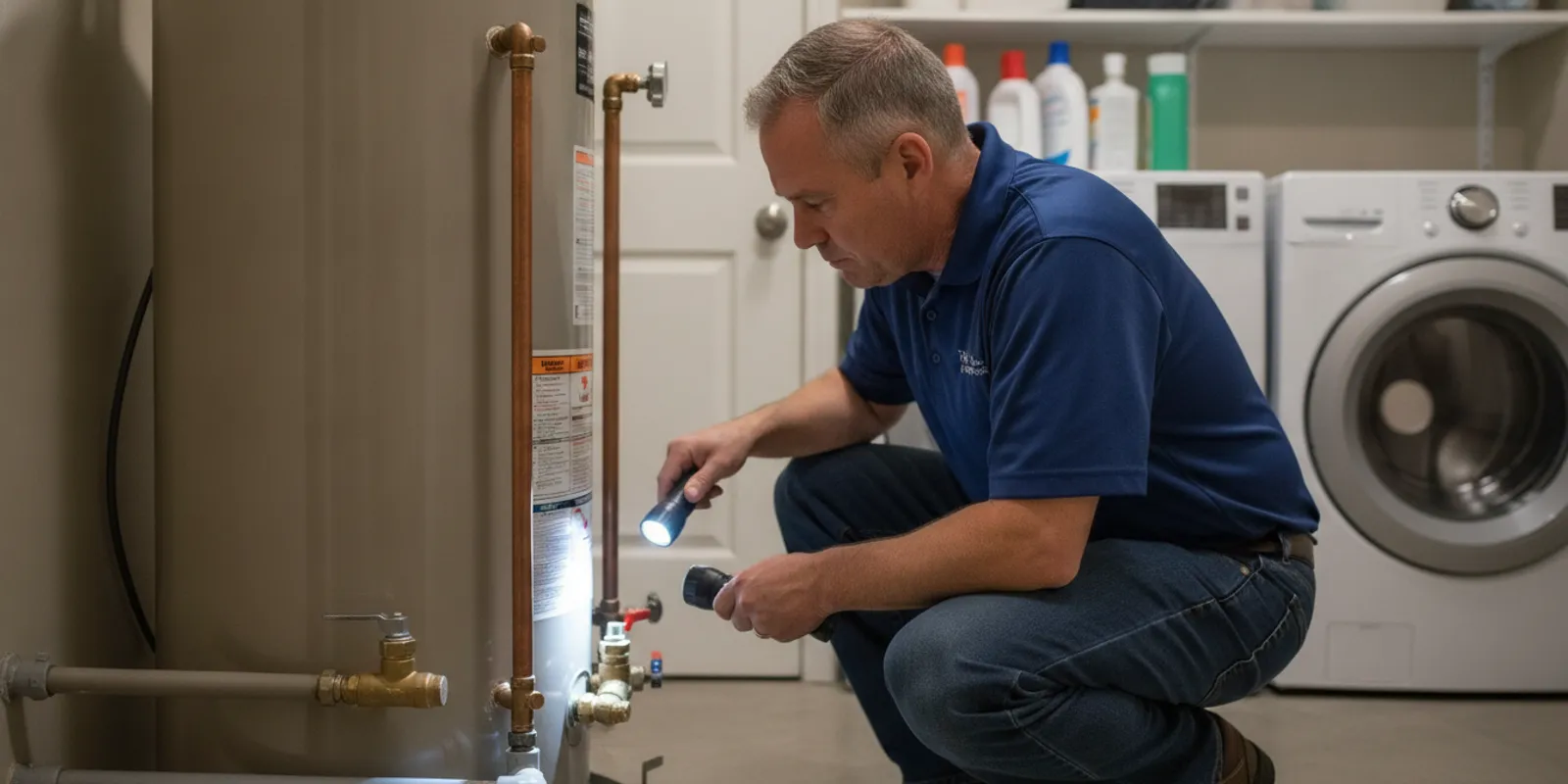
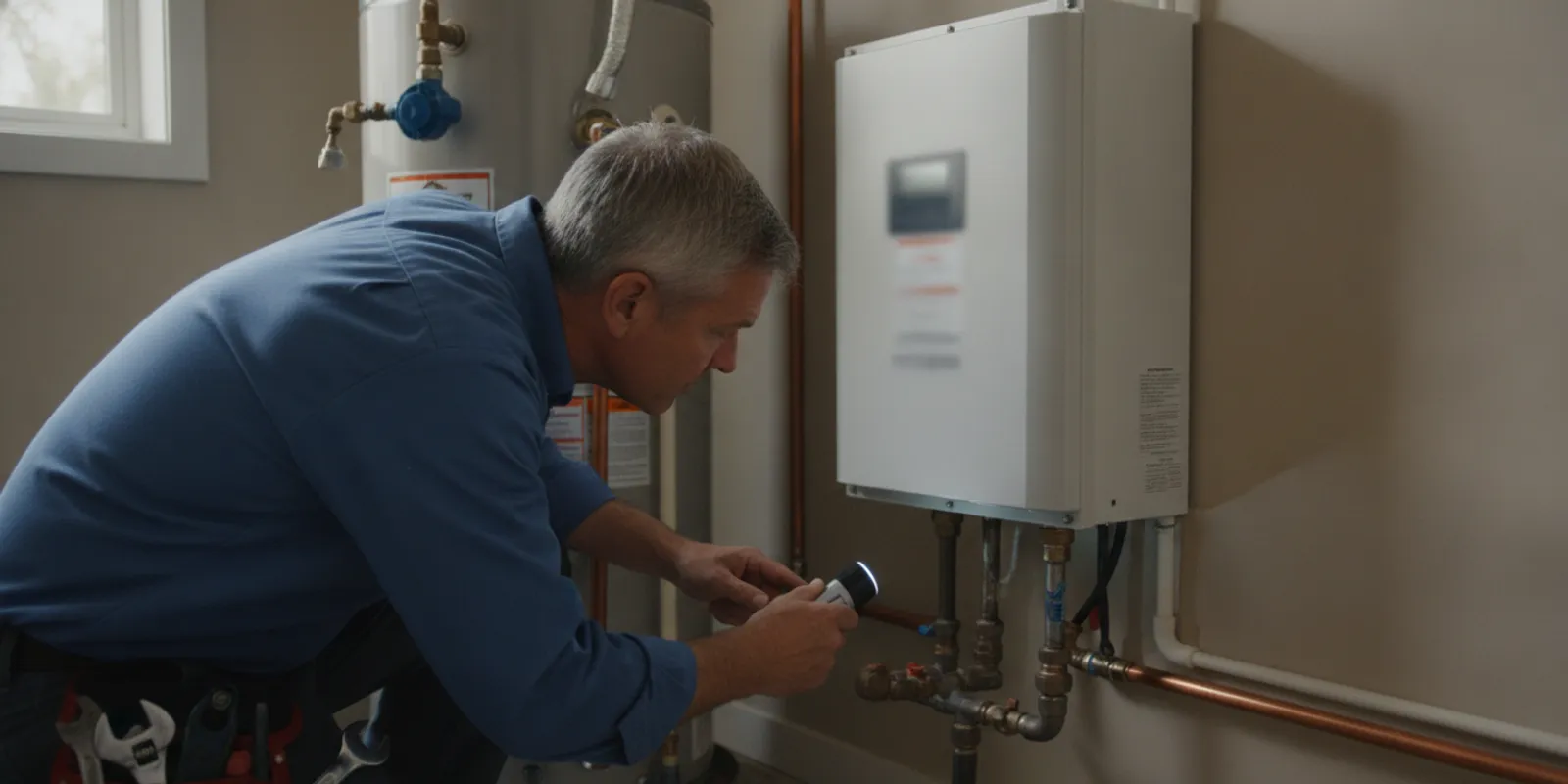
A professional plumber uses advanced tools to find the exact problem without tearing up your home. They use:
- Thermal imaging cameras
- Acoustic sensors
- Moisture detection tools
- Water pressure testing
These tools help them locate leaks with accuracy. This reduces unnecessary damage and avoids full-floor demolition. Early leak detection saves both time and money.
Acting Before the Damage Spreads
Let’s be clear here. A slab leak never fixes itself. If you notice any early warning signs, act quickly. Small leaks grow silently under the slab, and delays only increase costly repairs.
You should:
- Immediately shut off the water supply if leaks seem severe
- Check your meter
- Call a licensed plumber
- Schedule inspections regularly
Routine checks help you prevent slab leaks before they start.
A Silent Risk
Slab leaks stay hidden for a reason. They sit under your home, out of sight, and slowly damage everything above them. But you can stay ahead of the problem. When you understand the early signs of a slab leak that could save you thousands, you take control before damage spreads into your floors, walls, and foundation.
Think of it this way: your home speaks in small signals. You just need to listen early.
Tommie’s Plumbing Spots Early Slab Leak Signs
Slab leaks usually start quietly. A slightly higher water bill or the sound of running water when everything is turned off can easily be brushed aside until the damage becomes expensive and disruptive. At Tommie’s Plumbing, slab leak detection is handled with a focus on finding the issue early, before it spreads under your foundation. Our team also works on pipe repairs, water line issues, drain cleaning, and general plumbing maintenance, so whether it’s a hidden leak or a visible plumbing problem, it gets addressed at the source. If something feels “off” in your home’s water system, don’t wait for the floor to tell you the story later. Contact us today. Let’s catch that slab leak before it starts draining your wallet dry.