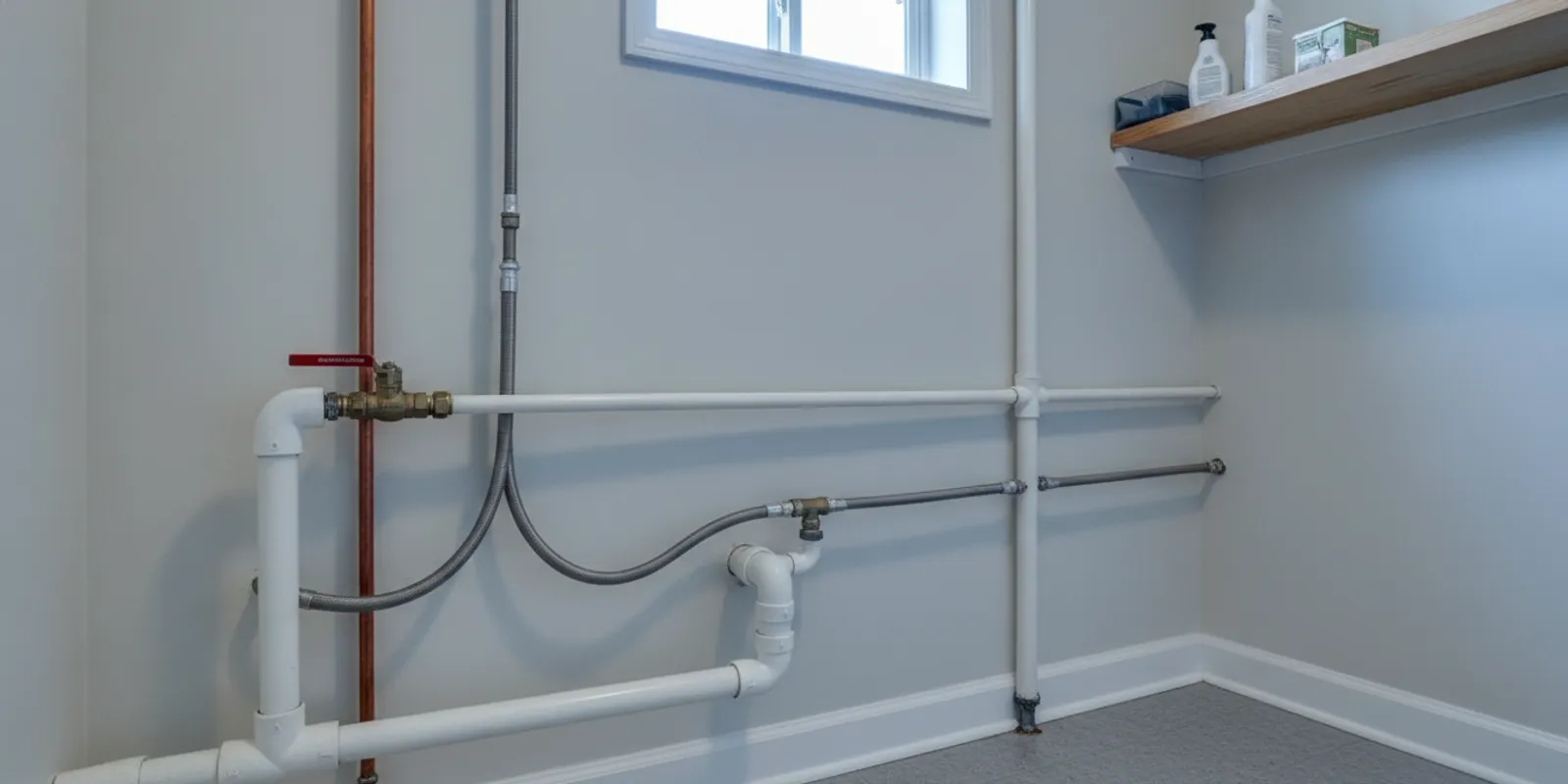
To winterize plumbing in a vacant house, first decide whether the home will stay heated or whether its water system needs a full drain-down. Turning off the water alone does not empty every pipe, fixture, or appliance, so make a plan that accounts for the whole property before freezing weather arrives.
Contact Tommie’s Plumbing to plan plumbing service
What should you decide before leaving the house?
Start with the expected length of the vacancy, the condition of the heating system, the home’s known freeze-prone areas, and whether anyone can check the property. A home empty for a weekend has different needs from one that will remain unoccupied for weeks through winter. If you are unsure how the plumbing is arranged, do not assume that a single valve or a few open faucets will protect every part of it.
There are two broad approaches:
- Keep the home heated and the water on. This may suit a shorter absence when the heating system is dependable and someone can monitor the property. It does not remove the risk of a heating failure, power interruption, or unusually cold conditions.
- Shut off the supply and have the plumbing system drained or winterized. This can reduce the amount of water available to leak or freeze, but it is a more involved process. Water can remain in low spots, traps, appliances, and equipment unless those parts are handled correctly.
Neither choice is automatic for every home. If the house has a boiler, fire-protection piping, an irrigation system, a water treatment unit, a well, or other specialized equipment, those systems may have their own requirements. Check the owner’s instructions and consult a qualified professional before changing their settings or draining them.
For homeowners in Northeast Tennessee, plan for the possibility of freezing conditions rather than relying on a mild forecast on the day you leave. The layout and insulation of the home matter: a pipe in an unheated crawlspace or exterior wall can be more exposed than a pipe in a heated interior room.
Should you leave the heat on or shut off the water?
For a brief absence, maintaining heat is often the simpler plan if the heating system is reliable and the home will remain occupied by no one. Keep the thermostat at a steady setting that maintains safe indoor temperatures, and make sure the heating system is set to operate normally. Ask a trusted person to check the house during an extended absence, especially after severe weather or a power outage.
Do not treat a thermostat setting as a guarantee. A furnace can stop working, a breaker can trip, and a pipe can still freeze in a cold space even when the main rooms feel warm. Pay particular attention to pipes near exterior walls, unheated basements, garages, attics, and crawlspaces. If a particular pipe has frozen before, include it in the plan rather than relying only on the central thermostat.
For a long vacancy, or when the heating system cannot be monitored, ask a plumber to assess whether shutting off and draining the water system is appropriate. A shutoff reduces incoming water, but it does not by itself make the house freeze-proof. The system may still contain water that can freeze and expand. A professional can identify which supply lines, fixtures, and equipment need attention and explain any systems that should not be drained.
If your home will stay in use and you are dealing with a specific pipe problem rather than preparing an empty property, Tommie’s Plumbing also explains copper pipe repair and general plumbing services.
How do you prepare the main water supply?
Before operating a shutoff, find out which valve controls the home’s main water supply and make sure you can reach it. It may be near where the service line enters the house, but locations vary. Do not confuse the main shutoff with a fixture valve or another control. If the valve is stuck, corroded, leaking, or unfamiliar, do not force it; arrange help before you leave.
- Identify the correct valve. Confirm that it controls the whole home’s water supply. If there is more than one possible valve, ask a plumber or the water provider for help identifying them.
- Check access and condition. Clear stored items away from the valve. Look for visible corrosion, moisture, or damage. A shutoff that cannot be closed or reopened reliably should be addressed before the house is vacant.
- Understand the source. Homes on a private well may have additional pump and pressure-tank considerations. Follow the equipment instructions and get qualified advice before shutting down the well system.
- Make a record. Note the valve location and the steps taken. Leave the information where a property caretaker can find it, without assuming they know how the system works.
If a leak occurs while the house is vacant, knowing the main shutoff location can help a caretaker act quickly. If you are unsure how to identify or operate it, arrange an inspection rather than testing a questionable valve in an emergency. The contact page is one way to ask Tommie’s Plumbing about plumbing help.
What should you do after shutting off the supply?
Closing the main valve stops or limits new water entering through that supply, but water remains in the plumbing. A drain-down generally involves opening selected faucets and draining appropriate lines and equipment. The right sequence depends on the house, the water source, pipe arrangement, and appliances. It is not safe to assume that opening every tap will empty everything.
Once the main supply is off, a professional may determine which fixtures to open and whether certain lines need additional methods to remove residual water. Low sections of pipe can hold water. A toilet bowl and tank, sink traps, shower traps, and floor drains also retain water by design. Do not pour automotive antifreeze into plumbing. If a product is considered for a specific fixture, use only a product expressly intended for that application and follow its label; a plumber can explain which fixtures need protection.
Do not leave faucets open without understanding the plan. Depending on the system, open taps may help release water as lines drain, but they are not proof that lines are empty. Mark any valves or taps that need to be returned to their normal position, and tell the caretaker what has and has not been done.
For advice about a leak or a plumbing problem discovered before departure, see Tommie’s guidance on finding the source of a water leak. A visible leak, wet area, or damaged pipe should be dealt with before the property is left unattended.
How should you handle the water heater?
Water heaters need special care during a winter drain-down. The correct procedure depends on whether the unit is electric, gas, tank-style, or tankless, and on its installation and manufacturer instructions. Do not drain a water heater simply because the main water has been turned off.
An electric tank water heater must not be powered while its tank is empty or insufficiently filled; doing so can damage the heating elements. The power source must be handled correctly, and the tank must be refilled and checked before power is restored. Gas models have different controls and safety considerations. Tankless units can retain water in parts of the equipment and may require model-specific steps. When you do not know the right procedure, leave the heater alone and ask a qualified plumber.
Confirm the type of unit and locate its manual before making changes. Do not operate unfamiliar gas controls, disconnect wiring, or bypass safety devices. If the heater will remain on during a short vacancy, follow the manufacturer’s directions for that use and consider how the home’s water plan affects the unit. If the system will be drained, have the heater included in the drain-down plan.
Tommie’s Plumbing provides information about water heater installation and tankless water heaters. For an older unit or an unfamiliar setup, share its make and model when asking about service.
Which pipes and fixtures are easy to overlook?
Walk through the house and its service spaces. A winterization plan can miss a branch line simply because it is out of sight or serves a fixture that is rarely used. Check the following areas:
- Exterior walls and cabinets. Pipes behind kitchen or bathroom cabinets on outside walls may be exposed to colder conditions. Note any history of freezing or limited airflow.
- Garage, attic, basement, and crawlspace. Identify water lines in unheated spaces and inspect for visible damage, gaps, or signs of previous freezing. Do not enter an unsafe or inaccessible space.
- Outdoor faucets and hose connections. Disconnect garden hoses. If the home has a separate shutoff for an exterior faucet, learn how it works and whether the line needs to be drained. A hose left connected can hold water against the faucet.
- Bathrooms and laundry areas. Include toilets, sinks, showers, washing-machine connections, and any nearby floor drain in the plan. Do not assume that a fixture is protected because it is not used often.
- Water treatment and filtration equipment. Softeners, filters, reverse-osmosis units, and similar equipment may have their own water and power requirements. Use the product instructions or ask a qualified professional.
- Appliances and specialty systems. A dishwasher, refrigerator water line, humidifier, boiler, irrigation system, or fire-protection system can involve water beyond the ordinary faucet supply. Confirm the correct steps for each item before shutting anything down.
Keep a written list of unusual equipment, shutoffs, and previous trouble spots. If a line has frozen before, mention that when arranging service. A plumber who understands the home’s layout can help distinguish ordinary fixture preparation from work that requires a specific system procedure.
What should you do about drains, traps, and toilets?
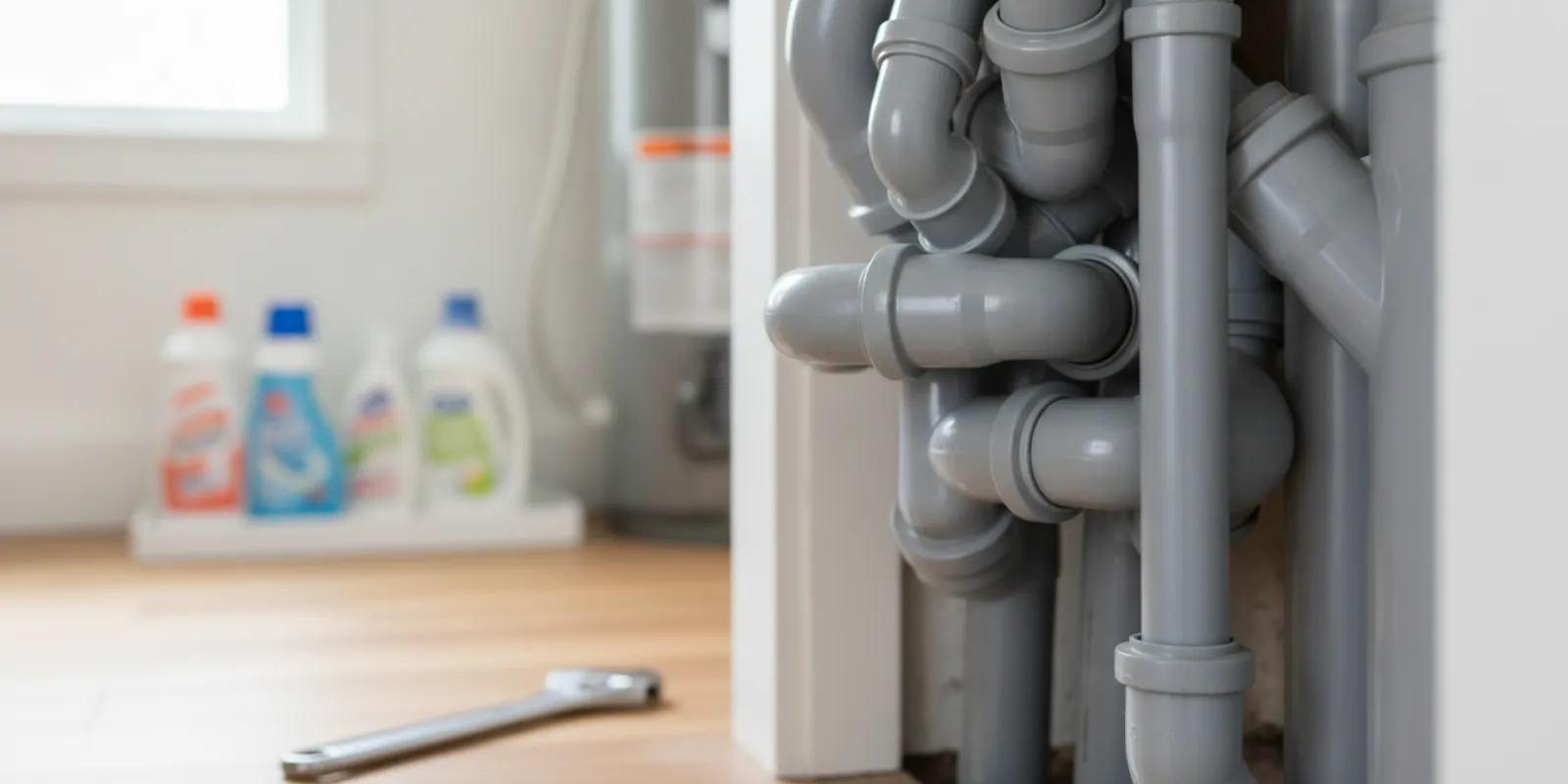
Shutting off the incoming supply does not empty drain plumbing. Sink and shower traps retain water to block sewer gases, while toilet bowls and tanks also hold water. If the home will remain cold, those water-filled areas may need attention as part of a planned winterization. Because the appropriate approach depends on the fixture and how long the property will be vacant, ask a plumber what should be drained and how each fixture should be protected.
Do not flush a toilet repeatedly after the supply is off and expect the bowl and tank to become completely dry. Some water remains in the bowl, and forcing or dismantling parts can create damage. Likewise, do not remove a trap or drain plumbing unless you know how to restore it correctly. If traps are emptied, they must be treated appropriately so the home remains safe and sewer gases are not allowed to enter.
Floor drains and rarely used fixtures deserve a check too. A floor drain can contain a water seal that evaporates over time, and a drain-down may affect it. Ask whether any drain needs a suitable protective product or other treatment, and use only products intended for plumbing fixtures according to their directions. A single general instruction is not a substitute for inspecting the fixture and knowing the expected vacancy period.
How can you reduce risk if the house will remain heated?
If you decide to leave heat on, pair that decision with practical monitoring. Set the thermostat to maintain a steady indoor temperature rather than making large daily changes. Verify that the heating system works before leaving and that the thermostat has power. A caretaker should know how to check indoor conditions and what to do if the home loses heat or water appears.
- Ask a trusted person to visit at an agreed interval, with more frequent checks during especially cold weather or after a power interruption.
- Show the caretaker the main water shutoff and provide clear instructions about when to use it.
- Make sure access to the heating system, electrical panel, and plumbing shutoff is not blocked.
- Check for drips, damp areas, unusual sounds, or a sudden change in water pressure before leaving.
- Do not rely on a smart thermostat, alarm, or remote sensor as the only safeguard. Confirm how someone will respond if it reports a problem.
Opening cabinet doors can help warmer room air reach some pipes in enclosed cabinets, but it is not a replacement for heat, insulation, or a proper plan. It also will not protect piping in a separate unheated space. If you have a known cold spot, ask about addressing that specific area rather than assuming one household step will solve it.
What should you check before the property is left vacant?
Use a final walkthrough to catch items that are easy to overlook. Take your time, especially if the property has been occupied for years and you know where unusual valves or past repairs are located.
- Confirm whether the plan is heat maintained, water shutoff only, or a professional drain-down. Write down what the plan does not cover.
- Check that the main shutoff is accessible and that the person responsible for the house knows where it is.
- Disconnect outdoor hoses and verify whether exterior lines have a separate shutoff or draining procedure.
- Review the water heater, appliances, water treatment equipment, and any special plumbing systems against their manuals or a professional’s instructions.
- Look for drips, corrosion, wet spots, and previous repairs that may need attention before the home is unattended.
- Leave a contact list, service records, equipment manuals, and a short note describing the winterization steps completed.
- Arrange check-ins if the home will remain heated, or confirm who will perform the agreed drain-down and check that the work is complete before leaving.
If the property is in Greeneville, Johnson City, Kingsport, Bristol, or another nearby community, confirm service availability for its exact address when you request help. Tommie’s Plumbing describes its Northeast Tennessee service area, and its schedule service page provides a way to request an appointment. A request should not be treated as confirmed until the company has followed up.
What should you do when you return to the house?
Before turning the water back on or restarting equipment, review the notes left during winterization. If a plumber drained the system, follow the instructions they provided. Do not assume every valve, appliance, or heater is ready simply because the house is warm again.
- Check that the main supply valve and any fixture or branch shutoffs are in the positions specified for restoring service. If you are unsure, pause and ask the person who completed the work.
- Look around the home for visible leaks, water stains, or unusual dampness before using fixtures. Pay close attention to previously vulnerable areas and any equipment that was drained.
- Restore water gradually if that is part of the instructions. Listen for unexpected flow and check under sinks, around toilets, near the water heater, and at appliance connections.
- Make sure a water heater is correctly filled and that its valves and controls are in the required condition before restoring power or gas operation. Follow the unit’s manual or the plumber’s instructions; do not energize an empty electric tank.
- Run fixtures only as directed, and confirm that drains work normally. If you hear water running when fixtures are off, see a leak, or notice an unexpected pressure change, shut off the supply if safe and get professional help.
If the property has been without heat or water for an extended period, give yourself time to inspect it rather than immediately leaving again. A slow, deliberate return-to-service check can reveal an issue before it causes extensive damage. Keep the winterization notes for the next vacancy and record any repairs or freeze-prone locations you discovered.
What should you discuss before a winterization visit?
A useful service conversation starts with the conditions at the property, not just the word “winterize.” Explain how long the house is expected to be empty and whether anyone will have access to check it. Say whether you plan to keep heat on, whether utilities will remain active, and whether the goal is to reduce leak risk, protect pipes from freezing, or both. Those details help the plumber understand what decisions need to be made.
Share what you know about the water supply and equipment. Tell the plumber whether the home is connected to a municipal water source or a private well, and mention a water heater, water treatment equipment, boiler, irrigation lines, or other system that uses water. If you do not know the equipment type or location, say so rather than guessing. Photos of visible equipment labels or the utility area can help you describe what is present, but they do not replace an on-site inspection where one is needed.
Point out past problems, including a pipe that has frozen, a shutoff that leaks or will not turn, a room that loses heat, or a prior water leak. Describe areas that may be difficult to access, such as a crawlspace or a locked utility room. If the property has been renovated or has additions, mention them; plumbing routes can differ from one part of the house to another.
Before work begins, ask what the recommended plan includes and what it does not include. Clarify which valves and appliances will be handled, whether the water heater is part of the work, how fixtures and traps will be addressed, and what steps you must take afterward. Ask how to restore service when you return and which warning signs should prompt a call. Record the agreed steps in writing so a caretaker can follow them without improvising.
Arranging access is part of the plan too. Make sure the responsible person can enter the home, reach the relevant equipment, and contact you if they find an unexpected condition. Keep any keys, alarm instructions, and emergency contact details available to the person you have authorized. A clear handoff matters when the homeowner will be away during the visit or the first hard freeze.
When should you call a plumber?
Get professional guidance if you cannot identify the main shutoff, the valve is damaged, the home has multiple water sources, or the plumbing includes equipment you do not know how to winterize. The same is true if the property has a history of frozen pipes, a complex heating system, an inaccessible crawlspace, or a water heater that needs draining.
Call promptly if you see a leak, a bulging or split pipe, water stains, or signs that a pipe may already have frozen. Do not use an open flame or a device that could start a fire to thaw a pipe. If you suspect a frozen line, know where the main shutoff is and get help before the pipe thaws and a leak becomes apparent. Avoid using a fixture on a line that may be damaged.
When asking for service, explain how long the house will be vacant, whether heat will remain on, whether the water is from a public supply or private well, and what equipment is present. Mention prior freeze damage and any leaks. These details help the plumber understand the situation and discuss an appropriate next step rather than assuming every house follows the same process.
Request help preparing your home’s plumbing for winter
Frequently asked questions
Is turning off the main water enough to winterize a vacant house?
No. Shutting off the supply limits incoming water, but water may remain in pipes, traps, toilets, appliances, and equipment. A full winterization plan considers those locations and the home’s heating and plumbing systems.
Can I leave the water on if I keep the heat running?
That may be a reasonable plan for some short absences when the heating system is dependable and someone can check the property. It is not a guarantee against a furnace failure, power loss, or a cold area around a pipe. Consider the length of the vacancy and the home’s specific risks.
Should I drain the water heater before leaving?
Not without confirming the correct procedure for the unit. Tank and tankless heaters have different requirements, and an electric tank heater can be damaged if powered while empty. Follow the manufacturer’s instructions and ask a qualified plumber if you are uncertain.
Do I need to protect toilets and sink drains?
They may need attention if the home will become cold because bowls, tanks, and drain traps hold water. The right procedure depends on the fixture and vacancy plan. Ask a plumber how to protect them without damaging plumbing or allowing sewer gases into the home.
What is the safest next step if I do not know the plumbing layout?
Do not experiment with unfamiliar valves or equipment. Make a list of what you can identify, note any known problem areas, and arrange a professional assessment before the home is left through freezing weather.
Winterizing an empty home works best when the plan fits its heating, plumbing, and equipment rather than relying on one quick step. If any part of the system is unfamiliar, get help before leaving the property unattended.