You know, garbage disposal units sit quietly under the sink and do a tough job every day. They break down food waste and keep your sink drain clear. But sometimes, small problems start showing up, and one of the most common ones is leaking. That’s when things get messy fast. Why is your garbage disposal leaking under the sink? We will walk through the causes and solutions, everything you need to know about leaking garbage disposal issues. We will look at what causes the problem, how you can identify it, and what steps you can take to fix it. Keep reading.
First Signs You Should Notice
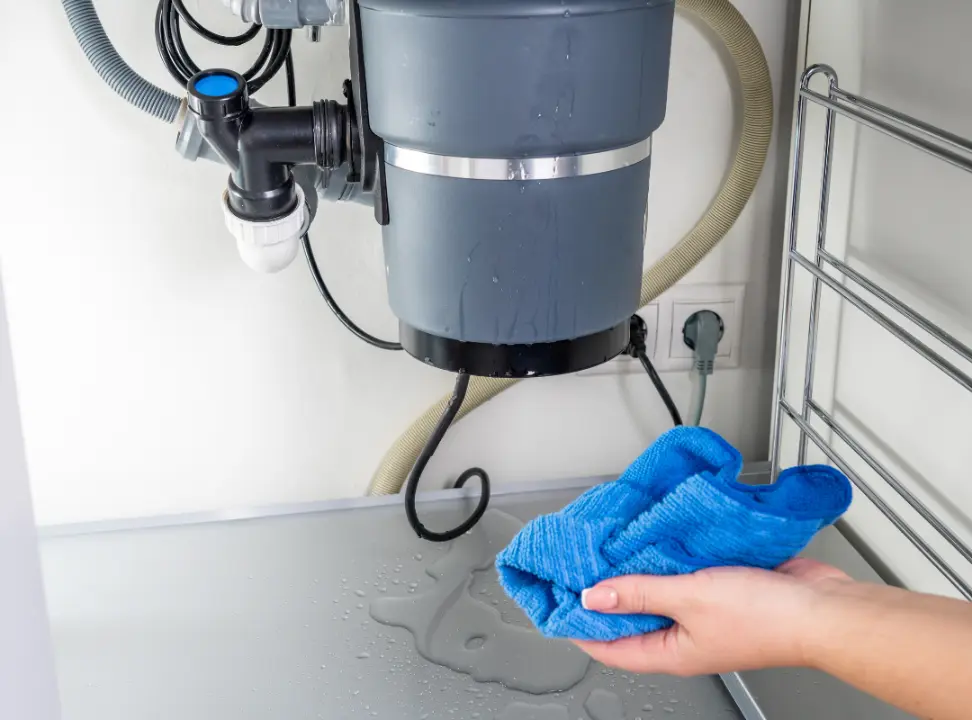
You open the cabinet, and you spot a small puddle under the sink. That’s usually the first warning sign of a leaky garbage disposal.
You might also notice damp smells, mold growing, or even rust forming around the unit. Sometimes the leak starts slowly, so you miss it at first. But over time, water spreads into the cabinet and damages wood, pipes, and connections.
At this stage, your garbage disposal unit already signals trouble. A small leak never stays small for long.
Common Causes Behind a Leaking Garbage Disposal
Now let’s get into the real issue. A garbage disposal leak does not come from a single place. It usually starts from a few weak points.
One common cause is a worn-out rubber gasket or damaged internal seals. These seals stop water from escaping, but age and constant use break them down.
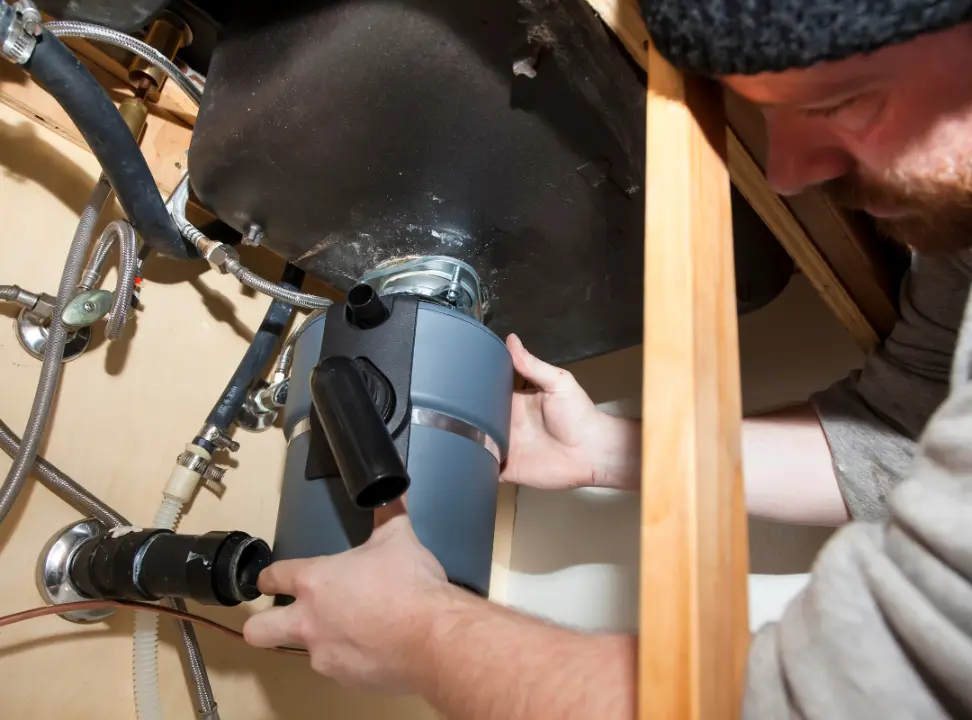
Loose connections also play a big role. If the metal clamp or mounting assembly loosens, water starts slipping through. You might also find loose drain lines where the sink drain connects to the disposal.
In some cases, the disposal body itself cracks due to rust or internal damage. That creates a direct path for water to leak into the cabinet.
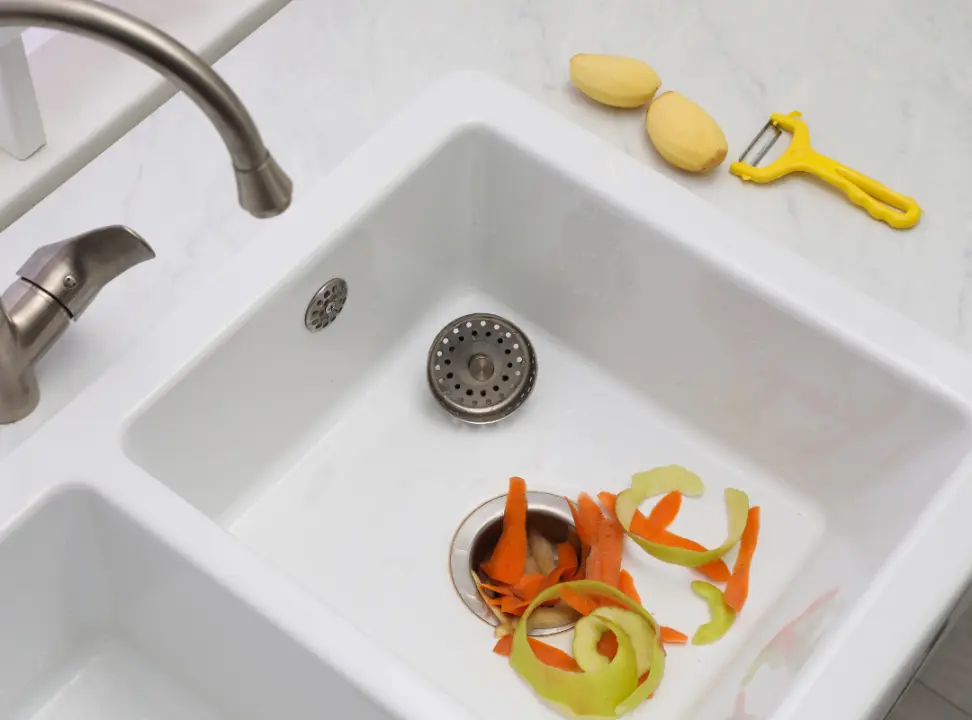
Old usage habits also matter. Tossing hard scraps like apple cores or overloading the unit forces stress on internal parts and shortens the garbage disposal’s lifespan.
Signs You Should Definitely Not Ignore
If your leaky garbage disposal starts humming strangely or stops grinding properly, the internal system may already be under pressure. You might also notice slow drainage in the sink or dishwasher, or backup issues.
In the worst cases, water spreads across the cabinet floor and weakens the structure. That’s when mold starts growing, and you face water damage that becomes expensive to fix.
So yes, even a small leak deserves attention before it turns into a worst-case scenario.
How to Identify the Leak Source?
Here comes the detective work. You need to identify where the leak starts before you fix anything.
First, dry the entire disposal and sink area. Then run cold water and watch closely.
If water drips from the top, check the sink flange and plumber’s putty seal. If it leaks from the side, inspect the dishwasher connection or hose clamps. If it comes from the bottom, the internal seals or housing likely failed.
Also check screws, pipes, and mounting assembly points. A loose connection often hides in plain sight.
This step matters because fixing the wrong area only wastes effort and money.
Fix It or Replace It? Practical Solutions That Work
Now let’s talk about solutions, because that’s what really matters.
If the leak comes from a loose connection, tighten the metal clamp, screws, or drain line fittings. That alone often solves the problem.
If the plumber’s putty dries out, remove the sink flange and reseal it properly. Fresh putty creates a strong waterproof barrier.
When internal seals fail, you can replace the rubber gasket or other sealing parts. This works well if the unit is still in good condition.
But if the disposal shows internal damage, rust, or repeated leaks, replacement becomes the smarter option. A new garbage disposal often saves time, money, and frustration in the long run.
In all repair cases, always cut power at the breaker box first. Electrical safety matters, especially when water sits near wiring.
Simple Steps That Protect Your System
One thing to remember, prevention always costs less than repairs.
Run cold water every time you use the disposal. Cold water helps solidify grease and improves grinding efficiency.
Avoid putting fibrous or hard waste like corn husks or large apple cores into the unit. These strain the blades and seals. Check connections under the sink every few months. A quick inspection can catch future leaks early.
Also, clean the disposal regularly to avoid buildup that leads to corrosion and mold. These small habits extend the life of your garbage disposal unit and reduce repair needs.
Professional Help for When Things Get Complicated
Sometimes the problem goes beyond a simple fix. If leaks continue after tightening and resealing, you likely deal with deeper internal issues.
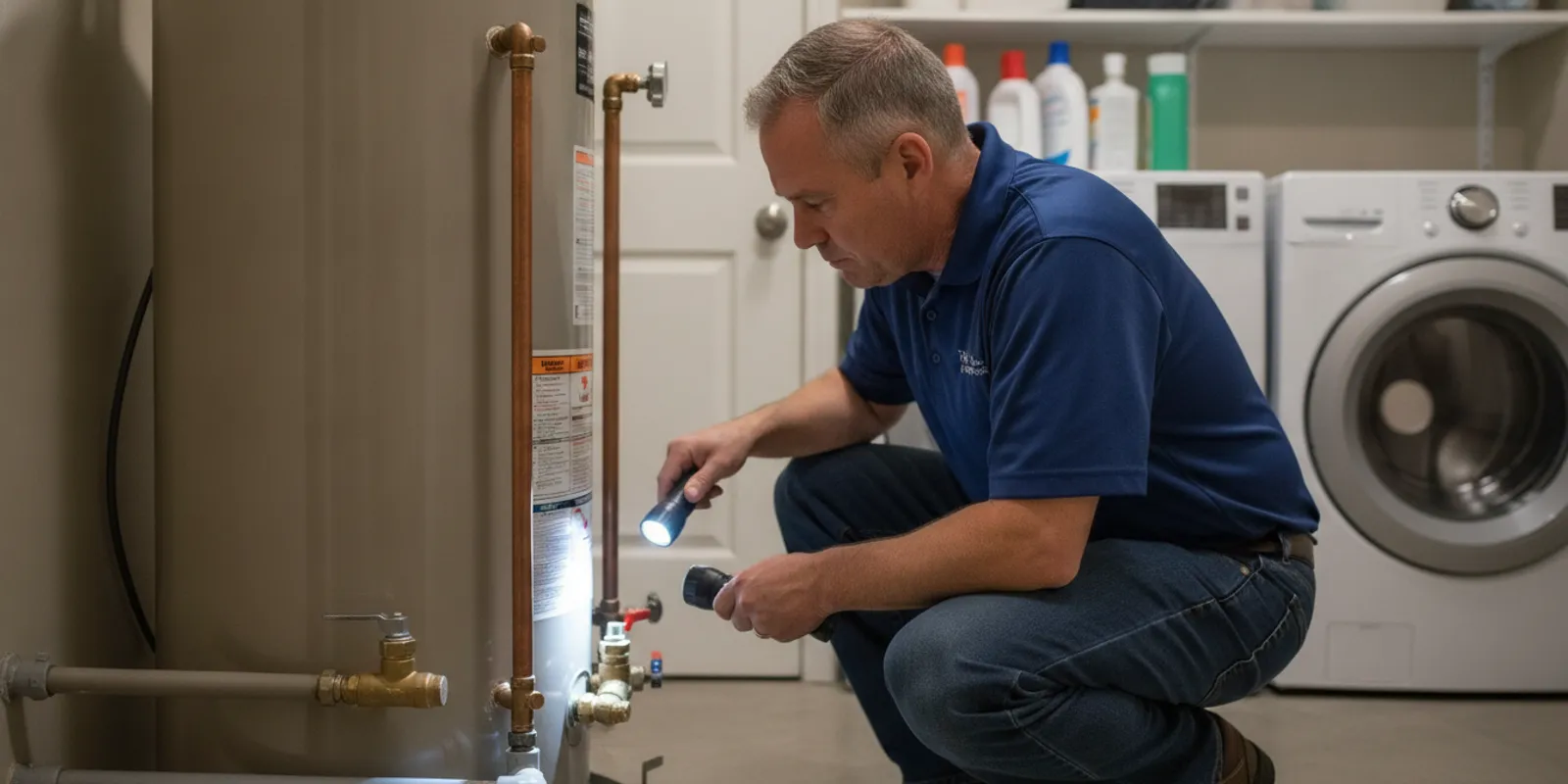
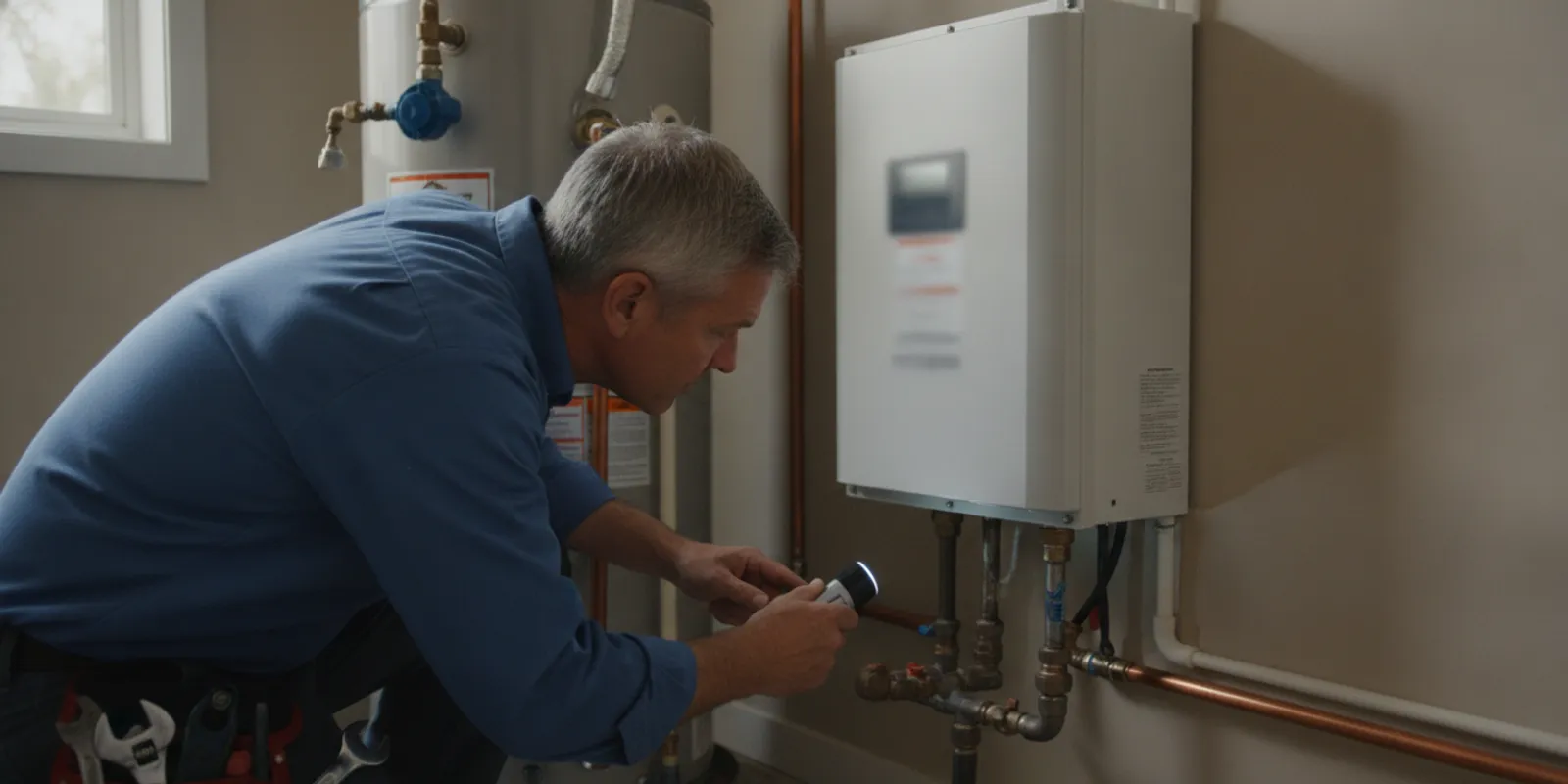
A professional plumber can quickly inspect pipes, connections, and internal components. They also know how to safely handle electrical hazards without risk. When the system reaches its limit, a professional garbage disposal replacement ensures everything runs smoothly again.
Let’s Seal It Here
So here’s the bottom line. A garbage disposal leaking under the sink usually starts small, but it always signals a deeper issue. Whether it’s loose fittings, damaged seals, or internal wear, every leak tells a story. If you act early, you can fix most problems without major expense. But if you delay, you risk cabinet damage, mold growth, and full system failure.
Pay attention, inspect often, and don’t ignore early signs. Your sink system will thank you for it.
Tommie’s Plumbing Fixes Garbage Disposal Leaks
A leaking garbage disposal under the sink is usually caused by worn internal seals, loose mounting assemblies, cracked housings, or drain line connection issues. At Tommie’s Plumbing, we diagnose garbage disposal problems by checking the unit’s seals, mounting ring, and drain connections to identify whether a repair or replacement is needed.
Our team also provides drain cleaning, pipe repairs, faucet services, and full kitchen plumbing maintenance, so related issues in your sink system are handled together. If your disposal is dripping where it shouldn’t, contact us today, and let’s stop the mess before it starts grinding away at your cabinet.