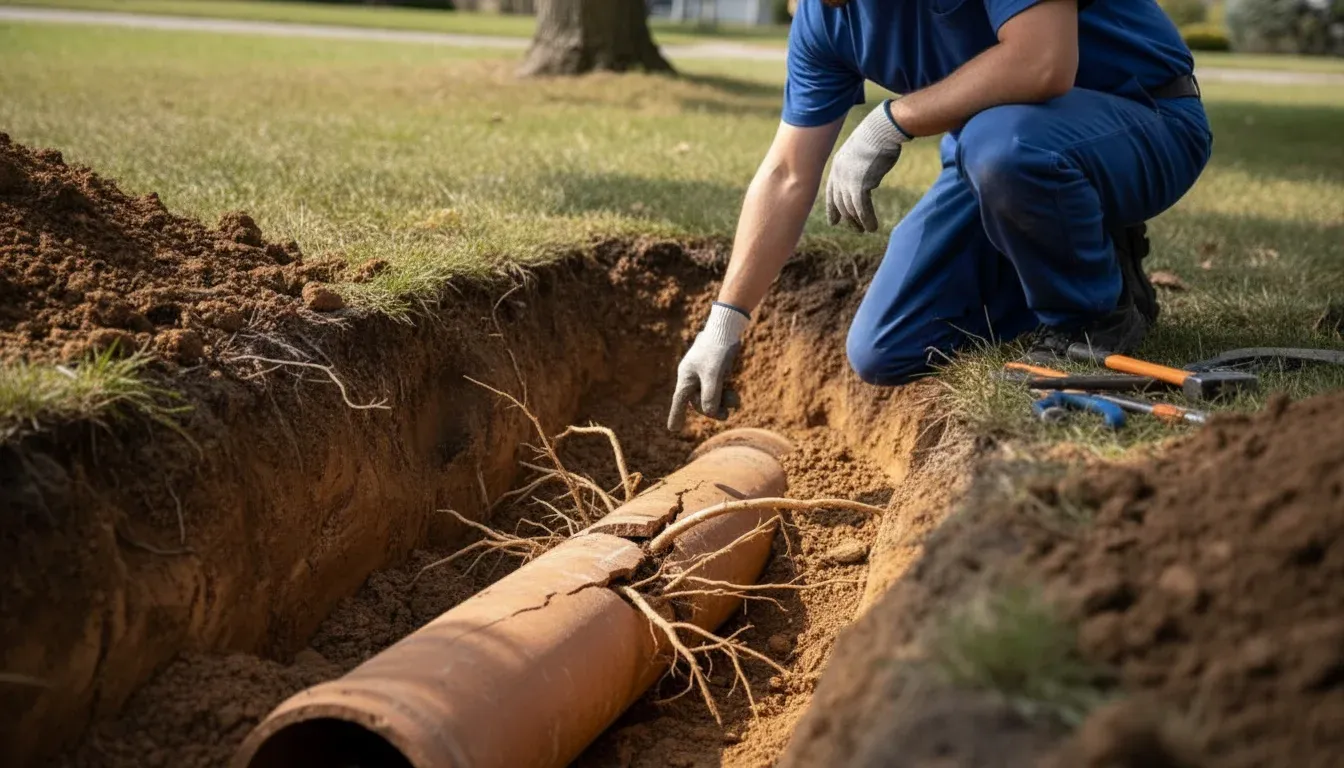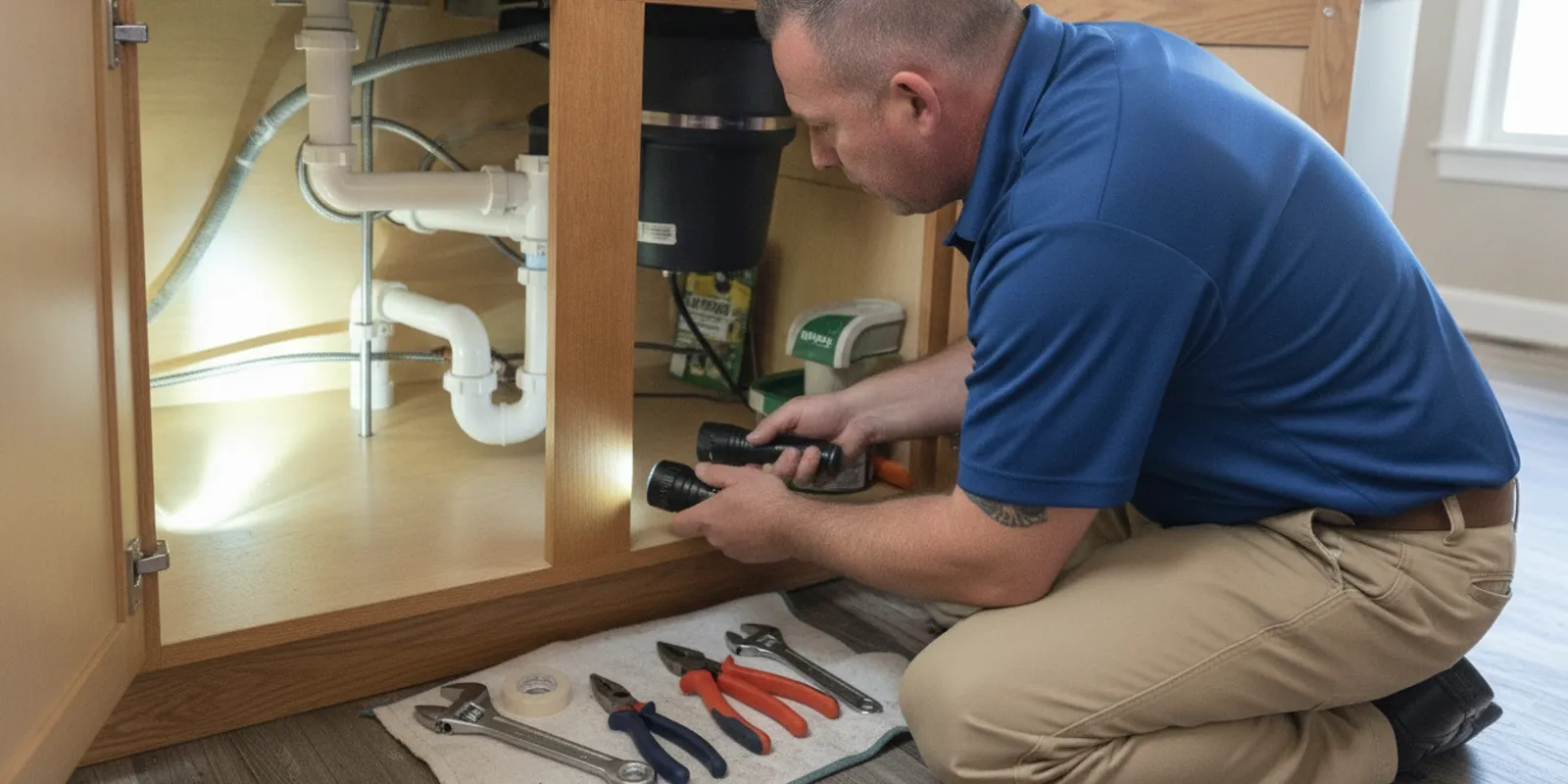
A clogged drain might be emotionally tiring to deal with, but it’s not hard to fix. Clogged drains are one of the most common plumbing issues homeowners face. In fact, nearly 15% of all household plumbing calls are for slow or blocked drains. When still water refuses to move, it’s easy to panic or reach for the nearest bottle of harsh chemicals. But before you do that, there are several safer, more effective ways to clear clogs and restore proper water flow.
Common Culprits Behind a Clogged Drain
Knowing what’s causing a blockage in your drain prevents future clogs. Here is what usually causes the problem:
- Grease: Pouring liquid grease down the drain seems harmless, but it cools and hardens, creating a sticky trap for food debris and dirt.
- Hair and Soap Scum: When hair mixes with sticky soap residue in your bathtub or showers, it forms a dense mat that blocks the drain opening.
- Small, Disposable Objects: From jewelry to bottle caps, small pieces of trash often fall in and get stuck in the U-shaped pipe.
Understanding the common causes of clogged drainage can help homeowners prevent recurring sink and shower drain problems before they become severe. To keep things running smoothly, always use drain screens or a good stopper to catch debris before it enters the plumbing.
Using Boiling Water
Sometimes, the simplest method is the most effective. If your kitchen drain is running slowly due to dried grease or soap scum, boiling water can melt the blockage.
Here’s how to do it:
- Boil a large pot of water on the stove.
- Slowly pour the hot water directly into the drain opening.
- Do this in two or three stages, allowing the hot water to work for a few seconds in between each pour.
Hot water = Melted grease.
It works exceptionally well on minor clogs. However, a quick word of caution: if you have PVC pipes, steer clear of boiling water, as extreme heat can melt or damage the plastic. Instead, use hot tap water.
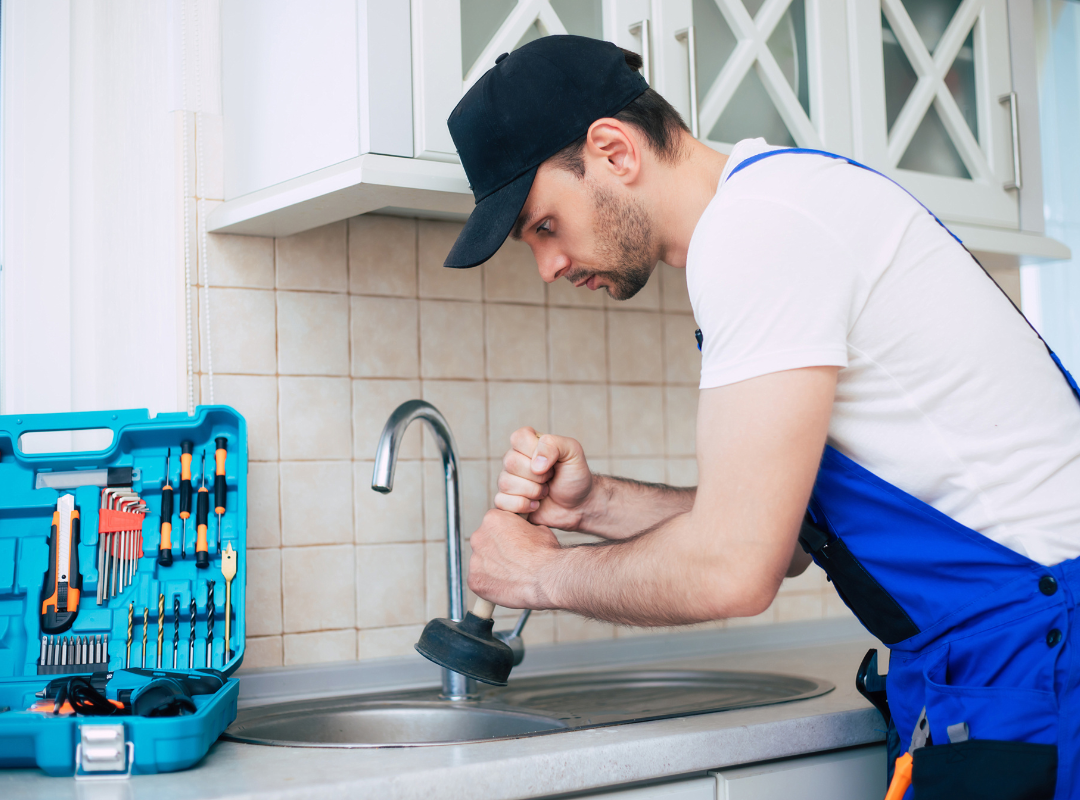
Baking Soda and Vinegar
You probably already have the ingredients for this one in your pantry.
Here is one method that works wonders on moderate clogs:
- Pour half a cup of baking soda directly down the drain.
- Follow it with half a cup of vinegar.
- Cover the drain opening with a plug or cloth to force the chemical reaction downwards.
- Let it sit for about 15 to 30 minutes. You will hear it fizzing and creating bubbles inside the pipes.
- Finally, flush the pipes with hot water.
Why does this work?
Baking soda + Vinegar = A safe chemical reaction.
The pressure from the expanding bubbles helps break and loosen the sludge, while the hot water washes the trash away. You can also add a little salt to the baking soda for extra abrasive power.
However, using baking soda and vinegar typically provides only short-term relief and may not fully clear deeper or recurring clogs. For persistent drainage problems, it is best to hire a professional plumber to properly inspect and clean the line with professional drain-cleaning equipment.
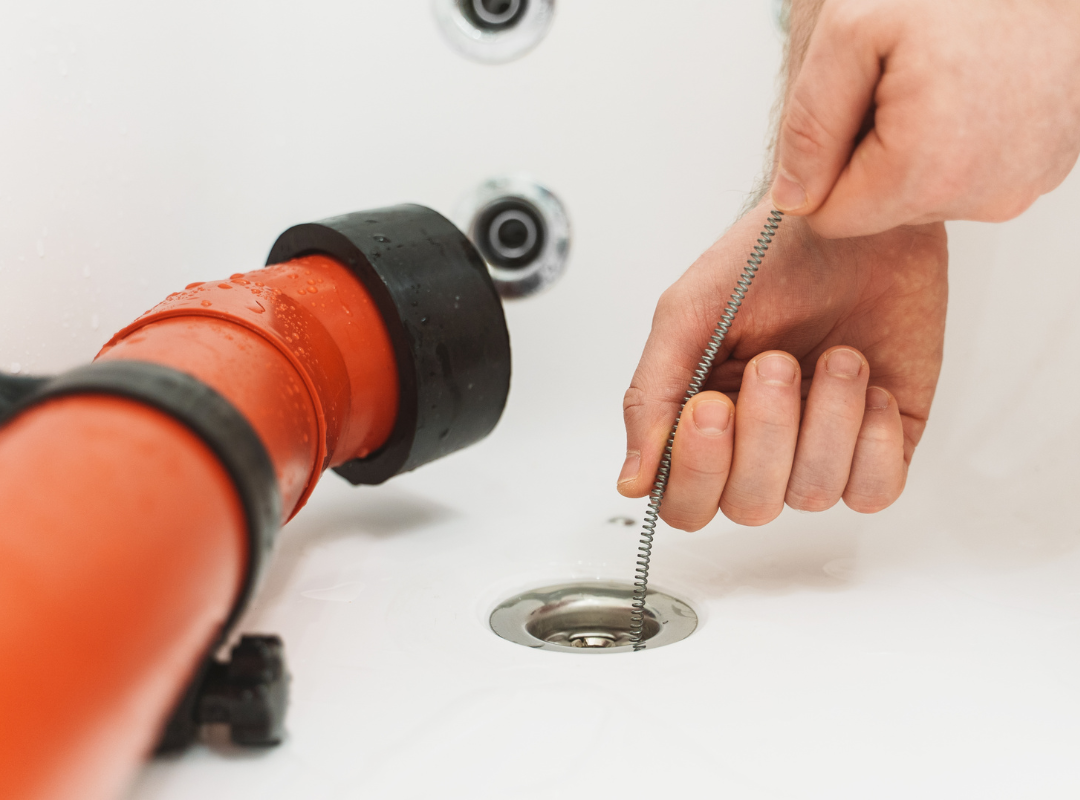
When to Use a Drain Snake for Tough Clogs
If the plunger and natural mixtures fail, the clog is likely lodged deep within the pipes. Here’s what you can do:
- Insert the snake into the drain and slowly push it down until you feel resistance.
- Twist the handle to snag the clog.
- Pull the snake back up to the surface.
A drain snake is particularly effective for shower drains, where hair can get tightly wound and stuck. Drain snakes are the safest way to unclog a drain, unlike harsh chemicals. There are certain dangers of chemical drain cleaners that people are oblivious to, and these chemicals can severely damage pipes and pose safety risks.
Cleaning the P-Trap & Drain Trap
If you’ve tried everything above and the sink is still blocked, the issue is likely in the P-trap (the U-shaped pipe under the sink). This plumbing piece is designed to hold a small amount of water to block sewer gases from entering your home, but it’s also a prime spot for heavy debris to accumulate.
Cleaning the drain trap is straightforward:
- Place a bucket under the p-trap to catch any water or sludge.
- Loosen the slip nuts at both ends of the trap. You can do this by hand, but you might need pliers.
- Remove the trap and clean out the blockage into the bucket.
- Rinse the trap thoroughly and reattach it, making sure not to over-tighten the nuts to avoid leaks.
Regular maintenance practices used to keep sewer lines clean can help prevent buildup throughout your home’s plumbing system.
Final Thoughts
Dealing with a clogged drain doesn’t have to be a nightmare. Proper maintenance, like using drain screens and avoiding dumping grease down the kitchen sink, will keep your plumbing in great condition. But remember, if the water still won’t flow, don’t force it with dangerous chemicals.

Get Professional Help for Tough Sewer Drain Clogs
A clogged main sewer drain is not something most homeowners want to deal with on their own. Slow drains, sewage backups, and foul odors can quickly turn into a bigger plumbing problem if left untreated. That is where Tommie’s Plumbing comes in.
Our local team has over 30 years of experience helping homeowners throughout Greeneville, Jonesborough, and nearby communities with professional drain cleaning and sewer services. Contact us today or visit our office at 1665 East Andrew Johnson Highway, Suite 1, Greeneville, TN. 37745