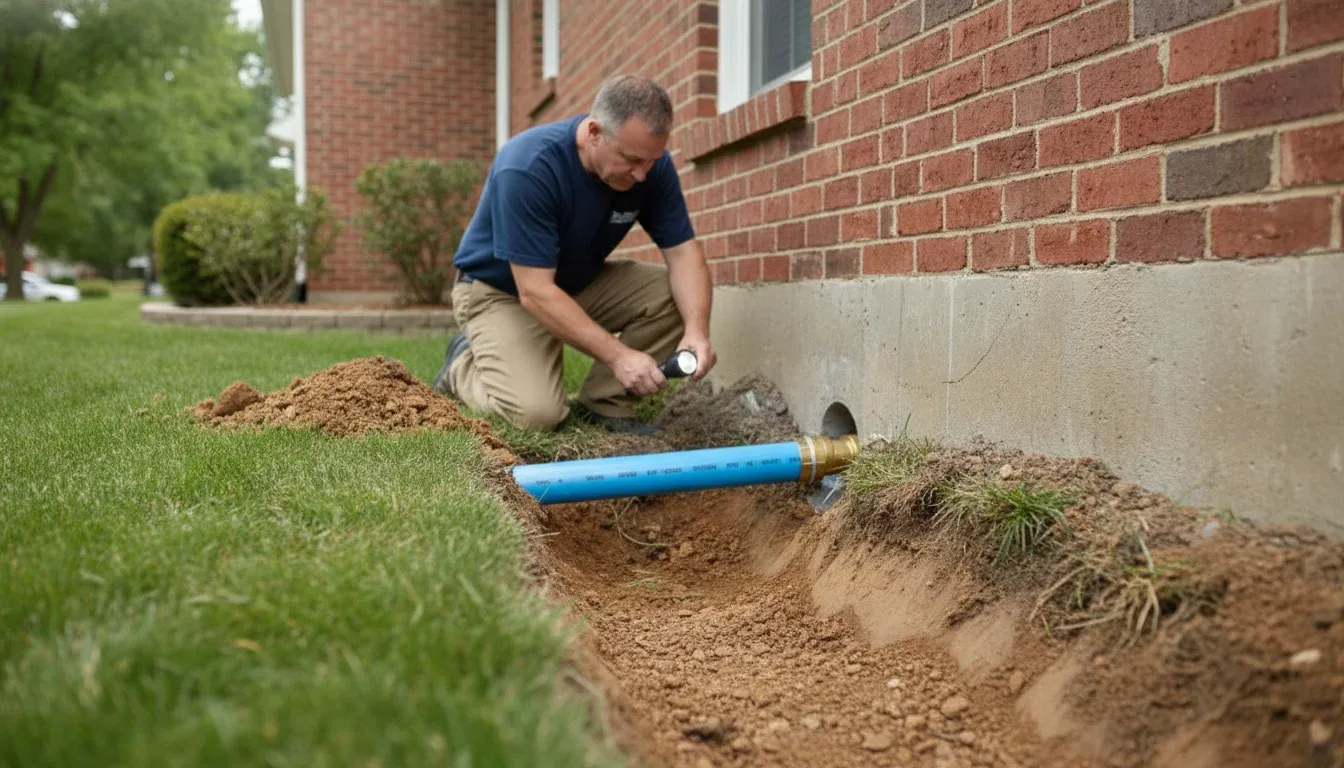


Septic tank repair cost depends on what has failed, how easily a technician can reach it, and whether the visible symptom points to a problem elsewhere in the system. A slow drain or a wet patch in the yard does not reveal the repair by itself, so a useful estimate starts with diagnosis rather than a guessed flat price. Here is what Northeast Tennessee homeowners can consider when comparing an estimate and deciding what to ask next.
Call Tommie’s Plumbing to discuss your plumbing concern
Why septic tank repair estimates vary
“Septic problem” can describe several different conditions. The issue may involve a tank component, a pipe leading to or from the tank, an alarm or pump in a system that uses one, or a downstream area that handles wastewater. Similar symptoms can have different causes, and a component that appears to be the source may not be the only part that needs attention. That is why a responsible estimate is specific about what was inspected and what work is proposed.
In general, the largest cost drivers are:
- The diagnosed failure: A repair to an accessible, identifiable component is a different job from locating an underground pipe problem or investigating symptoms that may involve more than one part of the system.
- Access: The location and depth of the affected component, obstacles above it, and the amount of safe excavation or access work can change the labor and equipment needed.
- Extent of damage: A small, isolated fault may call for a limited repair. Corrosion, a break, repeated backups, or evidence of damage elsewhere can require further evaluation and a broader scope.
- System design and equipment: A gravity-fed system and a system with a pump, alarm, or other mechanical components do not have identical diagnostic steps or replacement parts.
- Follow-up work: Restoring disturbed soil or surfaces, coordinating an additional inspection, or addressing a related plumbing issue may affect the total project scope.
These are general factors, not a price list or a promise that a specific repair is available in every location. Tommie’s Plumbing serves homeowners and others across Northeast Tennessee and describes sewer and septic work among its plumbing offerings. Ask the company whether the particular tank or system issue is within its current service scope. You can also review Tommie’s septic services to understand the company’s related offerings.
Start with the symptom, not a repair guess
Before estimating repair work, note what you have observed and when it began. Useful details include which fixtures are affected, whether the issue happens all the time or only during heavy water use, whether an alarm is sounding, and whether there is a new odor or wet area outdoors. If you have noticed a recent change in household water use or a recent service visit, mention that too. These details can help focus an assessment, but they do not establish the cause on their own.
Slow drains or recurring backups
A slow fixture can result from a local drain obstruction, a building drain issue, or a problem farther along the system. If one sink is slow while other plumbing works normally, the cause may be different from a situation where several fixtures back up together. Repeated sewage backups or wastewater coming up through a floor drain deserve prompt attention. Avoid treating chemical drain products or repeated plunging as a septic repair plan; they may not address a system-level issue and can create other problems.
For a related explanation of how a blockage can be investigated, see Tommie’s guide to common sources of sewer-line clogs. A sewer-line issue and a septic tank issue are not interchangeable diagnoses, but understanding the difference can help you describe what is happening when you request service.
Odors, unusually wet ground, or alarms
An odor or damp patch near system components can have multiple explanations and should not be used to pinpoint a failed part. An alarm may indicate that a system needs attention, especially where pumping equipment is present, but the alarm itself does not say which component has failed. Share where the sign appears and whether it changes after water use. Avoid opening or entering a tank to investigate. Septic tanks can contain hazardous gases and present serious physical dangers; keep people and pets away from exposed openings and leave inspection to qualified professionals.
Which repair factors may affect the estimate?
1. The component and repair method
The estimate should name the component believed to be faulty and explain the planned repair in plain language. Depending on the system and findings, the problem could relate to an access cover, a pipe connection, an inlet or outlet component, a pump, a float, or an alarm. These examples do not mean each item is a likely cause or that a repair can be chosen before inspection. The appropriate work depends on the actual system, the condition of the part, and the technician’s findings.
Ask whether the proposed work corrects a confirmed failure or is an initial diagnostic step. If a part is being replaced, ask what evidence indicates it has failed and whether the work includes checking the connected components. This helps distinguish a targeted repair from a broader investigation.
2. How the technician can reach the problem
Access conditions influence labor. A component may be readily visible at an accessible inspection point, or it may be buried beneath soil, landscaping, a walkway, or another obstruction. The depth and location can affect how much excavation is required and whether extra equipment is needed. Before work begins, ask what areas may be disturbed, who is responsible for restoring them, and whether restoration is included in the written scope.
Do not uncover, enter, or attempt to repair a tank yourself to save on the estimate. Besides the hazards, unplanned digging can damage buried lines or make it harder to determine where the fault is. If you know the approximate location of the tank or have a system plan, share that information with the service provider.
3. Whether the symptom involves one part or a larger system issue
Some symptoms point to a repair that can be isolated; others call for a wider assessment. For example, a recurring backup may require checking more than the fixture where wastewater appears. A wet area could call for investigation of the tank, a connecting pipe, or another portion of the wastewater system. If the cause is not yet confirmed, a careful estimate may separate diagnostic work from a later repair proposal rather than assume one fix will solve everything.
Ask what is known, what remains uncertain, and what findings would change the recommended work. This is especially useful when a provider proposes several steps. You should be able to understand which work is necessary now, which is contingent on inspection results, and whether approval will be requested before the scope or cost changes.
4. Mechanical equipment and electrical concerns
Some septic systems use a pump or alarm, while others rely on gravity. If your system has an alarm, note when it sounds and whether it stays on. Avoid opening electrical equipment, disconnecting components, or repeatedly resetting an alarm unless the system’s instructions specifically direct you to do so. An electrical or mechanical diagnosis may involve different parts and labor than a repair to a simple pipe connection. Ask the technician to identify any equipment-related findings and explain whether the quote includes parts, testing, and verification after the repair.
5. Related plumbing or property work
A septic concern can occur alongside an indoor plumbing problem, but the two may need separate diagnoses. If several fixtures are affected, tell the service provider which ones and whether the issue is limited to one bathroom, one level, or the whole home. If digging or surface restoration is involved, clarify the boundaries of the plumbing work and any work that would be handled by another contractor. A written estimate should make clear whether a quoted amount covers diagnosis only, the specified repair, or additional work.
Repair work is different from routine tank service
Homeowners sometimes use “service,” “pumping,” and “repair” as if they mean the same job, but they describe different work. A routine service visit or tank pumping does not, by itself, confirm that a damaged component has been repaired. Likewise, an odor or backup should not automatically be treated as a request for pumping alone. Explain the symptom when you call and ask the provider to clarify whether the recommended visit is for diagnosis, routine service, a specific repair, or some combination. If a provider recommends one step first, ask what question that step is intended to answer and what findings would lead to a separate repair estimate. This keeps the work tied to the condition actually found instead of assuming that one service will resolve every septic concern.
There can also be a difference between a repair price and the full amount involved in getting a problem resolved. The repair estimate may cover the failed part but not excavation, surface restoration, or investigation of a separate symptom. Alternatively, the first visit may be diagnostic and not include repairs. Ask for those boundaries up front. A clear written scope reduces surprises and makes it easier to compare estimates on equivalent work.
How to prepare for an accurate estimate
A little preparation can make the conversation more productive without trying to diagnose the system yourself:
- Write down the timeline. Note when the first symptom appeared, whether it is worsening, and whether it comes and goes.
- Identify affected areas. List the fixtures involved and any outdoor signs, such as an odor, standing water, or a change in the yard.
- Describe system clues. Mention any alarm, pump, recent service, or known system information. Do not guess if you do not know.
- Keep people clear of hazards. Avoid contact with wastewater and keep children and pets away from exposed or unsafe areas.
- Ask about the scope. Request a written description of the finding, proposed repair, parts and labor included, exclusions, and how additional work will be approved.
If symptoms include sewage backing up into the home, stop using water where practical and seek professional guidance promptly. Do not assume that a quick drain-clearing step will resolve a septic system problem. For other urgent plumbing situations, Tommie’s article on what to do first during a plumbing emergency offers related preparation guidance.
Questions to ask before approving the work
When you receive an estimate, these questions can help you understand what you are paying for without relying on a generic online average:
- What component or condition did the inspection identify?
- Is the cause confirmed, or is the quoted work an initial diagnostic step?
- What repair is included, and what parts, labor, testing, or cleanup are not included?
- Will any excavation or surface restoration be needed, and who handles it?
- Could additional work be recommended after the area is opened or equipment is tested?
- Will the company contact me for approval before performing work outside the estimate?
- Are there safety precautions I should follow while waiting for service?
For comparison, ask each provider to describe the same scope. One estimate may cover a diagnostic visit while another covers a defined repair, so comparing only the total can be misleading. Confirm whether taxes, disposal, testing, or restoration are included where applicable, and ask for the terms in writing. The goal is not to select the cheapest number without context; it is to understand the proposed work and decide whether it addresses the diagnosed issue.
Why online averages can mislead
Published cost ranges often combine different locations, system designs, access conditions, and repair scopes. A number for a pump component, for example, cannot automatically stand in for a buried pipe repair or an investigation of recurring backups. Even estimates that appear to describe the same repair may exclude different items. Without a diagnosis and a defined scope, an online figure should be treated as background information, not a quote for your property.
Tommie’s Plumbing does not publish a septic tank repair price in the information provided here, and this article does not assign a local average or guaranteed price. The most useful next step is to describe the symptom, arrange an assessment if the issue warrants one, and request an itemized explanation of the proposed work. If the concern falls outside the company’s service scope, ask who is the appropriate type of provider to contact.
Call (423) 638-3662 to talk through your plumbing concern
Frequently asked questions
Can I get a septic tank repair estimate from the symptom alone?
A symptom can help identify what needs to be checked, but it usually cannot confirm which component failed or how accessible it is. A provider may be able to explain the next diagnostic step, but a job-specific repair estimate depends on the findings and scope.
Does a slow drain always mean the septic tank needs repair?
No. A slow drain can have a local cause, a building drain issue, or a problem farther along the system. Multiple affected fixtures or recurring backups are useful details to report, but an inspection is needed to determine the source.
Should I open the septic tank to check for a problem?
No. Do not enter a tank or investigate through an unsafe opening. Septic tanks can contain hazardous gases and create serious fall and entrapment risks. Keep people away and have the system assessed by an appropriate professional.
What should a written septic repair estimate include?
It should identify the observed condition, the proposed work, what parts and labor are included, any exclusions or access/restoration work, and how additional repairs will be approved. If the cause is still uncertain, the estimate should explain what diagnostic step is being quoted.
Does Tommie’s Plumbing publish a standard septic tank repair price?
No standard septic tank repair price is provided in this article. Costs depend on the diagnosed issue and conditions at the property. Contact the company to discuss whether your specific concern is within its service scope and what assessment is appropriate.