

If you are comparing water heater flush cost, the amount depends on more than the time needed to drain a tank. The heater type, its condition, access, sediment buildup, and what a plumber finds during the visit can all affect the work. A flush is maintenance, not a guaranteed repair, so it helps to understand what the service includes and what questions to ask before scheduling.
Contact Tommie’s Plumbing to discuss your water heater
What affects water heater flush cost?
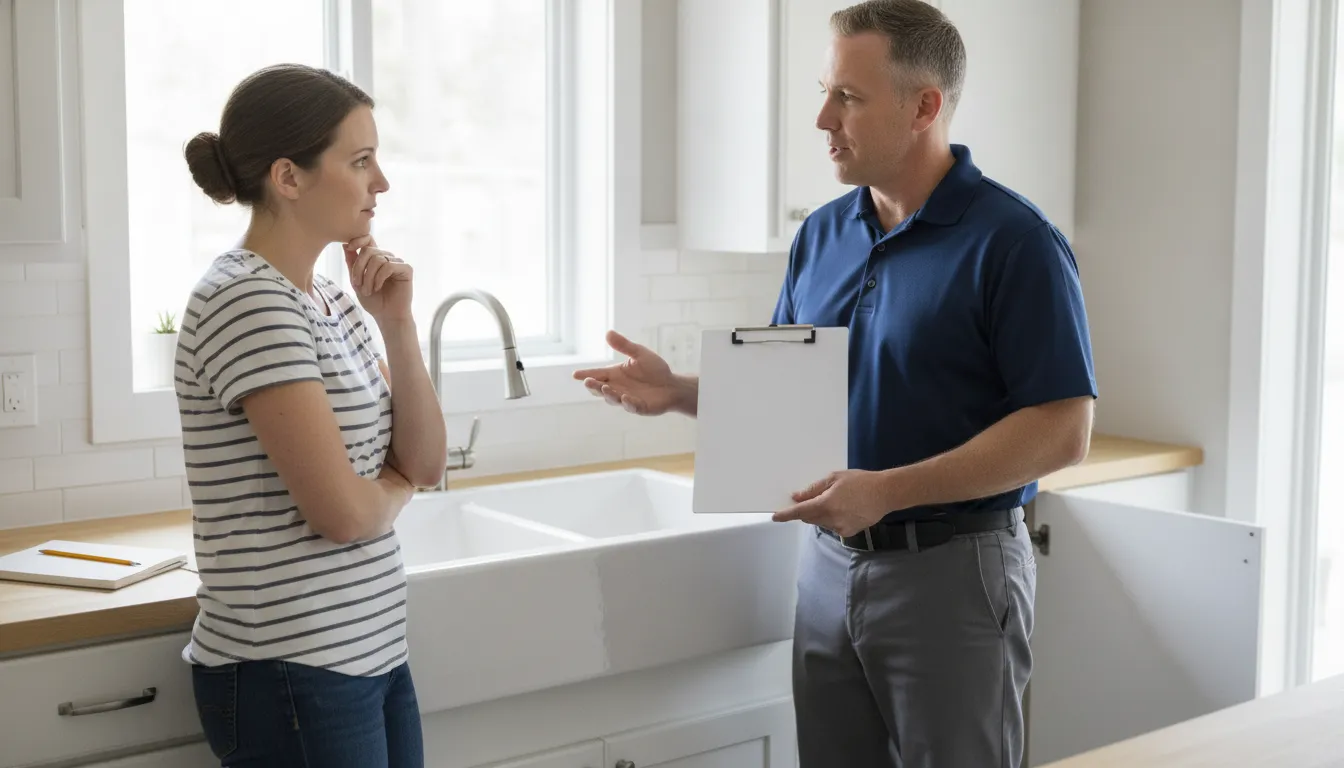
There is no single price that applies to every home. A useful estimate should reflect the heater and the actual work planned, rather than assume every flush is identical. Before approving service, ask what is included, whether any additional work would be discussed separately, and how the estimate is determined. Tommie’s Plumbing provides on-site estimates with options, according to its published FAQ; the final recommendation depends on the situation at your home.
Several practical factors can influence the scope of a flush:
- Heater type and design. A conventional tank heater and a tankless unit have different components and maintenance procedures. A tankless unit may need attention to its heat exchanger and manufacturer-specified maintenance steps rather than a tank-draining procedure. See the company’s information about tankless water heaters when considering which kind of system you have.
- Condition and sediment. A unit with a history of regular maintenance may present a different job from one that has gone a long time without service or has a heavy sediment layer. A technician needs to assess what is safe and appropriate; the amount of buildup is not always obvious from outside the heater.
- Access and setup. The location of the heater, the condition of nearby shutoff valves, drainage options, and working space can affect how a professional carries out the visit. Restricted access or a valve that will not operate as expected can change the work involved.
- Additional concerns discovered. A leak, unusual noise, inconsistent hot water, or a faulty component may need evaluation beyond routine flushing. Those conditions should be explained as separate findings, not silently treated as part of a basic maintenance task.
- Service terms and appointment details. Ask whether the estimate covers only flushing or includes inspection and any other specified steps. Confirm whether a visit fee applies and whether it is credited toward approved work. Do not assume a fee or promotion applies unless the company confirms the current terms.
These are factors to discuss, not a price list. A responsible estimate should spell out the planned service and identify any uncertainty. If a professional finds that the heater needs repair, ask what evidence supports that recommendation and whether the unit can be flushed safely before deciding on additional work.
It can help to separate the estimate into the requested maintenance and any optional follow-up. For example, a plumber might first describe the proposed flush, then explain a separate concern such as a leaking connection or a valve that does not operate correctly. Ask which finding changes the service, whether the work can proceed as requested, and what each option costs. Clear itemization makes it easier to decide without confusing routine upkeep with repair.
Also clarify what happens if the technician arrives and finds that the heater is not suitable for the planned procedure. The estimate may depend on being able to isolate the system or use an existing drain connection safely. Ask whether you would be charged for a visit or assessment if the flush cannot be completed, and whether that amount differs from the maintenance quote. The company should confirm its current terms; do not infer them from another homeowner’s experience.
What does a water heater flush include?
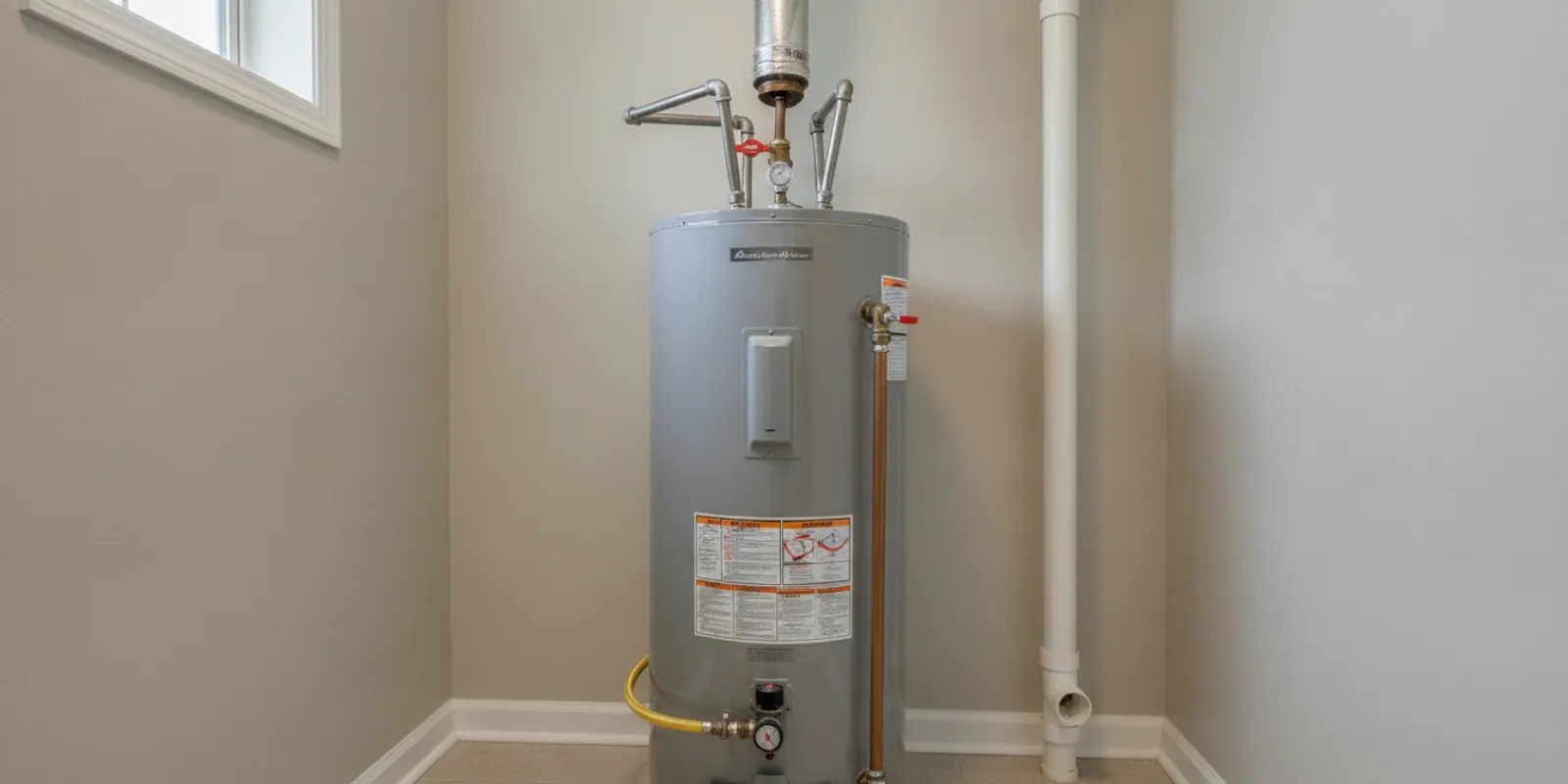
For a conventional storage-tank heater, flushing generally means draining water from the tank to help remove loose sediment that has collected at the bottom. The exact steps vary by heater and conditions. A trained professional may review the heater’s type and condition, isolate the appropriate water and energy supplies, connect a drain hose, manage the discharge, and restore the system according to the manufacturer’s instructions and applicable safety practices.
A flush is not the same as replacing a part, repairing a leak, or replacing the whole heater. It also cannot guarantee that every deposit will come out or that an existing problem will disappear. If sediment has hardened, a valve is damaged, or the tank itself is deteriorating, the professional may need to explain other options. The scope and any added work should be clear before it proceeds.
Tankless systems require a different approach. Their maintenance may involve flushing the heat exchanger using a procedure specified for that equipment. A conventional tank flush description should not be applied to every tankless model. Check the owner’s manual or ask a plumber to identify the system and explain the correct service. For broader guidance on heater upkeep, review the company’s water heater maintenance checklist.
In either case, the point of a service visit is not just to open a drain valve. It is to determine what the system needs, carry out appropriate work, and let you know if the inspection reveals a separate concern. Ask the plumber to describe the proposed steps in plain language, especially if the heater is older, has not been serviced for a long time, or is already showing symptoms.
A homeowner can ask what observations will be checked before service begins. The plumber may need to identify the model, review visible connections, and consider the condition of accessible valves and the area around the heater. That does not mean every flush includes a full diagnostic inspection or every component test; the scope should be confirmed. If you want an inspection in addition to maintenance, ask whether it is included or separately priced.
It is reasonable to ask how the work will be carried out and what you should expect while the system is unavailable. The answer may depend on heater design and the job. Do not assume that a particular drain duration, water volume, or result can be promised before the unit is assessed. A professional can explain the expected sequence for your equipment and tell you if a condition changes the plan.
Why can heater condition change the estimate?
Age and maintenance history can affect what a plumber can reasonably do. A heater that has operated normally and had routine attention may be straightforward to assess. With a neglected or failing unit, valves may be difficult to operate, sediment may be substantial, or signs of corrosion may call for more careful evaluation. The service provider should explain how those conditions affect the work before proceeding.
A flush is intended to remove loose material, not to restore a worn-out tank. If a tank is leaking, flushing will not seal it. If hot water runs out quickly, the cause could involve sediment, a heating component, household demand, or another issue. The symptom alone does not prove that flushing will solve it. A diagnosis matters because treating the wrong cause can add cost without resolving the underlying problem.
Tell the plumber what you have observed: when the symptom began, whether it is constant or intermittent, whether the water temperature changes, and whether there are sounds or visible moisture around the heater. Mention any previous repairs or maintenance if you know them. This context can help the plumber decide whether the request sounds like routine maintenance or needs a closer look.
If you see water leaking from the tank body, a persistent pool of water, or signs of electrical or fuel-related trouble, do not treat a flush as a substitute for assessment. Avoid touching hot pipes, electrical components, or unfamiliar valves. If you are unsure how to make the area safe, keep clear and contact a qualified plumbing professional. A prompt evaluation can clarify whether the issue involves a connection, a valve, or the heater itself.
How can you compare estimates for a heater flush?
Comparing quotes is easier when each one describes the same scope. One provider may quote a basic maintenance procedure, while another may include an inspection or work on a different type of heater. Ask each provider to identify the unit and explain what the quoted service includes. A lower starting amount is not necessarily a like-for-like comparison if the scope, access, or exclusions differ.
Use these questions to clarify an estimate:
- Is the quote for a conventional tank or a tankless heater, and has the unit been identified correctly?
- What specific work is included in the flush or maintenance visit?
- Does the estimate include an inspection, or is that a separate service?
- Are there conditions that could change the amount, such as difficult access, a stuck valve, or a concern found during the visit?
- Will the plumber explain any additional repair recommendation and its price before starting that work?
- Are parts, cleanup, or other services included, excluded, or dependent on findings?
- What should you do if the unit cannot be flushed safely or the procedure does not address the symptom?
Ask for answers in writing when possible, especially if the estimate includes several items. You should be able to distinguish routine maintenance from a repair or replacement proposal. If you are considering broader work, you can also ask about water heater installation options, but a flush estimate alone does not determine whether replacement is appropriate.
Do not rely on a general online average as a promise of what a local service call will cost. Labor practices, equipment, access, and the condition of the heater differ. A quote from a plumber who has considered your actual setup is more useful than a figure that leaves out the work included or conditions that could change it.
When you call for estimates, give each provider the same basic information: whether the unit is a tank or tankless model, its approximate age if known, the reason you want service, and any visible issue. Explain whether the heater is in a crowded closet, basement, garage, or another location that could affect access. You do not need to diagnose the problem yourself. A concise, accurate description helps the provider tell you whether they can give a preliminary estimate or need to inspect the system first.
Compare not only the amount but also the clarity of the conversation. Does the provider identify what is included? Are possible added costs described as possibilities rather than treated as already approved? Can you get an explanation of any recommended repair? Those details matter because an inexpensive quote with a very limited scope may not answer the same need as a more complete estimate. Ask follow-up questions before scheduling if the difference is unclear.
How often should a water heater be flushed?
There is not one interval that suits every heater and household. Recommendations may vary with the equipment manufacturer, local water conditions, usage, and the unit’s maintenance history. Check the manual for your specific model and ask a plumber what schedule is suitable for the home. If you are arranging service after a long gap, explain that history before the visit rather than assume the routine procedure is appropriate.
Regular maintenance can help a professional notice developing concerns, but it does not guarantee a longer heater life or prevent every breakdown. Follow the manufacturer’s directions, and do not attempt a procedure simply because a generic online guide gives a particular schedule. If your heater has unusual symptoms, ask whether it should be inspected before routine flushing.
Household use is another reason to ask for advice specific to the equipment rather than copy a schedule from a different home. The number of people using hot water, the heater model, and its maintenance record can all be relevant to a conversation about upkeep. These details do not produce a reliable cost by themselves, but they can help a plumber understand the context and explain whether a routine flush is the appropriate request.
If you are planning ahead, arrange maintenance when you have time to discuss the estimate and any findings rather than waiting until a symptom becomes disruptive. If the water heater is already leaking or not providing hot water, describe that clearly when requesting help; the appointment may need to focus on assessment and repair rather than routine flushing. Distinguishing preventive maintenance from troubleshooting helps set expectations about both the work and the estimate.
Some homeowners consider flushing a do-it-yourself task. However, water from a heater can be very hot, and an improper sequence can create burn, leak, or equipment risks. Working around gas or electrical connections adds further hazards. If you do not know how to shut down and restore your specific unit safely, leave the work to a qualified professional. Do not force a valve that is stuck or corroded.
What should you expect during the appointment?
Before the visit, locate the heater if it is safe to do so and clear ordinary household items from the immediate area. Do not move a connected appliance or attempt to disconnect pipes. Note the manufacturer and model if they are easy to read, and share the date of the last known service. If you have a symptom, describe when it occurs and what changes you have noticed.
At the appointment, the plumber should confirm the heater type and discuss the requested service. You can ask what the estimate covers and whether the visit may reveal separate repairs. If the recommendation changes after inspection, ask what was found, why the plan needs to change, and what the new amount covers. You should have a chance to understand and approve additional work before it begins.
After the service, ask what was completed and whether the plumber noticed any condition that needs follow-up. If the original concern remains, make that clear before the visit ends. Get practical guidance about what to watch for and when to request another assessment. Good communication helps you understand both the maintenance completed and the limits of what it can accomplish.
You can also ask whether the system was returned to its normal operating condition and whether there are any instructions to follow afterward. If the plumber identifies a leak or other issue, ask where it is, what signs would indicate it is getting worse, and how soon it should be addressed. Request a written description of recommended work when appropriate. These simple details help you keep track of maintenance and make a considered decision later rather than relying on memory.
If you rent, own a property with more than one heater, or share responsibility for maintenance with another household member, make sure the person authorizing work has the estimate and understands the scope. For a homeowner arranging service, note the appointment details and keep any service record with the appliance information. A record of what was done can be useful when another question comes up, even though it does not replace following the manufacturer’s instructions.
Tommie’s Plumbing serves homeowners across Northeast Tennessee, including communities in the Tri-Cities area. You can review its service areas or learn more about the company’s plumbing work before requesting an estimate. Its published information describes on-site estimates with options; ask the team to confirm the current scope and terms for your particular heater.
When is a flush not the right next step?
Flushing may not be the first priority when the heater is actively leaking, cannot be safely isolated, or shows signs of a more serious mechanical or electrical problem. Nor is it a guaranteed fix for discolored water, low hot-water supply, temperature swings, or noise. Those observations can have different causes, so they warrant an assessment rather than an assumption that sediment is the only issue.
Likewise, do not approve replacement solely because someone says a flush is impossible without asking why. There may be circumstances in which further work is not advisable, but the explanation should connect the recommendation to the heater’s condition. Ask what alternatives are reasonable, what risks come with delaying, and whether repair or replacement is being recommended. If you need to compare possibilities, the company’s frequently asked questions page explains how its estimates are presented.
For a leak or other urgent concern, describe what is happening when you contact a plumber and follow any immediate safety advice you receive. Do not attempt to drain a hot or pressurized system as a way to diagnose it. The right next step depends on the specific equipment and the observed condition.
What should you do before scheduling?
Start by identifying whether you have a storage tank or tankless system and writing down the symptom or reason for maintenance. Gather the model information and any known service history, but do not handle hot, powered, or fuel-connected parts. Then request an estimate that names the planned work, asks about potential extra charges, and clarifies how separate findings will be handled.
For homeowners in Greeneville, Johnson City, Kingsport, Bristol, and nearby Northeast Tennessee communities, a local plumbing professional can help assess the particular heater and explain suitable next steps. Tommie’s Plumbing handles water heater and tankless heater work as part of its plumbing services. You can review its plumbing services and contact the team to discuss what you have noticed.
Request an estimate for your water heater
Frequently asked questions
How much does a water heater flush cost?
The cost varies with the heater type, its condition, access, and the scope of the visit. No single amount applies to every home. Ask for an estimate based on your equipment and confirm what it includes before approving service.
Does flushing a water heater fix every hot-water problem?
No. Flushing can remove some loose sediment from a storage tank, but it does not repair leaks or failed components, and it may not resolve a symptom with another cause. A plumber can assess the heater and explain whether maintenance or another service is appropriate.
Is a tankless water heater flushed the same way as a tank heater?
No. Tankless heaters have different components and manufacturer-specific maintenance procedures. Identify the model and ask a professional to explain the recommended procedure instead of applying a storage-tank method.
Can I flush my water heater myself?
Some owners may follow the instructions for their specific equipment, but hot water, pressurized plumbing, and gas or electrical connections can pose hazards. If you are uncertain about safe shutdown, valve operation, or restoring the system, do not proceed; contact a qualified professional.
What should I ask before approving a flush?
Confirm the heater type, exact work included, whether inspection or a visit fee is separate, and what could change the estimate. Ask that any additional repair be explained and priced before it begins. A clear scope helps you compare estimates and understand what the service can and cannot address.
A clear estimate starts with the details of your actual heater, not a one-size-fits-all number. Share what you have observed, ask what the proposed service includes, and choose the next step only after you understand the scope.