Does homeowners insurance cover sewer line replacement? Sometimes, but there is no answer that applies to every home or every policy. Coverage can depend on what caused the damage, where the damaged pipe is located, which exclusions apply, and whether the policy includes a service line or sewer backup endorsement. If a sewer problem is developing at your Northeast Tennessee home, a plumber can help document the condition and explain the plumbing work that may be needed, but your insurance company must interpret your policy and decide whether a claim is covered.
Call (423) 638-3662 to discuss a sewer line evaluation
What does homeowners insurance usually consider?
Homeowners insurance is a contract between you and your insurer. The policy describes covered causes of loss, exclusions, limits, deductibles, conditions, and the steps you must follow after damage occurs. That means the same visible sewer problem could lead to different coverage decisions for two homeowners whose policies are not identical.
When a sewer line fails, the key question is usually not simply whether the pipe needs replacement. The insurer may also ask what caused the failure, whether the cause was sudden or gradual, whether the damaged section is on the property or in a public area, and whether a specific endorsement changes the base policy. A plumbing inspection can help establish facts, but it does not replace the insurer’s coverage review.
Read the declarations page and the relevant policy sections, then contact your insurer or agent with questions about your own policy. Ask what documentation is required, whether the insurer wants to inspect before repairs, and how your deductible and coverage limits would apply. Do not rely on a general online article, a neighbor’s experience, or an assumption about what a standard policy includes.
When might a policy help with sewer line damage?
Some policies may provide coverage when a sewer line is damaged by a cause the policy specifically covers. The details vary, but homeowners often need to distinguish between a covered event and a pipe that has simply reached the end of its useful life. An insurer may look for evidence that the damage resulted from a sudden, accidental event rather than ordinary deterioration or a long-term maintenance condition.
For example, a policy may address certain damage caused by a covered peril while excluding damage caused by age, corrosion, settling, root intrusion, or repeated neglect. This is not a promise that any particular cause will be covered or excluded. Policy language and the facts of the loss control the decision. If you are unsure how your policy treats a specific cause, ask the insurer to explain the applicable provision in writing.
It is also important to separate the cost of repairing the failed sewer line from other losses. A policy could treat the pipe itself, excavation, cleanup, damage to the home, and damage to personal property differently. A sewer backup endorsement may address certain interior water or wastewater damage, but it may not automatically cover the exterior underground service line that caused the backup. Another policy may offer a service line endorsement that changes that analysis.
Why a service line endorsement may matter
A service line endorsement is an optional policy feature that may provide coverage for certain underground utility lines serving the insured property. Depending on the insurer and the wording, the covered lines may include a sewer or drain line. The endorsement may have its own covered causes of loss, exclusions, deductible, limits, and restoration provisions.
Do not assume that having a service line endorsement means every sewer line replacement will be covered. The endorsement may require the line to meet a definition in the policy, may exclude particular causes, or may limit how landscaping, excavation, inspection, or related repairs are handled. Some policies may also distinguish between a private line serving one property and a shared or public line.
If you are reviewing coverage before a problem occurs, ask your agent whether your policy includes service line protection and whether the sewer lateral is within the described coverage. If a failure has already occurred, ask what the endorsement requires before you authorize non-emergency work. Your insurer can tell you whether a claim should be opened and what evidence it needs.
Common exclusions and limitations to look for
Insurance policies use exclusions and limitations to define what they do not cover or what they cover only under certain conditions. The exact terms differ, so this list is a starting point for questions, not a coverage determination.
Wear, deterioration, and corrosion
Many policies treat gradual deterioration, rust, corrosion, decay, or ordinary wear differently from a sudden accidental loss. A sewer line that has weakened over many years may be evaluated under those provisions. The insurer may also consider whether the pipe material, age, and condition point to a long-term issue.
Root intrusion and maintenance conditions
Tree roots can enter joints or cracks and restrict flow. Whether root intrusion is covered depends on the policy and any endorsement. An insurer may also examine whether the condition reflects maintenance, pre-existing damage, or gradual damage. A camera inspection and written findings can help identify what was observed, but they do not determine coverage.
Flooding, earth movement, and outside water
Water entering a home because of flooding, surface water, groundwater, or earth movement may be addressed differently from a plumbing or sewer backup. Separate flood coverage or other policy provisions may be relevant. If the property has experienced heavy rain, drainage problems, shifting soil, or a backup at the same time as a sewer line failure, tell the insurer exactly what happened and when.
Pre-existing or undisclosed damage
Insurers may ask when the symptoms began and whether the condition existed before the policy started or before an endorsement was added. Do not guess at dates or minimize earlier symptoms. Provide the timeline you know, identify what you observed, and let the insurer request the records it needs.
Deductibles, limits, and excluded portions of the work
Even when a loss is covered, a deductible and coverage limit may affect the amount paid. Some parts of a project may be treated differently from others. For example, the policy may address certain resulting damage while excluding the failed component, or it may limit landscaping and excavation. Ask for a clear explanation of these distinctions before relying on an estimate.
What information should you collect before calling the insurer?
Good documentation can make it easier to describe the problem accurately. It can also help you compare the insurer’s questions with the plumber’s findings. Start with the date and time you first noticed symptoms, such as slow drains, sewage odors, gurgling, wastewater in a cleanout, or a backup inside the home. Note whether the symptoms were isolated or affected multiple fixtures.
Take reasonable photographs or video of visible conditions, including standing wastewater, affected flooring, cleanouts, saturated soil, or damaged landscaping. Do not enter contaminated water or create a health hazard to get a picture. Keep receipts for emergency mitigation, temporary lodging if applicable, cleanup, and other documented expenses, but ask the insurer which expenses may be considered.
Gather prior plumbing invoices, sewer camera reports, maintenance records, permits, inspection documents, and information about earlier repairs if you have them. If you recently bought the property or had an inspection, keep those records available. Do not alter, discard, or conceal damaged components before the insurer has had a reasonable opportunity to inspect if the situation is safe to leave in place.
If sewage is actively entering the home or the condition could cause additional damage, take reasonable steps to limit the loss and protect people from contamination. Call the insurer’s claim line and ask whether it wants to send an adjuster or approve emergency work. A plumber may be able to take steps to stop an active problem, but the insurer should tell you how it wants the claim documented and whether it requires prior authorization for non-emergency repairs.
Why a plumbing inspection can be useful
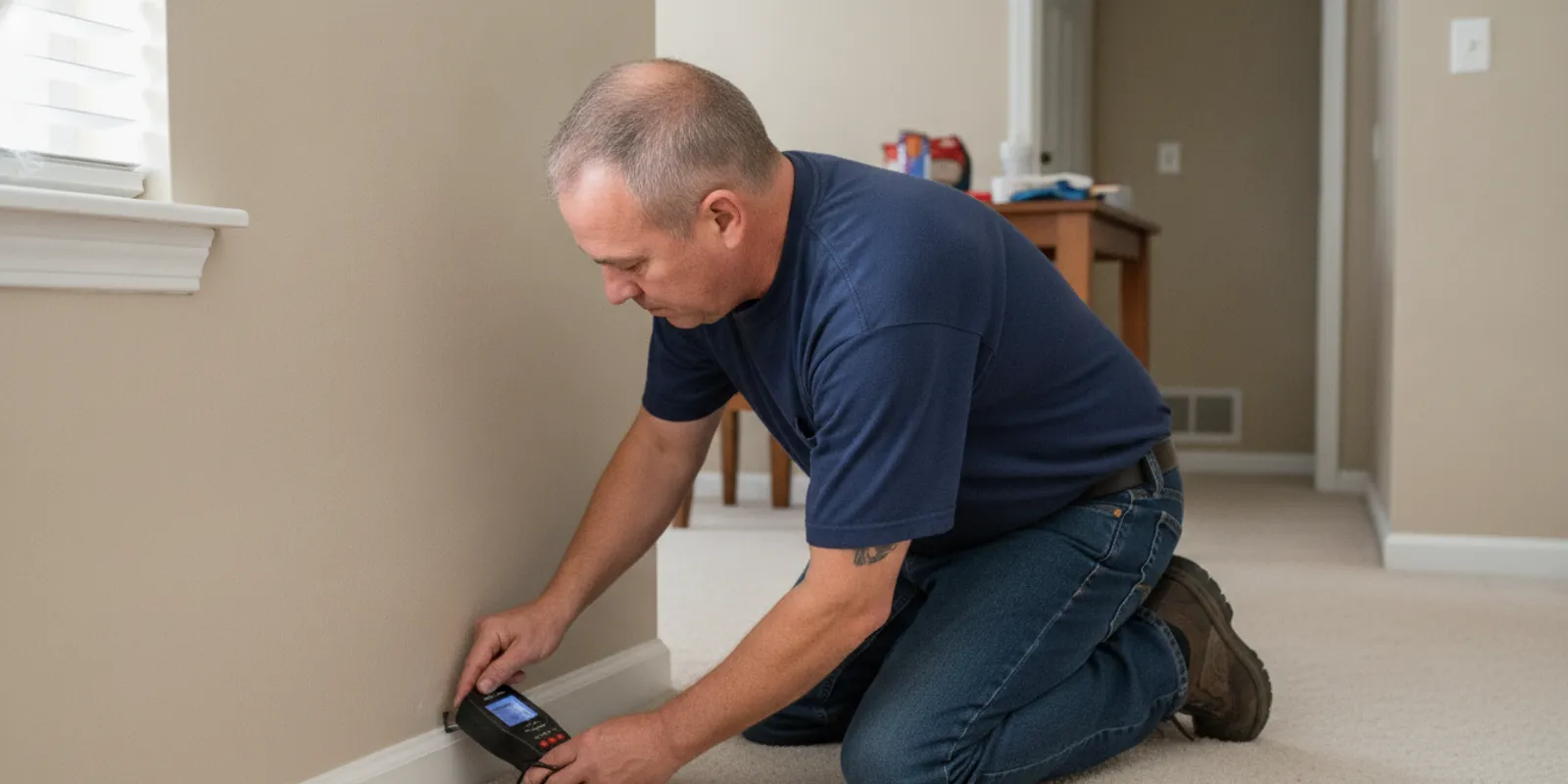
A sewer line inspection is focused on the physical condition and location of the plumbing. Depending on access and the symptoms, a plumber may inspect a cleanout, use a sewer camera, evaluate flow, or identify signs of a break, blockage, root intrusion, offset joint, or other condition. The available evidence depends on the property and the situation.
The result should be a clear description of what was observed, not a promise that insurance will pay. Ask for the inspection findings in writing and request photographs or video when available. If replacement is recommended, ask which section is affected, why repair or cleaning would not address the problem, and whether excavation or other restoration is included in the estimate.
A plumbing inspection can also prevent an insurance conversation from starting with the wrong assumption. A slow drain may be caused by a localized clog rather than a failed sewer lateral. Conversely, repeated backups in multiple fixtures may call for a broader evaluation. The article Signs of a Broken Sewer Line explains warning signs to discuss with a qualified plumber, while Common Sources of Sewer Line Clogs covers several conditions that can restrict a line.
Questions to ask before approving sewer line replacement
Whether or not insurance is involved, a written scope helps you understand the proposed work. Ask the plumber to explain:
- Where the problem is located and how that location was confirmed.
- Whether the condition is a blockage, a damaged pipe, a collapsed section, a connection problem, or another issue.
- What repair options were considered and why replacement is recommended.
- How much of the line is included in the proposed work.
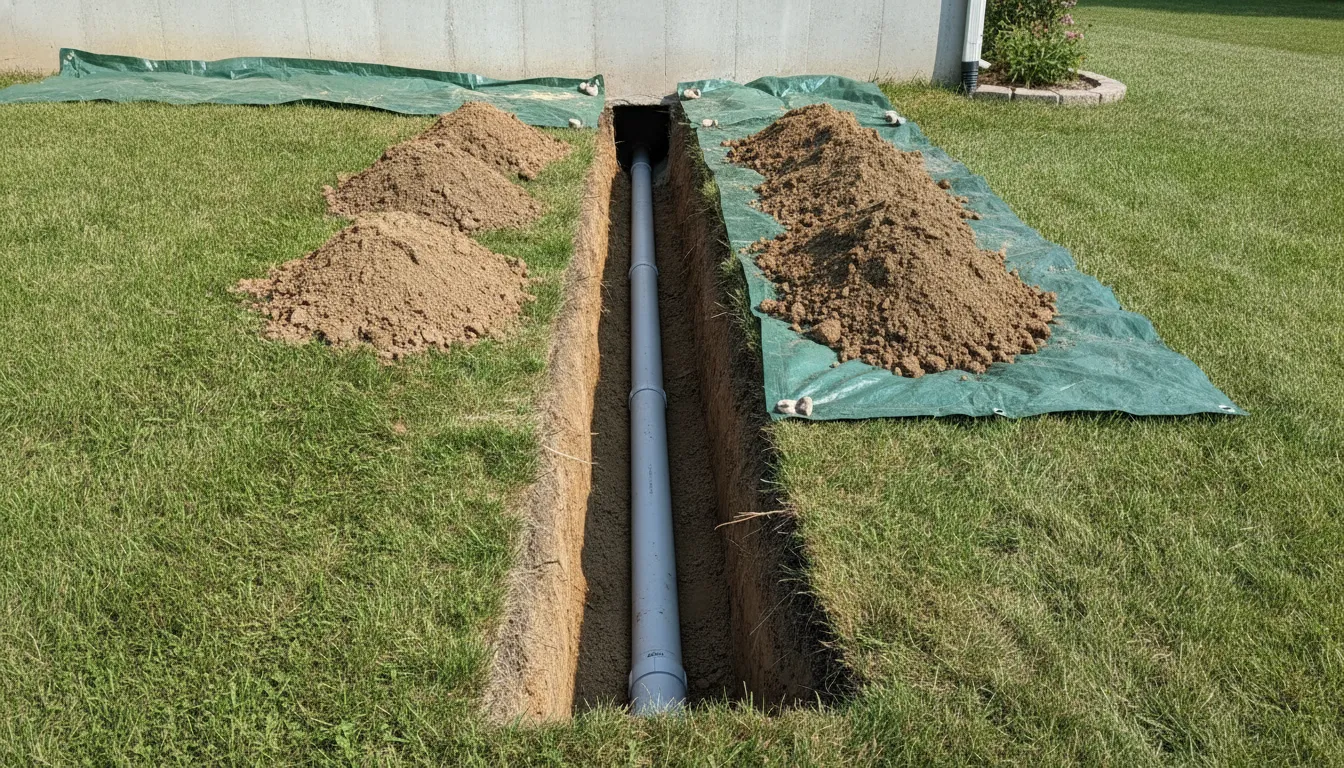
- Whether excavation, access, permits, backfill, surface restoration, and testing are included.
- What temporary measures are available if you need time for an insurance inspection.
- Which portions of the work may be emergency mitigation versus permanent repair.
For background on planning factors, see Sewer Line Repair Cost: What Goes Into an Estimate. That guide explains why site access, the affected section, excavation, restoration, and the condition of the existing system can change the scope. It does not replace an on-site estimate, and it does not predict what an insurer will pay.
How sewer line replacement and sewer backup coverage differ
People often use “sewer coverage” to mean several different things. Sewer line replacement concerns the underground pipe and the work needed to repair or replace it. Sewer backup coverage may refer to water or wastewater that enters the home through a drain or sewer system. Service line coverage may address certain underground utility lines. These can be separate policy features, and one does not automatically include the others.
The distinction matters when you report a loss. Tell the insurer what you observed without deciding in advance which coverage category applies. Explain whether the issue involved an exterior line, an interior backup, damage to the structure, damage to belongings, or a combination. The claim representative can identify the policy sections and documentation requirements that apply to your situation.
If the issue is an active blockage rather than a broken line, cleaning may be an option. The guide 4 Sewer Line Cleaning Methods describes common approaches and why the right method depends on the condition of the line. If replacement is necessary, Tommie’s sewer line replacement service page provides a starting point for discussing an evaluation in Northeast Tennessee.
What if the sewer line crosses a property boundary?
Responsibility can become more complicated when a sewer lateral crosses a property line, connects to a shared system, or reaches a public main. The location of the failure does not by itself answer who is responsible or what insurance covers. Local utility rules, easements, agreements, municipal requirements, and policy language may all matter.
Ask the plumber to identify the observed location as precisely as practical, and ask the insurer whether it needs information about ownership or maintenance responsibility. If a public utility or municipality may be involved, contact it through its official channel and keep notes about what it tells you. Do not assume that a neighbor, utility, or insurer is responsible without confirming the applicable rules and documents.
Does insurance pay for the entire replacement?
It may not. A claim decision can distinguish between covered damage, excluded damage, deductibles, policy limits, code-related upgrades, landscaping, excavation, cleanup, and improvements. The insurer may also decide that only part of the proposed scope is related to the covered cause. Ask for the decision and any partial-payment explanation in writing.
If the insurer requests a detailed estimate, provide the plumber’s written scope and ask questions about any items it does not understand. If the insurer denies a claim, read the denial and the cited policy language carefully. You can ask the insurer or agent to explain the decision and the process for requesting reconsideration or using the appeal procedure described in your policy. A plumber can clarify plumbing facts, but should not interpret the policy or promise a claim outcome.
Request a sewer line evaluation from Tommie’s Plumbing or call (423) 638-3662 to discuss the next step.
Frequently asked questions
Does homeowners insurance cover a sewer line that needs replacement because of age?
Coverage is not automatic. Age-related deterioration, corrosion, and ordinary wear may be excluded or treated differently from damage caused by a covered event. Review your policy and ask your insurer how it handles the specific cause documented at your property.
Does a sewer backup endorsement pay for a broken exterior sewer line?
Not necessarily. A sewer backup endorsement and a service line endorsement can address different risks. Read the definitions, covered causes, exclusions, limits, and deductible for your policy, then ask the insurer how the endorsement applies to an exterior line and any resulting interior damage.
Should I call a plumber or my insurance company first?
If there is active sewage, protect people from contamination and take reasonable steps to prevent further damage. Contact your insurer promptly to ask about claim reporting and inspection requirements, and arrange appropriate plumbing help for the immediate condition. Ask before authorizing non-emergency permanent work if the insurer wants to inspect first.
Can a plumber tell me whether my claim will be covered?
A plumber can inspect the sewer line, document physical conditions, and explain the recommended plumbing scope. The insurer interprets the policy and decides whether a claim is covered. Be cautious of anyone who promises that an insurer will pay without reviewing your policy and the cause of damage.
What should I do if I am not sure where the sewer line is damaged?
Ask for an evaluation that identifies the likely location and condition of the line. A camera inspection or other diagnostic step may help, depending on access and symptoms. Keep the written findings and any images for your records and for the insurer if it requests them.
Start with the policy and the facts
The answer to “does homeowners insurance cover sewer line replacement?” depends on the policy, the cause of the damage, the location of the line, and the documentation supporting the claim. Review your coverage with your insurer, report the situation accurately, and obtain a plumbing evaluation before making assumptions about the repair scope. Tommie’s Plumbing serves homeowners throughout the Tri-Cities and Northeast Tennessee and can help explain the plumbing findings and next steps.