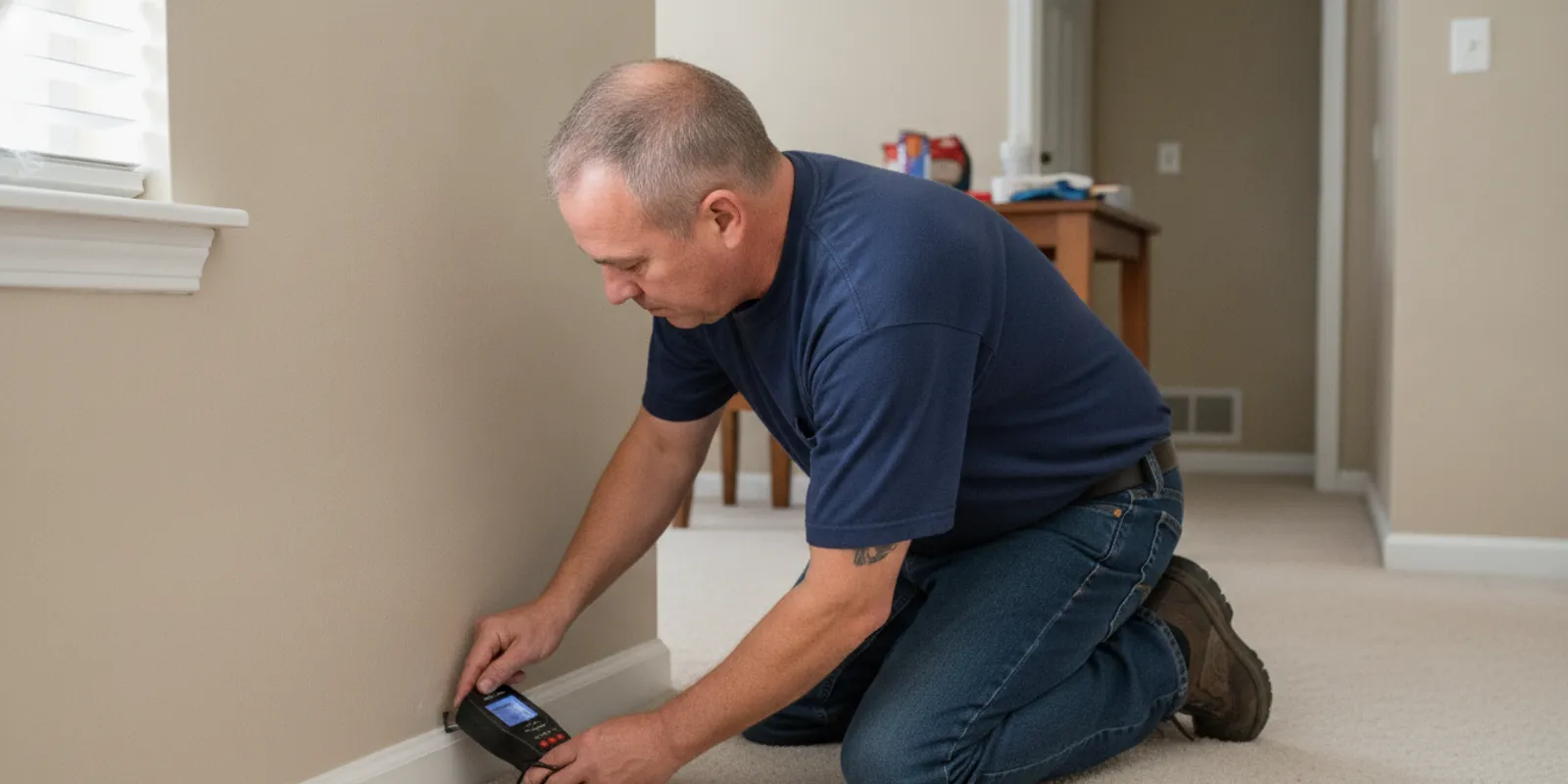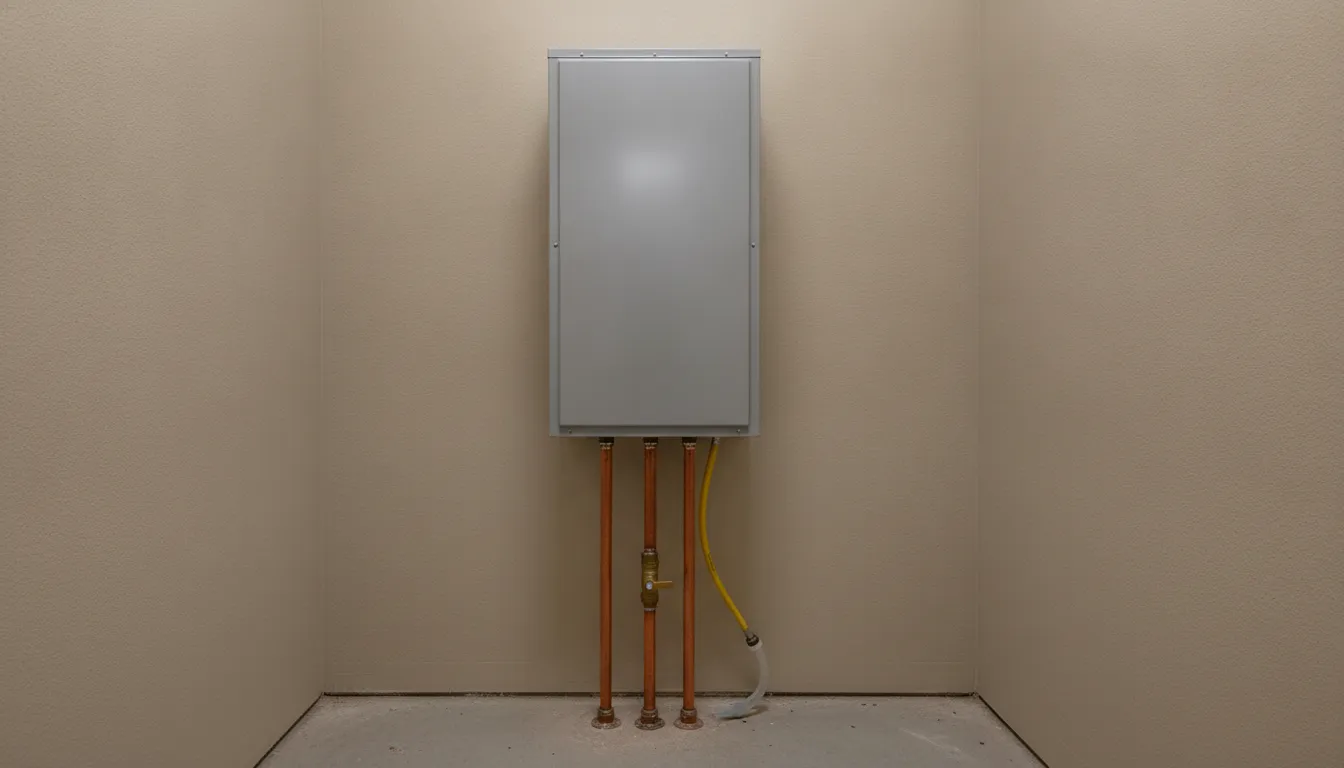
A visit from a plumber for tankless water heater repair is the right next step in a few clear cases. The unit will not stay lit. Hot water fades at one faucet after another. An error code returns. Water is dripping from the heater itself. Maintenance and a simple reset can clear some complaints. They do not replace a look at gas supply, venting, scale, sensors, and the water lines around the unit. Tommie’s Plumbing helps homeowners across the Tri-Cities and Northeast Tennessee sort those symptoms before a small tankless problem turns into a cold shower or a wet utility room. Start with tankless repair support when the heater itself is the problem.
Call (423) 638-3662 to book tankless repair support
When should you call for plumber tankless water heater repair?
Call when the heater is no longer doing the job it was installed to do, or when a homeowner check does not restore normal hot water. Tankless units heat water as it moves through a heat exchanger. A problem in airflow, fuel, scale, or a sensor can shut that process down even though the unit still has power.
These situations are worth a plumber’s inspection rather than another week of waiting:
- Hot water starts strong, then turns lukewarm or cold while a shower is still running.
- One fixture is fine and another is not, and the pattern keeps changing.
- The display shows an error code that comes back after a reset.
- You hear banging, whistling, or a fan that runs and then stops.
- You smell gas, see scorch marks, or notice water under the unit.
- The heater is older and the same complaint has already returned after a cleaning.
A gas odor or active leak is not a troubleshooting project. Leave the area, avoid switches and flames, and call for help. For other complaints, note what the display says and which fixtures are affected before you book. That detail helps the plumber arrive prepared.
Tommie’s Plumbing is a family-owned, plumbing-only company. The team handles everyday repairs, water heaters, tankless heaters, and larger plumbing projects, and explains the problem before the work starts. If the visit shows the unit is past a sensible repair, the conversation can move to replacement without treating that as the only answer on the first call.
Which symptoms point to the heater, not a fixture?
A single slow faucet is often a fixture or aerator issue. A tankless problem usually shows up in more than one place, or it shows up only when several fixtures ask for hot water at once.
Use a short comparison before you assume the heater has failed.
| What you notice. | More likely at the fixture. | More likely at the tankless heater. |
|---|---|---|
| One faucet is lukewarm. | A mixing cartridge, clogged aerator, or crossed line at that sink. | Less likely if every other hot fixture is normal. |
| Every shower fades after a few minutes. | Unlikely to be one shower valve. | Scale, a flow sensor, or the unit reaching its limit. |
| No hot water anywhere. | Only if the house supply or a shutoff is closed. | Ignition, gas, power, a lockout code, or a failed part. |
| Water on the floor by the heater. | Not a faucet problem. | A fitting, condensate line, or heat exchanger needs inspection. |
| Error code on the display. | The fixture cannot create that code. | The heater is reporting a fault. Read it against the manual. |
Mineral scale is a common reason a tankless heater works, then struggles. Hard water leaves deposits in the heat exchanger. The unit may run hotter to compensate, short-cycle, or show a code tied to overheating or flow. Descaling is its own maintenance task. If you already had a recent cleaning and the complaint is back, the repair question is different: something else may be limiting flow, ignition, or venting.
Our guide to tankless water heater descaling covers when a flush is the right conversation. This article stays on the repair decision that comes after maintenance has not solved the complaint.
What can you safely check before the plumber arrives?
A few checks are reasonable. Opening the heater, testing gas pressure, or cleaning a burner is not. Manufacturers design these units to shut down when combustion or venting is outside a safe range. Guessing at that hardware can make the next visit harder.
Homeowners can usually do this much:
- Confirm the cold-water shutoff serving the heater is open, and that other fixtures still have cold water.
- Look at the display and write down the code exactly, including any flashing pattern. Do not guess from a similar model.
- For a gas unit, check that other gas appliances in the house work. If the whole house is out of gas, the heater is not the only issue.
- Make sure the breaker has not tripped. Reset it once. If it trips again, leave it off and book service.
- Look at the intake and exhaust terminations outside. Leaves, nests, or snow can block airflow. Do not dismantle the vent.
- Check the condensate drain on a condensing unit for a kink or an obvious clog at the visible tubing. Do not open the cabinet.
- Note the brand and model from the outside label, how old the unit is if you know it, and whether the problem is constant or only during long showers.
Stop there. Do not remove the front cover, bypass safety switches, or pour chemicals into the heater. If a reset brings hot water back for an hour and the code returns, that is useful information for the plumber. It is not a completed repair.
Routine care is separate from this visit. The tankless water heater maintenance service article explains what a scheduled visit includes and how it differs from repair. If you are still inside a normal service interval and the heater suddenly fails, skip ahead to an inspection.
What does a tankless repair visit look for?
A repair visit starts with the complaint, not with a quote to replace the heater. The plumbers at Tommie’s Plumbing look at the space, the connections, and the way the home uses hot water. The tankless page describes installation sizing, code compliance, venting, gas lines, water connections, and system testing. Those same systems are what a repair inspection has to rule out when an existing unit misbehaves.
On a typical visit, the plumber may:
- Read the error history and compare it with the manufacturer’s code list for that model.
- Confirm incoming water flow, temperature rise, and whether several fixtures are asking for more hot water than the unit can supply.
- Inspect venting for length, slope, blockage, and separation from the air intake.
- Check gas supply and combustion on a gas model, or the electrical supply and elements on an electric model, using the proper instruments.
- Look for scale symptoms, leaking fittings, a stuck valve, or a condensate line that can flood a burner.
- Decide whether a part, a cleaning, a vent correction, or a replacement conversation is the honest next step.
Error codes are model-specific, so a number from a neighbor’s heater is not a diagnosis. Brands publish their own lists, and many of those codes still require a contractor. Combustion faults, ignition failure, condensate backup, and scale-related overheating are common examples. The safe pattern is the same: record the code, stop if you smell gas or see water spreading, and let a plumber test the cause.
You can read how Tommie’s Plumbing approaches tankless work on the tankless water heater service page, including electric and gas options for Tri-Cities homes. The tankless repair support page is the direct place to request that visit.
How is repair different from maintenance or replacement?
Maintenance keeps a working heater reliable. Repair corrects a fault that is already interrupting hot water or creating a safety concern. Replacement is the option when the unit, the venting, or the gas and electric supply cannot be put back into dependable service at a sensible scope.
Use the distinction this way:
- Maintenance. The heater still makes hot water, but it has not been flushed, filters are due, or you want a seasonal check. Start with maintenance, not a repair call.
- Descaling. Flow has slowly dropped and you have hard water, with no leak and no gas smell. A descaling visit may be the whole answer.
- Repair. A code returned, ignition failed, water is dripping, or hot water cuts out after earlier maintenance. A plumber should inspect the unit.
- Replacement. The heat exchanger is failed, parts are unavailable, or the same repair has already been done and the household demand is larger than the unit can meet.
Age matters, but it is not a rule by itself. Some tankless heaters run for many years with clean water and clear venting. Others fail earlier because of scale, a venting mistake, or an undersized unit. The water heater repair or replacement guide walks through that broader decision, including what tank and tankless owners should compare. Use this article to decide whether you need the inspection. Use that one if the inspection shows a real choice between fixing and replacing.
Installation cost and permit questions belong on their own pages too. The tankless installation cost guide covers what goes into a new unit, and the water heater installation permit article covers what Tennessee homeowners should expect when a replacement needs a permit. A repair visit does not automatically become either of those projects.
What should you ask before you approve the work?
Tommie’s Plumbing gives on-site estimates and explains options before work proceeds. There is no single published price for tankless repair, because the cause changes the scope. A clogged condensate line is not the same job as a failed heat exchanger or a vent that was never sized correctly. Ask for a job-specific estimate instead of a generic local average.
Useful questions on the visit:
- What did the code or the test actually show?
- Is the recommended work a cleaning, a part, a vent or gas correction, or a replacement?
- Will the heater be safe to use until the part arrives?
- Does this repair need a permit, or is that only true if the unit is replaced?
- What warranty applies to the part and to the labor on this job? Coverage varies by job, so ask for the terms in writing.
- If replacement is on the table, what size and fuel type fit this house?
Clear the floor in front of the heater, keep pets away from the utility space, and have the model number ready. If you rent, tell the plumber whether the property owner has to approve work before it starts. Homeowners and small rental properties are both part of the work Tommie’s Plumbing sees around Greeneville, Johnson City, Kingsport, Bristol, Jonesborough, and nearby Northeast Tennessee communities.
The company has more than 30 years of trade experience. Estimates are discussed at the house, with options laid out before you commit. That is the right moment to compare a limited repair with a larger fix, not after the heater is already apart.
How should you handle a no-hot-water situation today?
If the heater has stopped and nobody is in danger, you can usually stay in the house and plan the visit. Turn the heater off at the switch or breaker if the manual tells you to do that for a lockout. Leave the cover on. Avoid space heaters in a closed utility room, and do not try to bypass the unit with a garden hose or a temporary electric heater on the same circuit.
Use cold water for drinking and washing until someone has confirmed the heater is not leaking into the water lines. A slow drip at a fitting can often wait for a same-week visit. Water running onto the floor, a ceiling stain under the heater, or a gas smell should be treated as urgent. Call and ask what response is available rather than assuming a clock time.
While you wait, write down three facts: the code, which fixtures lost hot water, and whether the problem started after a power outage, a remodel, or a long period of no maintenance. Those notes keep the visit focused. They also keep the plumber from repeating tests you have already ruled out, such as a closed shutoff or a tripped breaker.
For water-heater work beyond this tankless question, the water heater installation page covers new and replacement installs. Repair support for an existing tankless unit still starts with an inspection, not with an install quote.
Ready for a plumber to inspect the tankless heater? Call (423) 638-3662 or schedule service online.
Frequently asked questions
Can a plumber fix a tankless water heater?
Yes. A plumber can diagnose ignition, scale, venting, condensate, sensor, and leak problems on a tankless water heater and repair the faults that are within the unit’s condition and available parts. Some codes still end in a replacement recommendation when the heat exchanger has failed or the unit cannot meet the home’s demand.
What is the most common reason a tankless heater needs service?
Mineral scale is the issue homeowners run into most often, especially where the water is hard. Scale restricts the heat exchanger and can trigger overheating or flow codes. Leaks, ignition failure, and blocked vents are the complaints that move the job from maintenance into repair.
Should I reset the heater more than once?
One reset is a fair check after you write down the code. If the code returns the same day, stop resetting it. Repeated resets can hide a combustion, condensate, or overheating fault that needs testing rather than another power cycle.
Does a repair visit include descaling?
Only if scale is part of the fault the plumber finds. Descaling is a defined maintenance service. A repair visit may include it, or it may find a different cause, such as a gas supply problem, a failed part, or a vent restriction. Ask which one the estimate covers before work starts.
Who should I call in the Tri-Cities?
Call Tommie’s Plumbing at (423) 638-3662 or schedule service online. The team serves Greeneville and the surrounding Tri-Cities and Northeast Tennessee area, and can inspect the tankless heater before you decide on repair or replacement.