

Deciding between water heater repair or replacement is easier when you look beyond one symptom. The right choice depends on what has failed, whether the rest of the unit is in sound condition, how well it meets your household’s needs and what a plumber finds during an inspection. There is no single age or symptom that settles every case.
Ask a plumber to assess your water heater
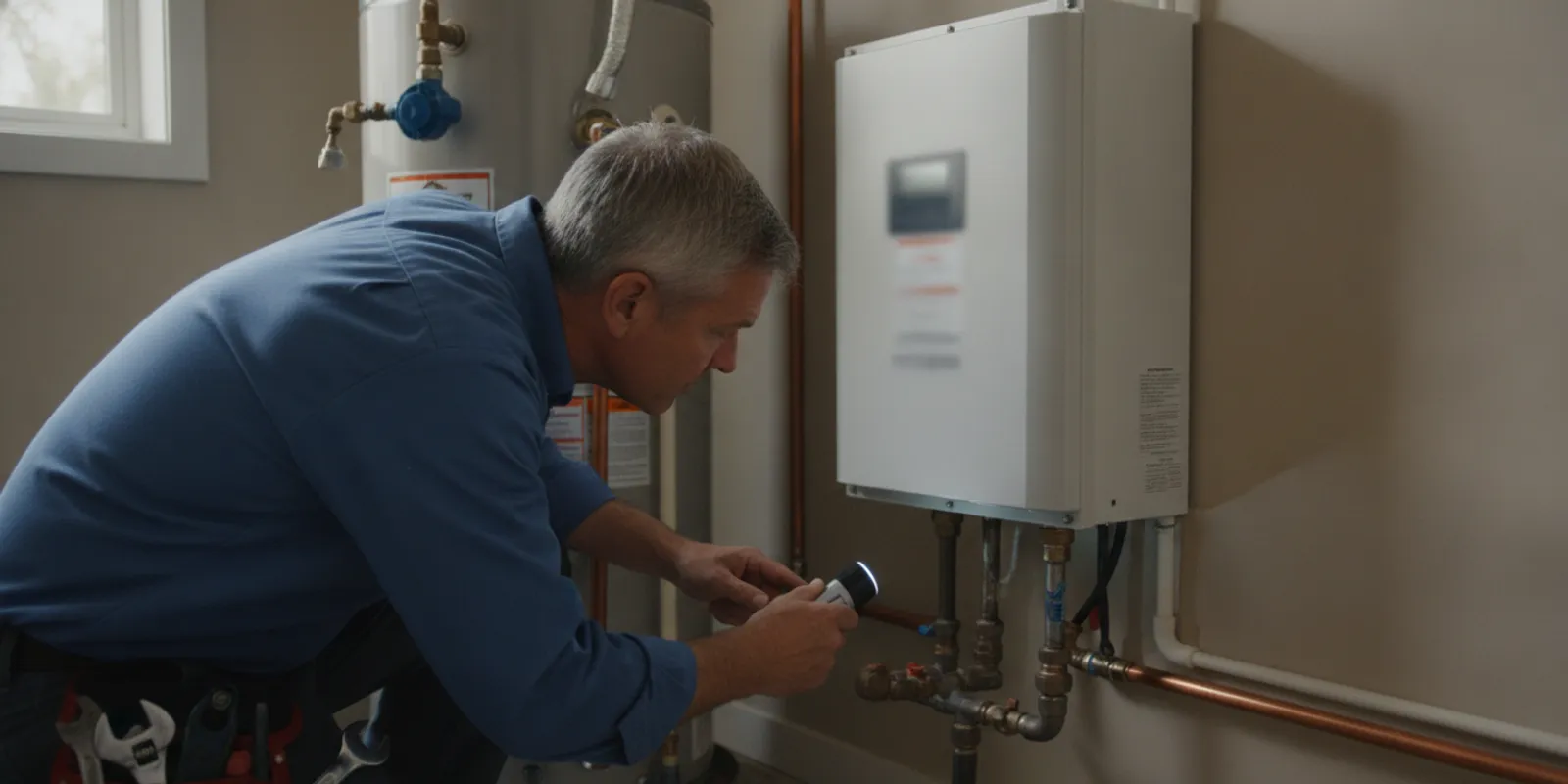
A careful comparison starts with a clear diagnosis. A repair may address a specific, limited problem. Replacement may make more sense when the issue involves the tank itself, recurring failures or a unit that no longer fits the home. For homeowners in Northeast Tennessee, Tommie’s Plumbing handles water heater and tankless heater work, and its plumbers can explain the findings and the available next steps.
Water heater repair or replacement?
Start by separating what you have observed from what you suspect. “The hot water ran out quickly” is an observation. “The heater is too small” is a possible explanation that needs checking. That distinction helps keep the decision grounded in facts rather than assumptions.
Before an appointment, write down a few details:
- What changed, and when did you first notice it?
- Does the problem happen every time or only under particular conditions?
- Is the issue limited to one faucet or shower, or does it affect several fixtures?
- Have you noticed water around the unit, unusual sounds, an odor, or a change in water appearance?
- Do you know the unit’s make, model, fuel type, approximate installation date or service history?
- Have any repairs already been made, and did they solve the problem temporarily or fully?
Photos of the label or visible conditions can help, provided you can take them without moving the unit or approaching anything unsafe. Do not remove covers, reach into equipment, or try to diagnose electrical or fuel components yourself. If there is active leaking, avoid contact with nearby electrical equipment. If you can safely identify a water shutoff, use it to limit water flow and contact a plumber. If you suspect a gas leak, leave the area and contact the appropriate emergency service or utility from a safe location.
This information does not replace an inspection. It gives the plumber a useful starting point and helps distinguish a one-time event from a recurring pattern.
Water heater repair or replacement: cause
A water heater has several components and connections, and problems that feel similar to a homeowner can have different causes. A loss of hot water, a leak, or inconsistent temperature does not by itself prove that the entire heater needs to be replaced. The source and extent of the fault matter.
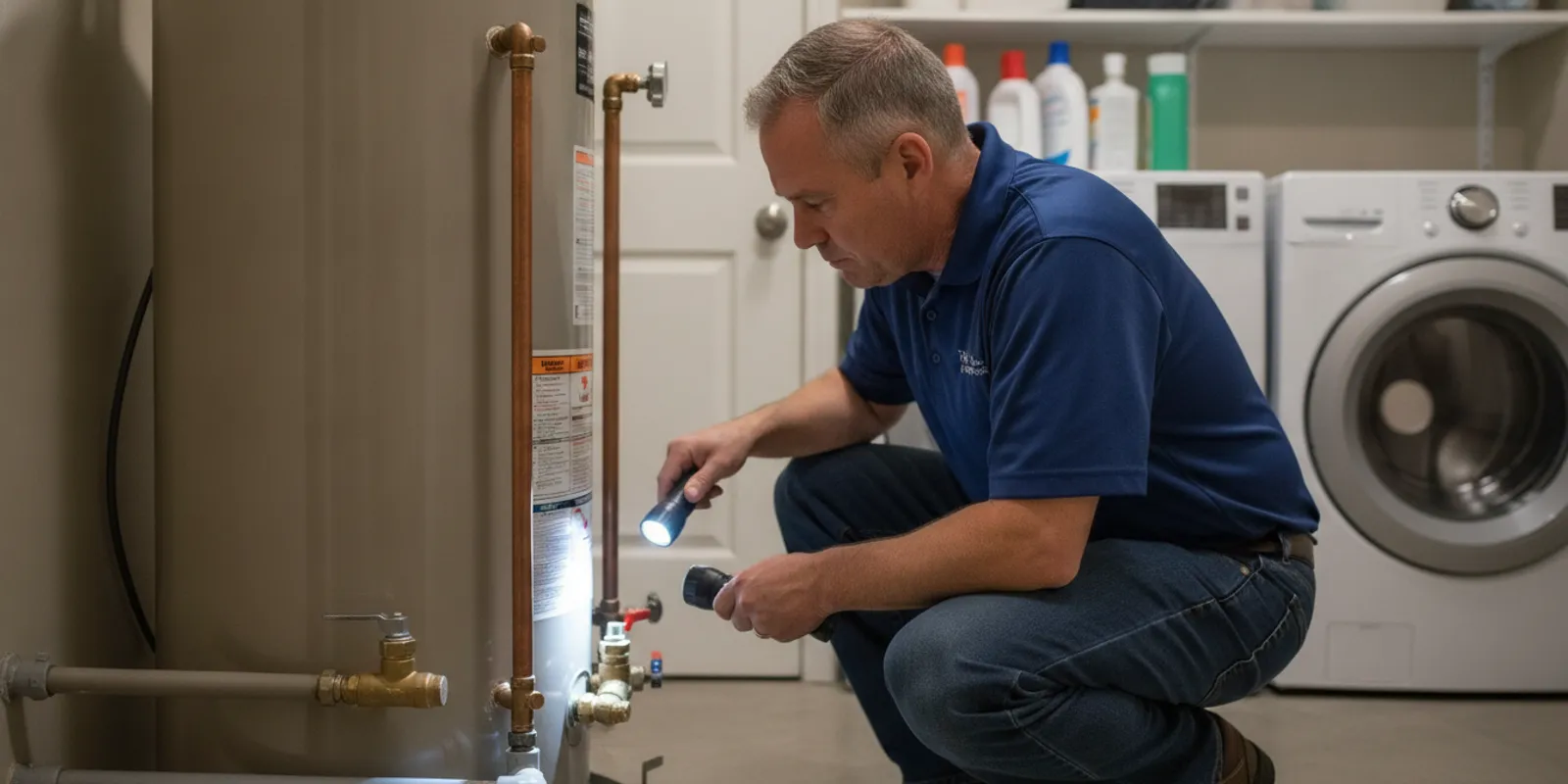
During an assessment, a plumber can identify whether the concern appears to involve a replaceable component, a connection, the controls or the heater’s main vessel. A limited repair can be a reasonable option when the fault is clearly identified, the rest of the system is in suitable condition and the repair is expected to address the issue. Replacement deserves closer consideration when the main tank is leaking, damage is extensive, or separate problems keep returning.
Ask the plumber to describe the diagnosis in practical terms. Which part or condition is causing the symptom? What work is proposed? Is the repair expected to resolve the current issue, or are there other known concerns? What signs would indicate that the solution did not hold? Clear answers make it easier to compare options without guessing.
It is also worth confirming what the estimate includes. A repair estimate should identify the intended work and any parts or related tasks that are included. A replacement estimate should explain what unit is proposed and what installation work is part of the project. Ask whether any additional work is only a possibility or is already known to be needed. Do not assume that an estimate includes changes to venting, piping, electrical connections or other surrounding systems unless the scope says so.
How should age and overall condition enter the comparison?
The approximate age of a heater is useful context, but it is not a complete diagnosis. Two units of similar age can be in different condition because their use, maintenance, water conditions, installation and repair histories differ. A calendar date alone cannot show whether a specific part can be repaired or whether the main vessel remains sound.
Look at the whole history. Has the heater been dependable, or has it needed repeated attention? Is the current fault isolated, or is it one of several concerns? Has the unit provided enough hot water for the household? Does the installation area show signs of moisture or deterioration? These questions help frame whether a repair is a focused response or another step in a longer pattern.
If the unit is older but working reliably, age alone may not justify immediate replacement. If it is newer but has a serious defect, a qualified assessment is still important. The useful question is not simply “How old is it?” but “Given its present condition and history, what is the likely value of repairing this particular unit?”
Ask the plumber to explain any uncertainty. Sometimes an inspection can identify the immediate fault but cannot guarantee that an unrelated component will never fail later. A good decision accounts for what is known, what is only a possibility and how much uncertainty you are comfortable accepting.
It can help to think in terms of the unit’s overall condition rather than treating every repair as proof that the heater is finished. A repair history is useful because it shows whether earlier work addressed separate, unrelated issues or whether the same underlying problem keeps coming back. Bring any available invoices or notes, but do not worry if you do not have a complete record. Explain what you remember and let the plumber distinguish documented facts from estimates.
Also be clear about your priorities. Some homeowners want to resolve the immediate fault with the least disruption possible. Others would rather consider a broader replacement if repeated service has become inconvenient. Those preferences do not change the diagnosis, but they help a plumber explain which options meet your goals and what tradeoffs each one carries.
What does the repair option need to include?
Repair is most straightforward when the cause is specific and the proposed work is limited. Before agreeing, make sure you understand what the repair is intended to fix, whether it addresses the original symptom and whether any other observed condition remains. Ask whether the work involves a part, a connection or another component, using plain language if technical terms are unclear.
Ask these questions about a proposed repair:
- What did the inspection identify as the cause?
- Which component or connection will be repaired or replaced?
- Does this work address the full problem, or only one symptom?
- Are there other concerns that could affect the decision soon?
- What should I watch for after the repair?
- What is included in the estimate, and what would require a separate decision?
The answers help distinguish a practical repair from work that may only postpone a larger decision. They also help avoid assuming that a repaired symptom means every part of the heater has been evaluated or renewed.
Ask what successful follow-up should look like. For example, if the complaint was intermittent, describe the conditions that brought it on and ask how you can tell whether the repair resolved it. If the same symptom returns, find out whom to contact and what information to provide. This is not a guarantee that no other issue can develop; it is a way to understand how the proposed repair will be evaluated and what the next step would be if the original concern persists.
Repairs may also differ in how much of the installation they touch. A component-level job may leave the rest of the system as it is, while other work may require related connections to be checked. Ask the plumber to point out the boundary of the proposed work so you know which parts were assessed and which were outside its scope.
For a repair to be a sound choice, the expected benefit should fit the unit’s condition and the household’s plans. A homeowner who expects to remain in the home for years may weigh repeat service differently from someone preparing for a move. Neither situation dictates the answer, but both are useful context for a conversation with the plumber.
When is replacement worth considering?
Replacement becomes a stronger option when the main tank itself is leaking, the unit has substantial deterioration, or the repair history points to repeated problems rather than one isolated fault. It can also be worth discussing when the existing heater consistently falls short of the household’s hot-water needs or when a new installation is being considered as part of a larger plumbing project.
Replacement does not automatically mean choosing the same kind of heater or the same capacity. Before selecting equipment, clarify the household’s daily hot-water use, available installation space, existing connections and any constraints that could shape the project. A plumber can assess which options are compatible with the home and explain whether additional work is needed.
A replacement estimate should set out more than the equipment name. Ask what is being removed, what is being installed, which connections or related components are part of the work, and whether cleanup or disposal is included. If the proposed unit differs from the existing one, ask what changes are required to install it correctly and what those changes mean for the scope.
When comparing a replacement with a repair, consider both the immediate work and the likely disruption. Replacement is a larger project, but it can resolve a problem that a limited repair cannot. Repair may involve less work now, but may not be the best choice if the central part of the heater is failing or if other known issues remain. A clear explanation of the diagnosis and scope is more useful than a blanket rule.
Planning matters as well. Ask how long the heater may be unavailable during the proposed work and whether the home needs to be prepared in a particular way. The answer can depend on the diagnosis and the work involved, so it is better to ask about the project in front of you than rely on a generic timeline. If you have children, guests or another reason that makes hot water especially important on a certain day, mention it while discussing scheduling.
Replacement can also be an opportunity to reconsider how the system serves the home, but it should not become an excuse to add equipment or work that does not fit your needs. Ask the plumber to explain why a proposed model or configuration is appropriate, what alternatives were considered and what the installation requires. That keeps the conversation tied to the household, not just a product description.
How do household needs and efficiency factor in?
Household needs can change over time. A growing family, new routines, additional bathrooms or changes in how people use hot water may make a heater that once seemed adequate feel limiting. Conversely, a home with lower demand may not need the same setup as a household with several people using hot water at the same time.
Describe the actual pattern rather than simply asking for a larger heater. Explain when hot water runs short, how many people live in the home and which fixtures or appliances commonly overlap. A plumber can use that context with the equipment and installation details to discuss whether the current unit is properly suited to the home.
Efficiency is another reason homeowners may consider replacement, but estimates of savings should be specific and carefully qualified. The result depends on the proposed equipment, how the household uses hot water, utility rates and installation conditions. Ask for a comparison based on the actual options being considered rather than relying on a general promise that any new heater will reduce bills.
Also consider the full project, not just the unit’s advertised features. An option that seems attractive may require changes to the installation area or supporting systems. Ask what the proposed equipment needs, whether those conditions are already present and whether the estimate includes the work required to meet them.
What should conventional and tankless owners compare?
A conventional storage heater and a tankless heater work differently, so replacement decisions should account for the system already in the home. A repair assessment should begin with the installed model and the specific fault. Do not assume that advice for one kind of heater automatically applies to the other.
If you have a conventional unit, ask whether the issue is limited to an individual part or connection, or whether it involves the storage tank itself. For a tankless unit, ask the plumber to identify the affected component and explain whether the proposed work addresses the symptom and the condition of the system as a whole. The right answer depends on what the inspection shows, not on the equipment label alone.
When considering a switch from one type to another, ask about the home’s requirements before choosing a product. A change may involve more than swapping the visible unit. The fuel source, available capacity, installation location and required connections all need to be evaluated for the specific home. Ask which changes are necessary, which are optional and how they affect the complete scope.
Tommie’s Plumbing offers work on conventional water heaters and tankless water heaters. A discussion of the options should still be based on the equipment, home and household needs in front of the plumber; a service offering does not mean that one type is right for every property.
How can you compare estimates without focusing only on the total?
Price matters, but two estimates are not directly comparable if they describe different work. One may include a limited repair, while another includes replacement or related installation tasks. Before judging the totals, line up the diagnosis, equipment or parts, labor scope and any assumptions or exclusions.
Use a simple comparison like this when you review proposals:
- Diagnosis: Do both plumbers identify the same cause, or is another inspection needed?
- Scope: Does the estimate repair the same part or replace the same system?
- Included work: Are removal, installation, connections and other listed tasks described?
- Uncertain items: Are possible additional tasks clearly separated from work already included?
- Equipment: If a replacement is proposed, do the options meet the home’s needs and installation requirements?
- Next steps: Does the plumber explain what happens if the diagnosis changes once work begins?
If anything is unclear, ask before authorizing the work. A lower total may reflect a narrower scope, and a higher total may include tasks that another estimate leaves out. The goal is to understand what you are buying and how the recommendation connects to the observed condition.
There is no need to choose an option based on a claimed universal rule about heater age or repair cost. Ask for a written explanation of the findings and the recommended work. Tommie’s Plumbing describes its estimates as on-site and explains that options can be discussed; you can read more about its general plumbing services in East Tennessee or arrange a visit through the service scheduling page.
What should you do while waiting for an assessment?
Keep people away from any visible water near electrical equipment, and do not remove panels or attempt a repair that requires tools or access to internal components. If there is active leaking and you can safely locate the water shutoff, turning it off may help limit further flow. If you cannot do so safely, leave the area and get professional help.
Make a note of when the symptom occurs, whether it changes and which fixtures are affected. Avoid repeatedly resetting controls or changing settings when you do not know the cause. The details you collect can help the plumber reproduce the concern without adding risk or making the diagnosis harder.
If you are unsure whether a condition needs prompt attention, explain what you see when you call. Share the unit location, whether water is actively escaping and whether the problem affects the whole home. Do not wait for a routine appointment if you believe there is an immediate hazard; move to a safe place and contact the appropriate emergency service or utility.
What should you ask the plumber before deciding?
A useful appointment should leave you with a diagnosis you can understand and a choice you can explain. You do not need to know the name of every component before the visit. Ask the plumber to connect the observed symptom to the proposed work and to separate confirmed findings from possible future concerns.
Before approving repair or replacement, consider asking:
- What is the confirmed source of the problem?
- Is the tank or main body of the heater affected, or is the issue elsewhere?
- What are the reasonable repair and replacement options for this unit?
- What does each option include, and what does it leave unchanged?
- How does the current heater fit the household’s hot-water use?
- If a different type or size is considered, what needs to be checked in the home first?
- What should I expect during the work, and are there any conditions that could change the scope?
For homeowners across Northeast Tennessee, an experienced plumber can help evaluate water heaters and tankless systems without promising that every unit should be repaired or every older unit should be replaced. If you want to discuss your options, learn about water heater installation or contact Tommie’s Plumbing to request an assessment.
Contact Tommie’s Plumbing to discuss your options
Frequently asked questions
Does a leak always mean the water heater must be replaced?
No. A leak’s location and cause matter. A connection or valve issue may call for different work than a leak from the tank itself. Have a plumber identify the source before deciding what the heater needs.
Can a plumber tell whether repair is worthwhile from the unit’s age alone?
Age is one factor, not a complete answer. The unit’s condition, fault, service history, household needs and likely scope of work all help shape the recommendation.
Should I replace a conventional heater with a tankless model?
Not automatically. The home’s hot-water needs, available installation conditions and the work needed to support the proposed equipment should be assessed first. Ask a plumber to compare suitable options for your specific home.
What information should I have ready when I call?
Describe the symptom, when it began, which fixtures are affected and whether there is active leaking. If safely accessible, the unit’s label and approximate age can also be useful. Do not remove covers or approach unsafe equipment to collect details.
How do I get a clear estimate?
Ask for the diagnosis, the exact repair or replacement scope, what is included, and which items are only potential additional work. If you are comparing estimates, confirm that they address the same problem and include comparable tasks.
The best decision is the one that matches the heater’s documented condition, the home’s needs and a clearly explained scope of work. An inspection can help you choose a sensible next step rather than relying on a one-size-fits-all rule.