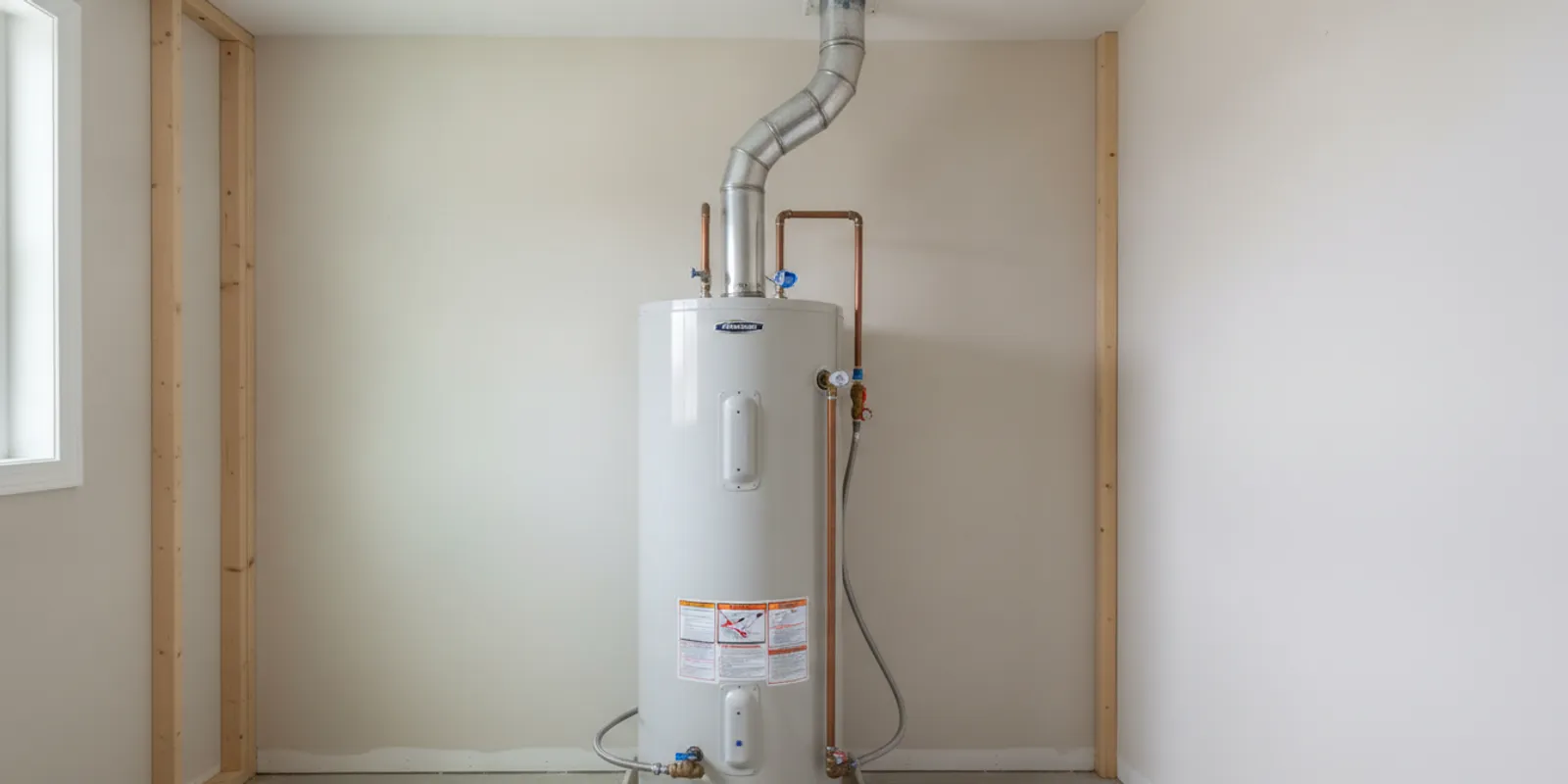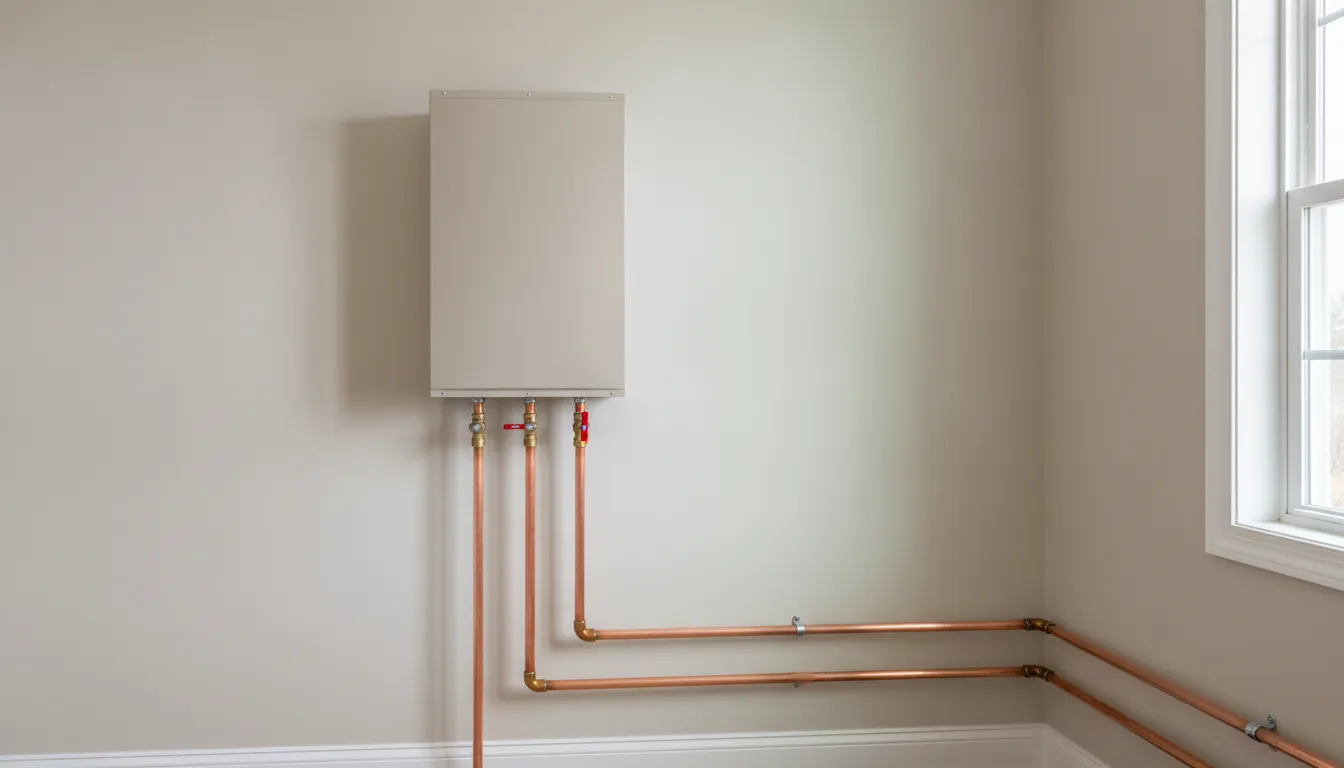
If you are researching a water heater installation permit, start with the building department responsible for the property’s address. The materials available do not establish one statewide yes-or-no answer for every Tennessee jurisdiction or every type of installation. The answer can depend on whether you are replacing a unit in place or changing fuel, wiring, venting, piping, or location. Water heater installation cost also varies with the equipment and work scope, so an estimate should describe the actual plan.
Contact Tommie’s Plumbing to discuss your water heater project
Does Tennessee require a permit to install a water heater?
There is no verified single answer here for every home and every municipality. Local requirements can differ, and a straightforward replacement may not be treated the same way as a project that changes equipment type or connections. A homeowner in Greeneville should confirm with the authority responsible for that property. Homeowners elsewhere in Northeast Tennessee should make the same address-specific check.
Do not assume a replacement is exempt because the new heater looks like the old one. Do not assume every change triggers the same permit either. Ask the department before work begins. If a contractor handles permitting, clarify who submits the application, whether fees appear in the estimate, and how you will receive permit or inspection information.
It helps to distinguish between three different questions: whether a permit is required, whether an inspection is required, and whether the proposed work must meet particular conditions. One answer does not automatically answer the others. Request clear guidance for the scope you intend to approve, and revisit the question if that scope changes.
Who should you contact about a permit?
Start with the local building or codes department responsible for the property. Give the complete street address so staff can determine which jurisdiction applies. Describe the planned work in ordinary terms: what is installed now, what you plan to install, and whether anything beyond the heater itself may change. If you have not chosen a model, say so rather than guessing.
Ask which application, if any, applies; whether an inspection is part of the process; and when each step must happen. If staff directs you to another office, record its name and contact information. Ask for written guidance or a link to the applicable instructions when available. A clear written record can prevent misunderstandings when the estimate is finalized.
A plumbing contractor can help explain the physical scope, but the responsible local department is the source for requirements at that address. Tommie’s Plumbing serves homeowners across Northeast Tennessee; its service-area information lists communities named on the company site. You can use the contact page to discuss a project with the company.
What details can change the permit answer?
Before you call, gather enough information to explain what is staying the same and what may change. You do not need to diagnose the heater or take anything apart. If a detail is unclear, identify it as unknown and ask how it should be confirmed.
- Property address: The full address identifies the authority that serves the home. A nearby town name alone may not establish which office handles permits.
- Existing heater: Note whether it is a storage-tank or tankless unit. If you know whether it uses gas or electricity, include that information.
- Proposed heater: Say whether you expect to keep the same type, fuel, and location. If you are still comparing options, ask whether the answer could differ for each.
- Connections: Mention possible changes to water lines, gas piping, electrical supply, venting, or the space around the appliance.
- Property arrangement: Explain whether the home is detached, part of a multi-unit building, or a rental. Other approvals or responsibilities may be relevant.
- Project timing: Tell the department whether work is planned soon or whether you are still collecting estimates. Ask when any application should be submitted.
A photo of the heater label and surrounding connections may help a contractor understand the existing arrangement. Do not remove a cover or touch wiring, gas fittings, or hot pipes to take a picture. If there is a leak or another hazard, prioritize safety rather than gathering details.
How should you describe the work when you call?
A short, specific description is more useful than asking only, “Do I need a permit?” The department needs to understand the proposed scope. Try a statement such as: “The home is at this address. It currently has a gas storage-tank heater in the utility room. I am considering replacing it in the same location. I do not yet know whether the vent or connections will change. What should I confirm, and do I need a permit or inspection?”
If you are considering a different fuel or type, describe that separately. For example, say that you are comparing an electric tank with a gas tankless unit. Do not state that the project is a like-for-like replacement if you do not yet know whether the connections and venting will remain compatible. The purpose is not to reach a technical conclusion over the phone; it is to help the office identify the right process.
Take notes while you speak. Record the date, office contacted, guidance given, application name, and any follow-up question. If the office cannot answer until you select equipment or receive a contractor’s description, ask exactly what information it needs. Then request that information before approving a materially different installation plan.
What is the difference between a permit and an inspection?
Ask about these separately. A permit is an authorization or application process. An inspection is a review that may be required at a particular stage. Depending on local rules and the work, a department may require an application, an inspection, both, or neither. Do not treat an answer about one as an answer about the other.
If an inspection is required, ask when it must occur, how it is scheduled, and who is responsible for arranging it. Find out whether the inspector needs access to a particular room or equipment area and whether the homeowner or contractor should be present. Ask whether the installation can be used while an inspection is pending; do not infer the answer.
Keep the permit number, inspection date, and closeout paperwork with your home records. If the department says no permit is needed, note when you called and which office provided the guidance. This record does not replace official requirements, but it helps you remember what was discussed if the project scope changes or questions arise later.
How can you compare a replacement with a larger change?
The word “replacement” does not describe every part of a job. One project may remove an old heater and install a similar unit in the same place with compatible connections. Another may involve a different fuel, a different equipment type, new venting, altered wiring, changed piping, or a new location. Those differences can affect the estimate and what you should ask the local authority.
| Project situation | What to explain | What to confirm |
|---|---|---|
| Similar unit in the same location | Current and proposed type, fuel if known, and whether connections are expected to stay the same | Whether this specific replacement needs a permit or inspection |
| Tank-to-tankless change | Proposed equipment and possible changes to venting, gas supply, electrical service, and water lines | Whether the changed scope affects approvals or inspection steps |
| Fuel or location change | Current arrangement, proposed fuel and location, and affected connections | Which offices or approvals apply and the required sequence |
| Undecided equipment | What is known about the current unit and the options being considered | Whether guidance can be preliminary and what details are needed for a final answer |
Use the table as a conversation guide, not a statement of local code. A department’s answer for one option may not apply to another. If your contractor discovers that a connection or vent needs work, pause and confirm whether that changes the permit plan before treating the original answer as final.
How does the permit question relate to water heater installation cost?
Water heater installation cost is not one fixed figure for every home. The total depends on the chosen equipment and the labor and related work needed to install it. Permit or inspection coordination can also affect the project’s cost or schedule when required. A useful estimate explains what is included, what is optional, and what conditions might change the scope after the existing setup is reviewed.
Several factors can matter:
- Equipment type and capacity: A storage tank and a tankless system have different equipment and installation needs. Household hot-water use is one consideration when selecting capacity.
- Energy supply: Changing between gas and electric, or modifying an existing supply, can involve more than removing and reconnecting a similar unit.
- Venting and location: The proposed model needs to be evaluated against the actual installation conditions. Do not assume the current venting or available space suits a different model.
- Connection condition: The condition and compatibility of water, gas, and electrical connections can affect the work that is needed.
- Access and removal: Stairs, a tight work area, and removal or disposal of the old unit can affect labor and logistics.
- Permit and inspection tasks: If local rules require an application or inspection, ask whether fees and coordination are included or listed separately.
- Uncovered conditions: An estimate based on visible conditions may need clarification if the installer finds a problem that could not be confirmed beforehand. Ask how changes will be discussed and approved.
These are cost considerations, not a price list. Tommie’s Plumbing says its estimates are conducted on-site with Good, Better, and Best options. Ask what differs among those options and which work is necessary for your home. The company’s plumbing services information offers context about its plumbing work.
How can you compare estimates fairly?
Two totals are difficult to compare if the proposals cover different equipment or work. Ask each provider to identify the heater type, fuel, capacity, and included tasks. Then check whether each estimate makes the same assumptions about removal, disposal, connections, permits, and inspection arrangements.
Consider a homeowner who receives two proposals. The first names a specific heater and includes removal of the old unit and permit coordination. The second lists equipment and installation but says nothing about removal or fees. The lower number is not necessarily the lower cost for the same finished scope. Ask what the blank items mean before comparing totals.
Another example: one estimate assumes existing venting can be reused, while a second includes an allowance to assess it. Rather than treating either assumption as a certainty, ask how the vent will be checked, what would happen if it is unsuitable, and whether any added work requires a revised approval or estimate. This keeps the comparison centered on the work each proposal actually covers.
A side-by-side review should include:
- Equipment type, fuel, capacity, and model when selected.
- Whether the heater stays in the same place and whether any connections change.
- Removal and disposal of the existing unit.
- Permit application responsibility, any fees, and inspection scheduling.
- Work required for the proposed installation versus optional upgrades.
- Assumptions about existing venting, piping, electrical supply, and access.
- Conditions that could lead to added work or a revised estimate.
- Warranty information that applies to the equipment and installation.
Request written answers when possible. If one proposal is based on an assumption that current connections can be reused, ask how that assumption will be verified. A clear explanation is more useful than comparing totals without knowing whether they describe the same job.
How can you work through an estimate step by step?
Use a simple review before you approve work. First, circle the equipment description and confirm that it matches the option you discussed. If the estimate says only “water heater,” ask for the type, fuel, and capacity to be clarified. If you have not selected a model, make sure the estimate says what assumptions it uses.
Second, mark every line that describes installation work. Check whether removal and disposal are included, whether the location changes, and whether any connection work is listed. If the contractor expects to assess a condition during the visit, ask how that assessment could affect the final scope. You should understand whether a change will be discussed with you before additional work proceeds.
Third, find the permit and inspection plan. If it is not mentioned, do not assume that the contractor will handle it or that it is unnecessary. Ask who has confirmed the local requirements, who submits any application, who schedules an inspection, and how you will receive documentation. If the homeowner must take a step, write down the deadline and the office to contact.
Finally, compare exclusions and conditions. A proposal that leaves fees, removal, or connection changes open may still be useful, but you need to know what remains unresolved. Ask for an updated written scope once the equipment and local requirements are clear. This process makes the estimate a practical planning document rather than just a number.
What should you ask before approving work?
Use direct questions so you understand the plan and who is responsible for each step:
- What type, fuel, capacity, and model are included?
- Is this a like-for-like replacement, or will venting, piping, wiring, fuel supply, or location change?
- Does the estimate include removing and disposing of the existing heater?
- Has the local building department confirmed whether a permit is needed for this scope?
- If an application is required, who submits it and how are fees handled?
- Who schedules an inspection, and who will provide the permit or inspection record?
- What is excluded, and what conditions could change the price or work scope?
- What warranty information applies, and will the installer explain operation and basic care?
If you are still choosing between equipment types, ask the permit and estimate questions for each option. A quote for one arrangement does not necessarily describe another. Tommie’s Plumbing provides information about tankless water heaters and water heater installation. Use those pages as background for a conversation about your home, not as a substitute for local permit confirmation.
How should you prepare for an installation visit?
Before the visit, make a short project folder or note on your phone. Include the property address, the existing heater’s type and fuel if known, photos taken safely, questions from the building department, and the estimate. If you have already received permit guidance, keep the office’s response and any application details together with the proposal.
Clear a safe path to the heater and move stored items away from the work area. Keep children and pets out while work is underway. Do not disconnect the old unit or alter gas, electrical, or water connections yourself. If access is limited, mention it when arranging the visit so the work can be discussed with that constraint in mind.
Tell the plumber about leaks, unusual noises, inconsistent hot water, or other changes you have noticed. These observations may help explain the current situation, but avoid opening the heater or attempting a repair without appropriate expertise. If the unit is failing, ask how to handle the water supply and equipment while waiting for service.
You can request an appointment through the company’s schedule service page. The page is a way to request service; confirm appointment details directly with the company.
What if the heater is leaking or has stopped working?
If water is actively leaking, focus on safety and limiting damage. If you can safely reach the water shutoff without standing in water or touching electrical equipment, turn off the supply. If you smell gas, leave the area and contact the appropriate emergency service from a safe location. Do not operate electrical switches near a suspected gas leak.
If hot water has stopped but there is no immediate hazard, note what changed and whether you see water or damage around the unit. Avoid opening the heater or attempting a repair without appropriate expertise. Tommie’s Plumbing handles water heaters and plumbing work in Northeast Tennessee; its Greeneville service-area page provides local information, and you can use its contact page to request help.
Ask Tommie’s Plumbing about your installation estimate
Frequently asked questions
Can I install a water heater without a permit?
It depends on the rules serving the property and the work planned. Ask the local building department before work begins, and ask separately whether an inspection is required.
Does replacing a heater in the same place avoid a permit?
Not necessarily. The authority serving the address must confirm whether a similar replacement needs a permit or inspection. Describe any changes to fuel, venting, wiring, piping, or location.
How much does water heater installation cost?
Cost depends on equipment, existing connections, access, removal, and related work or permit requirements. Request an on-site estimate that spells out the proposed equipment and scope rather than relying on a generic figure.
Who pays for a permit?
The estimate and local process determine how fees are handled. Ask whether the cost is included and who applies and arranges any inspection.
How do I know whether Tommie’s Plumbing serves my address?
Review the company’s Northeast Tennessee service-area page and contact the team to confirm whether your address and requested work can be served.
Before approving a water heater installation, verify permit and inspection requirements for your address, compare estimates on the same scope, and make sure you understand who will handle each step.