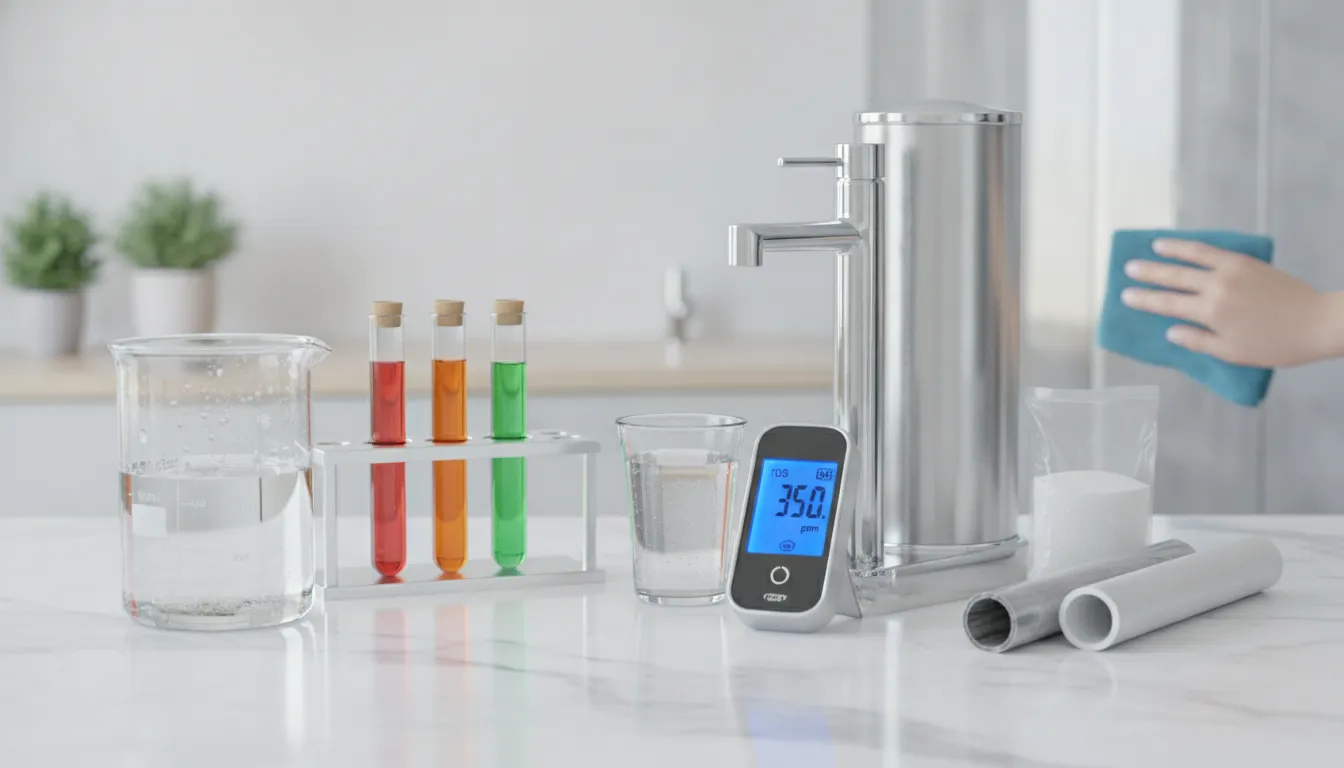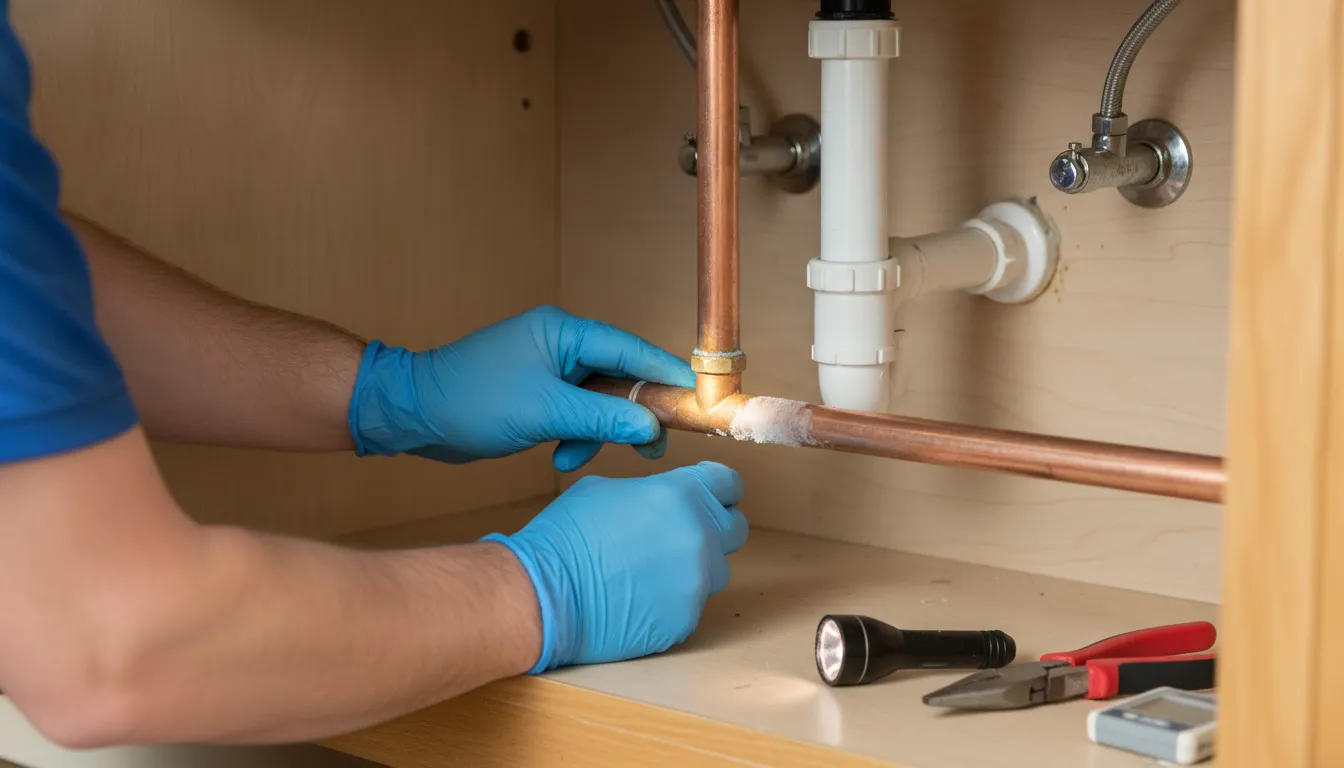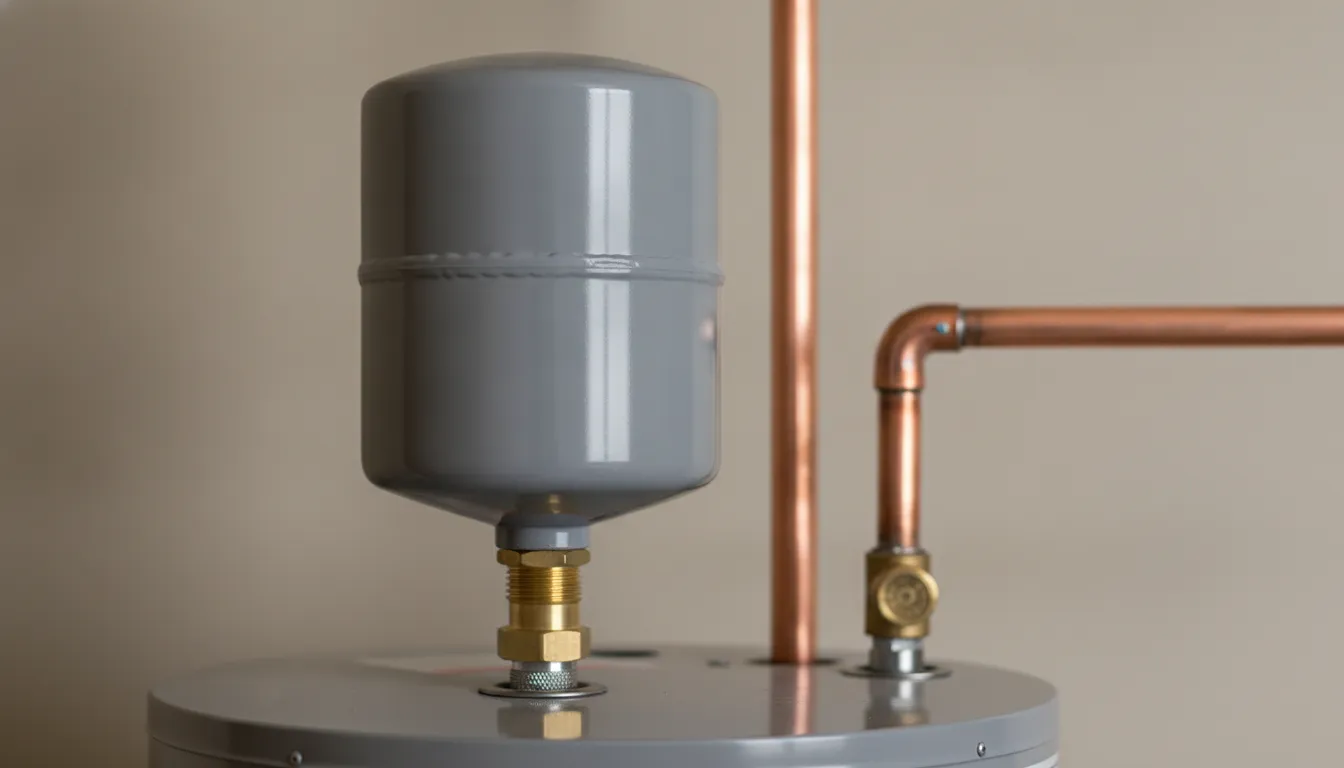
A glass of hard water may look perfectly clear, so many homeowners do not realize they have it until mineral deposits appear around the house. You might find chalky buildup near faucets, soap scum on shower walls, spots on dishes, or unusual sounds from the water heater. These signs often lead to one important question: what is hard water, exactly? Hard water contains elevated levels of calcium and magnesium picked up as water moves through soil and rock. Learn how to recognize it, test it, and decide whether cleaning, repairs, a softener, or another treatment system makes sense.
Key Takeaways
- Confirm the cause with testing: Hardness levels differ between properties, so test your water before selecting a softener, conditioner, filter, or other treatment.
- Match the solution to the water issue: Hardness testing measures calcium and magnesium, while broader testing may be needed for bacteria, metals, sediment, odors, or other concerns.
- Act on recurring plumbing symptoms: Persistent scale, weak flow, water-heater noise, and appliance problems may signal buildup that requires professional service or properly sized treatment equipment.
What Is Hard Water?
Hard water contains a high concentration of dissolved minerals, mainly calcium and magnesium. These minerals occur naturally in many water sources, including municipal supplies and private wells. You usually cannot identify hard water by looking at a glass of it. Instead, the signs often appear on faucets, shower doors, dishes, laundry, water heaters, and other plumbing fixtures.
Hardness is not the same as contamination. Water can be hard and still meet drinking-water standards. It can also be soft while containing other substances that require attention. A water test is the most reliable way to determine how much hardness your water contains and whether additional testing is needed. The U.S. Geological Survey explains water hardness classifications and the measurements professionals use.
Understanding your water’s mineral content can help you choose a practical solution. Some homes may only need regular cleaning, while others may benefit from a water softener, scale-control system, or targeted plumbing repairs. The right approach depends on your test results, water source, plumbing, appliances, and household preferences.
Calcium and magnesium cause hardness
Hard water contains dissolved calcium and magnesium. Rainwater begins relatively soft, but it can absorb carbon dioxide as it moves through soil. That slightly acidic water may then pass through limestone, dolomite, chalk, and other mineral-rich rock. As it travels, it dissolves small amounts of these materials and carries the minerals into groundwater or wells.
Calcium and magnesium are not unusual substances added to the water supply. They occur naturally in many regions, and the amount can vary from one property to another. Homes with private wells may see especially noticeable differences because local geology has a direct effect on groundwater quality. The National Ground Water Association explains how groundwater interacts with surrounding rock.
When hard water is heated or evaporates, the minerals can remain behind as solid deposits. That is why you may see a white, chalky film around a faucet, showerhead, water heater connection, or dishwasher. Over time, these deposits can affect water flow and make fixtures and appliances harder to maintain.
Hardness does not mean contamination
Hard water is generally considered a nuisance rather than a direct health threat. Calcium and magnesium occur naturally in drinking water, and people also get these minerals from food and other beverages. The most common concerns are scale, soap scum, water spots, reduced flow, and extra maintenance for plumbing and appliances.
However, a hardness test does not show whether water is safe in every other respect. It cannot detect bacteria, lead, nitrates, sulfur, pesticides, or other substances that may affect water quality. If your water is cloudy, has an unusual odor, tastes different, or comes from a private well, broader testing may be appropriate. The Environmental Protection Agency provides guidance for private-well owners, who are responsible for monitoring their own water.
Hard water can create expensive problems without being unsafe to drink. Mineral deposits may reduce water-heater efficiency, restrict fixture flow, and contribute to repairs. Treat the specific water-quality issue rather than assuming a softener will remove every possible contaminant.
Classify hardness from soft to very hard
Water hardness is commonly classified according to the amount of dissolved calcium carbonate equivalent:
- Soft: 0 to 60 milligrams per liter
- Moderately hard: 61 to 120 milligrams per liter
- Hard: 121 to 180 milligrams per liter
- Very hard: 181 milligrams per liter or higher
These categories make test results easier to understand, but they do not predict exactly how a home will be affected. Plumbing age, water temperature, appliance condition, and daily water use all influence how quickly scale becomes noticeable. Older pipes and fixtures may show problems sooner than newer ones.
A larger household may also see more buildup because more water passes through showers, faucets, and appliances each day. Private well water may contain iron or manganese in addition to calcium and magnesium, which can create stains or change the appearance of deposits.
If your result falls in the hard or very hard range, use it as a starting point. Compare the number with the symptoms in your home, then consider professional advice before choosing treatment equipment.
Measure hardness in grains per gallon, ppm, or mg/L
Water hardness may appear on a test report as milligrams per liter, written as mg/L, or parts per million, written as ppm. For hardness, these measurements are usually reported as calcium carbonate equivalent. One mg/L is approximately equal to one ppm.
Plumbing and water-treatment professionals also use grains per gallon, or GPG. This measurement is especially common when sizing a water softener. One GPG equals approximately 17.1 mg/L or ppm of hardness. For example, 10 GPG is about 171 mg/L, which falls near the hard-to-very-hard range. The USGS hardness reference provides additional context for these units.
Check the unit before comparing test results. A number that looks small in GPG may represent a much higher number in ppm. If a laboratory lists calcium and magnesium separately, it may also provide a calculated total hardness value.
These measurements help determine whether treatment may be useful and how much capacity a softener needs. Household size, water use, and regeneration settings matter too, so avoid selecting equipment based on the hardness number alone.
Compare hard and soft water
Soft water contains very little calcium and magnesium. It generally creates more soap lather and leaves fewer mineral spots on glass, faucets, and shower walls. Hard water contains more of these minerals, which can react with soap and leave a residue on surfaces.
You may notice the difference during ordinary household tasks. Shampoo can feel difficult to rinse, laundry may come out stiff, and dishes may have cloudy marks after drying. Faucets and showerheads may also develop a white crust that restricts water flow. These signs do not prove hardness is the only issue, but they are good reasons to test the water.
Soft water is not automatically cleaner or safer. Softening changes the mineral balance, but it does not remove every substance that may be present. Likewise, hard water is not automatically unsafe. A home may have acceptable drinking water while still needing help with scale and appliance maintenance.
Some homeowners prefer softer water throughout the house. Others want treatment only at a drinking-water tap or water heater. Testing helps you choose a solution based on actual conditions instead of guesswork.
Distinguish temporary and permanent hardness
Temporary hardness usually comes from calcium and magnesium bicarbonates. Heating the water can cause some of these minerals to separate and form scale, which is why water heaters and hot-water fixtures often develop deposits first. Boiling may reduce some temporary hardness in a small amount of water, but it is not a practical solution for an entire home.
Permanent hardness generally comes from calcium or magnesium sulfates and chlorides. Boiling does not remove these minerals, so heating will not solve the problem. In fact, heating hard water can encourage scale to collect inside water heaters, tankless heat exchangers, valves, and fixture parts.
Most homes have a combination of hardness types. A basic water test may report total hardness rather than separate temporary and permanent amounts. A whole-home ion-exchange softener can remove calcium and magnesium, while some other systems only reduce scale formation without removing the minerals.
If deposits keep returning after cleaning or your hot-water performance changes, testing can show whether hardness is involved. A plumbing assessment can also help distinguish mineral scale from sediment, corrosion, or another issue before you invest in treatment.
How Does Hard Water Form in Northeast Tennessee?
Hard water forms when water collects dissolved minerals as it moves through soil and rock. Calcium and magnesium are the main minerals responsible for hardness. Rainwater starts with very few dissolved minerals, but it can pick up more as it filters into the ground and travels through underground rock layers.
Northeast Tennessee has varied geology, so water hardness can differ between communities, neighborhoods, and individual homes. Your water source also matters. Municipal water is treated and distributed by a utility, while private wells draw water from an aquifer beneath the property. Neither source guarantees soft water because the mineral content depends on where the water comes from and what it contacts underground.
Rainwater moves through soil and rock
Rain and snow usually contain very few dissolved minerals when they reach the ground. As water soaks into the soil, it moves through layers of sediment and rock. Along the way, it can dissolve naturally occurring calcium and magnesium compounds and carry them into an underground aquifer.
The amount of mineral pickup depends on the type of rock, the length of time water remains underground, and the path it takes through the ground. This helps explain why two homes near each other can still have different water hardness levels. Well depth and local groundwater movement can also affect the result. The U.S. Geological Survey’s explanation of groundwater flow provides more detail about how water moves beneath the surface.
Limestone affects groundwater
Limestone can contribute to hard water because it contains calcium-based minerals. When groundwater passes through limestone and other mineral-rich formations, it may dissolve some of those materials. The water then carries the minerals to a well, spring, or municipal water source.
This process can leave behind white or chalky scale on faucets, showerheads, water heaters, and other plumbing parts. It does not automatically mean the water is contaminated. Hardness measures dissolved mineral content, while a broader water test checks for concerns such as bacteria, metals, and other substances. A hard-water guide from Water-Right explains how groundwater can collect calcium and magnesium while moving through limestone.
Compare municipal water and private wells
Municipal water passes through a treatment facility before it reaches your home. Treatment helps manage many water-quality concerns, but it may not remove all calcium and magnesium. Hardness can also change if a utility uses a different water source or adjusts its treatment process.
Private wells draw water from the aquifer beneath the property. Since well water reflects local geology, hardness may vary according to the well’s depth, location, and surrounding rock. Well owners also need to arrange their own testing and keep track of results. The Tennessee Department of Environment and Conservation’s well resources can help private well owners find state information about groundwater and well protection.
Expect hardness to vary by home
Northeast Tennessee does not have one hardness level that applies to every home. One property may develop heavy scale on fixtures, while another nearby home has little visible buildup. Differences in water source, well depth, groundwater movement, and plumbing condition can all affect what you see.
The home’s plumbing can also make hard-water symptoms more noticeable. An older system may already have mineral deposits inside pipes, faucet aerators, valves, or water-heater components. As a result, two homes with similar water may experience different flow problems or maintenance needs. A neighbor’s experience can offer a useful comparison, but only a test of your own water can confirm its hardness level.
Track seasonal and source-related changes
Water conditions can change when groundwater levels, rainfall, or the water source changes. Heavy rainfall may alter how water moves through soil and rock. During a dry period, a private well may draw from a different part of the aquifer. These shifts may affect mineral levels, even if the change is not dramatic.
Municipal customers may notice changes after utility maintenance, source changes, or treatment adjustments. Keep notes if you see new spots on dishes, changes in soap performance, or more scale on fixtures. Record when the symptoms began and which parts of the home are affected. Comparing test results over time can show whether the change is consistent or temporary. It can also help a plumber distinguish hard water from sediment, iron, or a plumbing problem.
Separate hardness testing from well-safety testing
A hardness test measures dissolved calcium and magnesium. It does not show whether water is free from bacteria, nitrates, metals, fuel-related compounds, or other contaminants. This distinction matters for private well owners, who should arrange routine testing and test again after flooding, well repairs, or changes in taste, odor, or appearance.
Before collecting a sample, ask what the laboratory’s test includes. Some panels check hardness along with iron, chlorine, sediment, or other conditions, while others focus on specific contaminants. The Tennessee Department of Health’s private well guidance offers information about well-water testing and safety. Once you know the results, a plumbing professional can help determine whether your home needs treatment, repairs, or both.
How Can You Recognize and Test Hard Water?
Hard water often reveals itself through small changes around your home. You may notice white crust on a faucet, cloudy glassware, soap that does not lather well, or laundry that feels stiff after washing. These signs occur because hard water contains dissolved minerals, mainly calcium and magnesium. The minerals may not be visible in the water, but they remain behind when water evaporates.
Some of these symptoms can also point to other plumbing or water-quality concerns. For example, cloudy water may come from trapped air or sediment, while a metallic taste may relate to old plumbing. Testing provides a clearer answer and helps you choose the right treatment.
Homes in Northeast Tennessee may receive water from a municipal system or a private well, and hardness can vary from one property to the next. If you are considering a water softener, test the water first. The hardness level, water source, and presence of iron, manganese, sediment, or other minerals all affect which solution makes sense.
Look for limescale on fixtures
Limescale is one of the clearest signs of hard water. It usually appears as a white, chalky, or pale gray crust around faucet bases, showerheads, drain openings, and the small screen inside a faucet aerator. You may also see a ring inside a toilet bowl or deposits around the waterline of a sink.
These deposits form when water evaporates and leaves calcium and magnesium behind. A small amount may seem like a cleaning issue, but thick scale can interfere with fixture parts and restrict water flow. Check areas where water frequently sits or splashes, especially around kitchen and bathroom fixtures.
Hard-water minerals can also remain on skin and hair after washing. Culligan explains how hard water may contribute to residue on hair and skin, which may help explain why your hair or skin feels different after bathing.
Check for soap scum, cloudy dishes, and water spots
Hard water can make everyday cleaning more frustrating. Soap may lather slowly, while a gray or white film collects on shower walls, tubs, sinks, and faucets. This residue, often called soap scum, forms when soap reacts with calcium and magnesium in the water.
Dishes and glassware may show a similar pattern. Look for cloudy spots, a dull film, or white marks that remain after the dishwasher cycle. Water spots may also appear on dark countertops, stainless steel, shower doors, and freshly washed vehicles. These marks are easiest to notice when water dries on a surface.
Consumer Reports describes hard water as mineral-rich water that can leave cloudy glassware and crust around faucets. If deposits return soon after cleaning, hardness may be contributing to the problem.
Notice dry skin, coated hair, and stiff laundry
Hard water can change how bathing and laundry feel. After a shower, your skin may feel dry, tight, or coated instead of clean. Shampoo may be difficult to rinse away, and your hair may feel dull, stiff, limp, or unusually frizzy. Mineral and soap residue can remain on the body and hair when hard water prevents products from rinsing completely.
Laundry can show similar signs. Towels may feel rough, clothes may seem stiff, and fabrics may look dingy even after a proper wash. Detergent can also leave residue when it does not work effectively with the water.
These symptoms do not prove that your water is hard. Skin conditions, hair products, detergent, and humidity can cause similar results. However, when dry skin, coated hair, stiff fabrics, and fixture scale appear together, testing the water is a sensible next step.
Watch for reduced faucet and showerhead flow
A gradual decline in water flow can point to mineral buildup inside faucet aerators and showerheads. The openings in these parts are small, so even a thin layer of scale can restrict the stream. You may notice that one bathroom has weaker flow than another or that a showerhead sprays unevenly.
Remove an aerator or showerhead only if you can do so safely without damaging the fixture. A manufacturer-approved descaling solution may clean removable parts, but older or fragile components may need replacement. If low flow continues after cleaning, the restriction could be farther inside the plumbing.
Hard-water deposits can affect pipes, valves, cartridges, and connections. They are not the only possible cause of low pressure, though. A partially closed shutoff valve, leaking pipe, clogged filter, pressure issue, or municipal supply problem can create similar symptoms. A plumber can help identify where the restriction begins.
Test cloudy, odd-tasting, or smelly water more broadly
Hard water does not usually make water cloudy, foul-smelling, or unsafe by itself. It can affect taste, however. Some people notice a mineral, bitter, or slightly salty flavor, especially when using the water for coffee, tea, or cooking. Minerals can also change the way beverages taste.
Cloudy water can have several causes. Tiny air bubbles often make water look milky and usually clear from the bottom of a glass upward. Sediment may settle at the bottom instead. A sulfur-like odor may point to hydrogen sulfide, while a metallic taste may relate to iron, copper, or plumbing materials.
Do not assume a hardness test answers every water-quality question. If your water changes color, develops a strong odor, or causes health concerns, treat it as a broader water-quality issue. A full water test can check for contaminants and minerals that a hardness strip does not measure.
Confirm hardness with testing
Visible residue can suggest hard water, but testing is the reliable way to confirm it. A test can show how much calcium and magnesium are present and whether the level is high enough to justify treatment. It can also help you avoid buying equipment based on guesswork.
The right test depends on your water source and your plans. A test strip can provide a quick screening result, while a liquid drop kit generally gives a more detailed reading. Laboratory testing is the strongest choice for private wells, unusual water changes, or whole-home treatment planning.
If you use a private well, test for more than hardness when appropriate. Well water may also require screening for bacteria, nitrate, iron, manganese, sulfur, and other concerns. The Environmental Protection Agency’s private drinking water resources explain why regular well testing matters.
Review municipal water reports and well records
Municipal water customers can start by reviewing the latest water quality report from their provider. The report may include general information about mineral content and treatment, although it may not show the exact hardness level at your address. Water can also change as it travels through neighborhood mains and household plumbing.
If you use a private well, check records from the well installation, prior inspections, or previous water tests. These documents may show the well depth, water source, and past concerns. Older results provide useful background, but they should not replace a current test.
A home’s water may differ from a nearby property, even when both homes are in the same community. Well depth, rock formations, plumbing materials, and treatment equipment all play a role. Use public records as a starting point, then test water from your own home before selecting treatment.
Screen water with test strips
Water-hardness strips offer a quick and inexpensive first check. To use one, fill a clean container with a fresh water sample, dip the strip for the time listed in the instructions, and compare the color with the package chart. Follow the instructions closely because dipping time and sample conditions can affect the result.
Test strips are useful when you want to see whether hardness may be present. They are less precise than liquid drop kits, and two color ranges may be difficult to distinguish. Some strips also provide a broad category instead of a specific grains-per-gallon result.
Use a strip as a screening tool, not as the only information for sizing a whole-home softener. If the result indicates hard or very hard water, confirm it with a more precise test. This hard-water testing guide explains common testing methods and their limitations.
Measure hardness with liquid drop kits
Liquid drop kits, also called titration kits, measure hardness by counting how many drops of a testing solution are needed to change the sample’s color. The number of drops corresponds to the mineral concentration. Since the result is based on a visible color change, these kits are generally more precise than basic test strips.
Start with a clean container and collect water according to the kit instructions. Use the recommended sample size, add the drops one at a time, and mix after each drop. Stop when the color changes as directed, then record the result. Some kits report hardness in grains per gallon, while others use parts per million.
Liquid kits work well for comparing water before and after treatment. Keep the kit sealed, check its expiration date, and repeat the test if the color change is unclear. If you are planning a complex treatment system or results seem inconsistent, consider laboratory testing.
Send samples to a certified laboratory
Laboratory testing is the most dependable option when you need a detailed picture of your water. It is especially useful for private wells, unexplained changes in taste or odor, recurring plumbing problems, or planning a whole-home treatment system.
The laboratory will provide instructions for collecting and preserving the sample. Use the laboratory’s container, avoid touching the inside of the cap or bottle, and return the sample within the stated time. A sample that sits too long or is collected in the wrong container may not produce useful results.
Ask for hardness in a unit your plumber or water-treatment professional can use, along with testing for other relevant concerns. Well-water testing may include bacteria, nitrate, iron, manganese, pH, and sulfur-related issues. Choose a laboratory certified or approved by the appropriate state program, and keep a copy of the report for future service decisions.
Compare point-of-entry and drinking-water samples
The most useful starting point for whole-home treatment is a sample collected where water enters the home. This point-of-entry sample shows the water condition before it passes through household plumbing, filters, a softener, or a reverse osmosis system. It establishes a baseline for the water supply.
You can also compare that result with a sample from a kitchen faucet or another drinking-water tap. Differences between the samples may reveal the effect of existing treatment equipment, old plumbing, or localized buildup. For example, water entering the home may be clear while a specific faucet produces sediment because its aerator is dirty.
Collect samples carefully and label each one with the location, date, and whether the tap has treatment equipment. If you have a private well, sampling at the pressure tank or another approved point may be appropriate. Follow laboratory or kit instructions so the comparison is meaningful.
Read grains-per-gallon and ppm results
Water hardness is commonly reported in grains per gallon, abbreviated as GPG, or parts per million, abbreviated as PPM. Milligrams per liter, or mg/L, is numerically equivalent to PPM for water. Knowing the unit on your test report matters because treatment equipment may be sized using GPG.
One grain per gallon is approximately 17.1 PPM. To convert a PPM result to GPG, divide the PPM number by about 17.1. To convert GPG to PPM, multiply by about 17.1. A plumber or water-treatment professional can also help interpret the report and account for iron or manganese, which may affect softener sizing.
General categories often describe water as soft, moderately hard, hard, or very hard. Exact ranges can vary by source, but the practical question is how the minerals affect your fixtures, appliances, cleaning, and water use. Use the actual test result, rather than a label alone, when comparing treatment options.
Test water before choosing a softener
Test the water before purchasing or sizing a softener. The result helps determine whether a softener is needed and how much capacity the system should have. Household size and daily water use also matter. A system that is too small may regenerate frequently, while an oversized system may cost more than necessary.
Ask whether the water contains iron, manganese, sediment, or other substances that could interfere with treatment. Well water may need pretreatment before it reaches a softener. If your main concern is drinking-water taste or a specific contaminant, a point-of-use system may be more appropriate than whole-home equipment.
Keep your test report available when discussing options with a plumber. Tommie’s Plumbing can help connect water results with symptoms such as scale, clogged fixtures, reduced flow, or water-heater performance changes. Testing first gives you a clearer starting point and helps ensure the solution fits your Northeast Tennessee home.
How Does Hard Water Affect Plumbing and Appliances?
Hard water is not usually an emergency, but the minerals dissolved in it can create ongoing plumbing and appliance problems. As water moves through pipes, fixtures, and equipment, calcium and magnesium may collect as a hard, chalky deposit called scale. Over time, that buildup can reduce water flow, interfere with valves, affect water-heater performance, and shorten the life of water-using appliances.
The impact depends on your water’s hardness, household water use, and whether your home has a municipal supply or private well. Hardness can also vary between homes, even within the same neighborhood. If you notice white deposits, declining water pressure, unusual water-heater sounds, or changes in appliance performance, a plumbing assessment can help identify whether scale is the cause.
Hard water can create problems gradually, so early signs are easy to overlook. A faucet may spray unevenly for months before the aerator becomes fully blocked. A water heater may make occasional popping sounds before its efficiency declines. Paying attention to these changes can help you address mineral buildup before it leads to more expensive repairs.
Scale builds up in pipes, aerators, valves, and cartridges
Scale can collect anywhere water regularly passes through a narrow opening or internal component. Common trouble spots include faucet aerators, showerhead nozzles, toilet fill valves, shutoff valves, faucet cartridges, and the small passages inside plumbing fixtures. It may begin as a thin, white film, then become thick enough to interfere with moving parts.
Inside supply lines, mineral deposits can gradually narrow the space available for water. The process is similar to plaque building up inside an artery, as Water-Right explains. Scale can also make valves and cartridges difficult to operate. A stiff faucet handle, uneven shower spray, or toilet that keeps running may require more than a quick cleaning.
Scale reduces flow and clogs fixture parts
A fixture does not need to be completely blocked before you notice a problem. Even a partial layer of scale can reduce flow through an aerator, showerhead, or valve. You may notice that a once-powerful shower feels weak, several faucet openings spray in different directions, or a fixture takes longer to fill.
Removing and cleaning the affected part may solve a small, localized buildup. However, repeated clogs suggest that scale may be forming throughout the water system rather than in one fixture. Vinegar can dissolve some surface deposits, but it may not remove thick buildup inside pipes or damaged components. If cleaning provides only temporary relief, a plumber can check for hard water, a failing valve, a hidden restriction, or another plumbing issue.
Hard water affects water-heater efficiency and service
Water heaters are especially exposed to hard-water minerals because heating encourages dissolved minerals to settle out of the water. In a tank-style water heater, sediment and scale can collect at the bottom of the tank or around heating elements. This may reduce heating efficiency, increase operating costs, and contribute to popping, rumbling, or crackling sounds during operation.
Hard-water deposits can also affect how quickly hot water recovers after use. The Cleveland Water explanation of hard water notes that mineral buildup can collect inside water heaters and other water-using appliances. If your water heater makes unusual sounds, produces less hot water, or needs service more often, ask a plumber to check for scale along with other possible causes.
Scale builds up in tankless water-heater exchangers
Tankless water heaters heat water as it passes through a heat exchanger. The exchanger contains narrow internal passages, so scale can restrict water movement and make heat transfer less effective. A unit affected by buildup may take longer to deliver hot water, show an error code, provide inconsistent temperatures, or shut down during use.
Tankless systems often need periodic flushing to remove mineral deposits, especially in homes with hard water. The required schedule varies based on water quality, household use, and the manufacturer’s instructions. As Consumer Reports explains, significant scale can clog a tankless water heater’s internal pipes and reduce efficiency. A qualified plumber can service the unit without damaging sensitive components.
Scale affects dishwashers, washing machines, and ice makers
Dishwashers, washing machines, ice makers, and refrigerator water dispensers all use small water passages and valves that can be affected by mineral buildup. In a dishwasher, scale may collect on spray arms, heating components, filters, and internal plumbing. Dishes may come out cloudy or spotted, even after you change detergent or run a cleaning cycle.
Washing machines can develop deposits around inlet screens and valves, while ice makers may produce smaller batches or make cloudy, unusual-tasting ice. Hard water can also leave residue on dishes, glassware, and laundry. Culligan’s overview of hard-water effects describes how mineral buildup may reduce appliance efficiency and contribute to damage over time.
Hard water increases maintenance costs and shortens appliance life
A single mineral deposit may seem minor, but repeated buildup can create a pattern of repairs. Fixtures may need more frequent cleaning, water-heater components may require service, and appliance valves or heating parts may wear out sooner. If scale restricts flow, an appliance may also work harder or run longer to complete a cycle.
Those extra repairs and higher operating demands can add up over the years. Appliances that use heated water are particularly vulnerable because heat encourages minerals to separate from the water. Crystal Quest notes that hard water can make appliances operate less efficiently, which may increase energy use and shorten their service life. Treating the water is not always necessary, but comparing ongoing maintenance costs with treatment options can help you make an informed decision.
Tell scale apart from corrosion, sediment, and stains
Not every white, orange, or brown mark comes from hard water. Scale is commonly white or chalky and may feel rough or crusty. It often appears around faucet openings, showerhead nozzles, toilet bowls, and water-heater connections. Soap scum can look similar, but it usually feels softer or greasy and tends to collect where soap and water meet.
Corrosion may leave green, blue, or reddish marks around metal fittings. Sediment from a well or aging water line may make water cloudy or leave grit in faucet aerators. Rust-colored staining can point to iron, while dark staining may involve manganese or another water-quality issue. A visual check can suggest a cause, but it cannot confirm one. Water testing and a plumbing inspection are useful when deposits return quickly or appear alongside odor, discoloration, leaks, or pressure changes.
Know when to request a plumbing assessment
Consider contacting a professional if you have repeated fixture clogs, declining water flow, noisy water-heater operation, inconsistent hot water, or appliances that stop working as expected. You should also request an assessment when white scale returns soon after cleaning, especially if several fixtures are affected.
Bring any water-test results, a list of affected fixtures, and notes about when the symptoms began. If you have a private well, mention recent changes in taste, odor, color, or sediment. Tommie’s Plumbing can help families and businesses throughout the Tri-Cities and Northeast Tennessee determine whether hard water is contributing to the problem, then recommend practical next steps for the plumbing, water heater, or appliance involved.
How Does Hard Water Affect Skin, Hair, Laundry, and Cleaning?
Hard water affects more than plumbing and water heaters. Calcium and magnesium can react with soap, shampoo, and detergent, leaving a mineral film behind. Over time, that residue may change how your skin feels, how your hair looks, how your clothes wash, and how much time you spend cleaning.
These effects usually develop gradually. You may notice several signs at once, such as dry skin, dull hair, stiff towels, cloudy dishes, or white deposits around faucets. When that happens, water testing can help determine whether hardness is contributing to the problem. A plumber can also help distinguish mineral scale from sediment, corrosion, or another water-quality concern.
Mineral residue builds up on skin and hair
Hard water can leave calcium and magnesium residue on your skin and hair after a shower. Soap and shampoo may not rinse away completely, which can leave your skin feeling coated, tight, or less clean. Hair may feel stiff, limp, rough, or difficult to manage when minerals collect around the follicles and along the hair shaft.
The effect may be more noticeable after long, hot showers or when you use large amounts of soap. A clarifying shampoo or gentle cleanser may remove some buildup temporarily, but these products do not change the water itself. If the problem continues, test your water and ask a plumber whether treatment makes sense for your home. Culligan explains how hard water residue affects skin and hair, including why washing may not remove the film completely.
Hard water causes dryness, irritation, dullness, and buildup
Hard water and soap can combine to create a residue that is difficult to rinse away. That film may block pores and leave skin feeling dry or irritated. People with sensitive skin may notice itching, redness, or a rash, although hard water is only one possible cause.
Mineral buildup can also make hair look dull or feel dry and frizzy. Consider other changes before blaming your water, including a new shampoo, soap, detergent, medication, or seasonal dryness. If irritation is persistent or severe, speak with a healthcare professional. A water test can show whether hardness is present, but it cannot diagnose a skin condition. The American Academy of Dermatology shares practical advice for relieving dry skin, including when to seek medical care.
Hard water affects soap, shampoo, and detergent
Hard water makes it more difficult for soap to lather because calcium and magnesium react with its ingredients. You may use more body wash, shampoo, dish soap, or laundry detergent to get the results you expect. Even then, these products may leave a film on your skin, hair, dishes, shower walls, and countertops.
This residue can make everyday cleaning feel inefficient. Glassware may look cloudy, shower surfaces may develop a dull coating, and hair may need more frequent washing. Products made for hard water can help with certain tasks, but they do not remove minerals from your supply. A water test can help you decide whether to change cleaning products, install scale control, or consider a water softener. The US Geological Survey explains how water hardness affects soap and lather.
Hard water leaves clothes dingy and fabrics stiff
Laundry washed in hard water may gradually lose its brightness and softness. Minerals can interfere with detergent, leaving residue in the fabric instead of allowing the detergent to rinse away cleanly. White clothes may look gray or dingy, while colored items can appear less vibrant.
Towels and sheets may also feel stiff or rough, even after using fabric softener. Repeated washing and mineral buildup can contribute to faster fabric wear. Water-Right reports that hard water can leave clothes dingy, wear fabrics out sooner, and make towels feel scratchy. Its overview of hard-water laundry problems provides additional detail. If laundry problems affect the entire household, compare your detergent use with water-hardness results before replacing clothing or appliances.
Hard water increases cleaning time and product use
Mineral deposits can turn routine cleaning into a task that never seems finished. You may need to scrub faucets, shower doors, sinks, and tile more often, while using extra detergent or descaling products to get the same results. Hard water can also leave spots on dishes and glassware soon after they are washed.
Using more cleaning products does not address the source of the problem. They may remove deposits temporarily, but new minerals continue arriving with the water. Excessive cleaner use can also add unnecessary chemicals to wastewater. Crystal Quest describes how hard water can increase detergent and cleaning-product use. If deposits return soon after cleaning, test your water instead of simply scrubbing more often.
Remove fixture scale with vinegar
White, chalky buildup around faucet bases, showerheads, and drains is often mineral scale. For removable fixtures, soaking the affected part in white vinegar may loosen light deposits. You can also place a vinegar-soaked cloth around a fixture, let it sit, and gently scrub the area with a soft brush.
Rinse the fixture thoroughly afterward, and avoid abrasive pads that could scratch the finish. Vinegar is not safe for every surface. Natural stone, certain plated finishes, rubber components, and some manufacturer-specific materials can be damaged by acid. Check the fixture’s cleaning instructions before using it. Crystal Quest recommends regular vinegar cleaning for existing fixture scale, but heavy or recurring buildup may need professional cleaning or replacement.
Descale appliances safely
Hard water can leave scale inside dishwashers, washing machines, coffee makers, ice makers, and water heaters. In a water heater, deposits may cause popping or rumbling sounds, slower heating, reduced hot-water capacity, and higher operating costs. Tankless water heaters may also need periodic descaling because mineral buildup affects the heat exchanger.
Use only the cleaner and process approved for each appliance. Never pour vinegar, commercial descaler, or another chemical into a water heater or appliance unless the manufacturer specifically permits it. Mixing cleaning products can create dangerous fumes, while aggressive descaling can loosen debris or damage components. Water-Right explains how scale can restrict water flow and contribute to plumbing problems. A plumber can recommend a safe service schedule for water heaters, tankless units, and appliances connected to a whole-home system.
Consider other causes of skin and hair symptoms
Hard water may contribute to dryness, residue, or dull hair, but it does not explain every skin or hair concern. Similar symptoms can result from eczema, allergies, medications, product ingredients, chlorine, low humidity, hot showers, or a change in personal-care products. Hard water can also be difficult to identify by sight or smell, so symptoms alone cannot confirm it.
Look for several household signs, such as fixture scale, cloudy glassware, poor soap lather, or stiff laundry. Then test the water rather than assuming hardness is the cause. If you have a rash, ongoing itching, scalp changes, or sudden hair loss, consult a medical professional. A water test and healthcare evaluation answer different questions, and you may need both. Culligan notes that hard water is not always obvious by sight or smell, which makes testing useful.
Is Hard Water Safe to Drink?
For most households, hard water is more of a plumbing, cleaning, and taste concern than a health concern. It contains higher levels of dissolved minerals, mainly calcium and magnesium, which water picks up as it moves through soil and mineral-rich rock. These minerals occur naturally in many public water systems and private wells.
Hard water is not the same as contaminated water. A hardness test measures mineral content, but it does not show whether water contains bacteria, lead, nitrate, pesticides, or other contaminants. If you use a private well in Northeast Tennessee, test for hardness separately from the broader testing used to evaluate well-water safety.
The right treatment depends on your water source, test results, household needs, and health considerations. A softener may help protect plumbing and appliances, while a reverse osmosis system may be a better option for drinking and cooking water.
Calcium and magnesium occur naturally in drinking water
Hard water forms when rainwater moves through soil and rock that contain calcium- and magnesium-rich minerals, such as limestone, chalk, or dolomite. As the water travels through these materials, it dissolves small amounts of the minerals and carries them into groundwater, springs, or wells.
Calcium and magnesium are also essential nutrients. Hard water may contribute small amounts to your daily intake, although it should not replace a balanced diet. You can learn more about the relationship between mineral-rich rock and hardness in this overview of hard water and its mineral content.
Mineral levels can vary from one home to another. Nearby properties may have different well depths, plumbing materials, or water sources, so one home may experience much harder water than the next.
Hard water usually creates a nuisance, not a safety issue
For most people, hard water is safe to drink. Calcium and magnesium do not usually make household water dangerous, and ordinary hardness is not generally linked to serious health problems. The more common effects involve limescale, soap that does not rinse well, dry-feeling skin, dull laundry, and extra appliance maintenance.
Safe drinking water requires more than a hardness reading, however. A home with hard water could have a separate issue involving bacteria, metals, or other contaminants. If your water suddenly changes in appearance, smell, or taste, arrange broader testing instead of assuming hardness is the only cause.
Hard water can also create costly plumbing problems over time. Scale may collect inside faucet aerators, showerheads, water heaters, valves, and pipes, even when the water remains safe to drink.
Consider taste, odor, and cooking concerns
Hard water may have a slightly bitter, salty, or mineral-like taste. Some people notice the flavor in plain drinking water, coffee, tea, or ice. Mineral deposits inside a kettle or coffee maker can also affect how beverages brew and taste. These changes may be frustrating even when the water does not present a health concern.
Taste and odor changes deserve more attention when they are sudden, strong, or paired with cloudiness or discoloration. A rotten-egg odor may relate to sulfur, while metallic flavors or staining may point to iron, manganese, corrosion, or sediment. A broader private well water assessment can help identify the source.
If the change affects only hot water, the water heater may be involved. If it affects cold water throughout the home, the issue may involve the well, municipal supply, treatment equipment, or household plumbing.
Separate hardness testing from well-safety testing
A hardness test tells you how much calcium and magnesium are present. It does not test for bacteria, lead, nitrate, arsenic, pesticides, or other contaminants. This distinction matters because a water softener can reduce mineral hardness without making contaminated water safe to drink.
Private well owners should follow local testing recommendations and use a certified laboratory when accuracy matters. Consider testing after flooding, well repairs, plumbing work, changes in taste or odor, or nearby land-use changes. The CDC’s private well guidance provides additional information about routine testing and well-water concerns.
If you have municipal water, review the provider’s water-quality report. Additional testing may still be useful if your home has older plumbing, a point-of-use filter, or a noticeable change in water quality.
Account for sodium and potassium after softening
Traditional ion-exchange water softeners replace calcium and magnesium with sodium. The amount added depends on the original hardness, the softener’s settings, and how much water your household uses. For many people, the added sodium is modest, but it may matter if a healthcare provider has recommended a low-sodium diet.
Ask your healthcare provider whether softened water fits your needs, especially if you have kidney disease, heart disease, high blood pressure, or another condition that affects sodium or potassium intake. Some systems use potassium chloride instead of salt, but potassium is not automatically the better choice for everyone.
Another option is a separate drinking-water tap that bypasses the softener. This allows you to treat water for whole-home scale control while keeping an unsoftened line available for drinking and cooking.
Use reverse osmosis for drinking and cooking water
A reverse osmosis system can reduce many dissolved substances in water used for drinking, cooking, and ice. It is usually installed beneath the kitchen sink, so it treats only the water directed through that faucet. This makes it useful when you want lower-mineral water without treating every fixture in the house.
Reverse osmosis does not protect water heaters, pipes, showers, washing machines, or other appliances from hard-water scale. For whole-home protection, you may need a properly sized softener or another scale-control system. The Consumer Reports guide to water softeners and filtration explains the difference between treating household water and treating drinking water.
Reverse osmosis systems also require filter changes, membrane maintenance, and a suitable drain connection. Have the system evaluated against your water-test results so you choose equipment that addresses the actual concern.
Follow healthcare guidance for mineral restrictions
If you have been told to limit sodium, potassium, calcium, or other minerals, do not choose a treatment system based only on general advice. Share your water-test results with your healthcare provider and ask whether softened water, unsoftened water, or reverse osmosis water is the best fit.
A plumbing professional can then match the equipment to that guidance. Options may include a potassium-based softener, a separate reverse osmosis faucet, or a bypass that leaves the kitchen cold-water line untreated. Your water source, household size, plumbing layout, and existing iron or sediment should also factor into the decision.
Treatment equipment works best when it is installed and maintained according to the test results. Regular salt or potassium replenishment, filter replacement, and system checks help keep the treated water consistent.
What Hard Water Misconceptions Should You Avoid?
Hard water is common, but it is often misunderstood. The term refers to water containing higher levels of naturally occurring minerals, mainly calcium and magnesium. As water moves through soil and rock, it can pick up these minerals before entering a private well, municipal supply, or home plumbing system.
Hard water may leave white deposits on faucets, create soap scum, make laundry feel stiff, and reduce the efficiency of water heaters and appliances. These effects can be frustrating, but they do not automatically mean the water is contaminated or unsafe.
The right response depends on your water source, mineral levels, plumbing system, and household preferences. Two homes in the same area can have different water hardness because they use different wells, service lines, or treatment equipment. A water test gives you useful information before you spend money on a softener, conditioner, filter, or other equipment.
It is also important to separate hardness from other water-quality concerns. Hardness testing measures calcium and magnesium, but it does not identify every substance that may affect water safety, taste, odor, or appearance. The following misconceptions can help you distinguish normal hard-water concerns from problems that call for additional testing or professional attention.
Hard water is not automatically unsafe
Hard water is not the same as contaminated water. Calcium and magnesium enter water naturally as it moves through soil and rock, and these minerals can contribute to daily mineral intake. For many households, hard water is primarily a maintenance concern rather than a health concern.
That said, hardness testing does not replace a complete water-quality test. If your water is cloudy, has an unusual odor, or tastes different, ask for testing that checks more than mineral content. Well owners should also follow recommendations for testing bacteria, nitrates, and other possible contaminants. The Centers for Disease Control and Prevention’s private well guidance explains why well water needs regular attention beyond a hardness test.
Hard water rarely causes serious health problems
Most people can safely drink hard water. Calcium and magnesium are not generally considered serious health risks at the levels commonly found in household water. Hardness may affect taste, leave mineral residue, or make cleaning more difficult, but those issues are different from unsafe drinking water.
Individual needs still matter. If a healthcare provider has told you to limit sodium, minerals, or other substances, discuss your water and treatment choices with that provider. Depending on the hardness level and system settings, softened water may contain more sodium. The Environmental Protection Agency’s drinking water information can help explain the difference between aesthetic concerns, such as taste and staining, and health-based water-quality standards.
Mineral levels vary between homes
Hardness can vary based on location, geology, water source, and plumbing conditions. In Northeast Tennessee, water that passes through mineral-rich rock may pick up more calcium and magnesium before reaching a well or treatment system. Municipal water and private well water can also have different mineral profiles.
Do not assume that a neighbor’s result applies to your home. Even nearby properties may use different wells, service lines, or treatment equipment. If you are considering a water softener, test the water at your home and record the result in grains per gallon or parts per million. For a private well, compare current results with earlier records so you can spot meaningful changes instead of relying on a single reading.
Not every home needs a softener
A water softener can be helpful when hardness causes persistent scale, poor fixture flow, appliance problems, or difficult cleaning. It is not automatically necessary in every home. Some households tolerate minor deposits, while others prefer treated water because they want to protect a water heater, use less soap, or make laundry easier.
The best choice depends on the measured hardness and how it affects your home. WaterSmart’s explanation of hard-water problems notes that treatment needs vary by household. Test first, then compare the expected benefits with installation, salt, water, and maintenance requirements. A plumbing professional can also check whether the issue is truly hardness or something else, such as sediment or corrosion.
A softener does not purify water
A standard ion-exchange softener removes calcium and magnesium by exchanging them for sodium or potassium. This process reduces hardness, but it does not make the water a complete substitute for a purifier or water filter. A softener does not remove every contaminant, disinfect water, or correct an unknown well-water problem.
If your water also contains sediment, iron, manganese, odors, or bacteria, you may need separate treatment. Start with a water test that identifies the actual issue, then choose equipment designed for that issue. Culligan’s overview of water-softener misconceptions explains why softening and purification are different processes. This distinction helps prevent homeowners from expecting one system to solve every water-quality concern.
Salt-free conditioners control scale but do not remove minerals
Salt-free conditioners are often used to reduce the way hardness minerals stick to plumbing and appliance surfaces. They can help control scale, but they do not remove calcium or magnesium from the water. The minerals remain present as the water flows through your home.
This option may suit homeowners who want to avoid salt, reduce brine discharge, or address moderate scale. It may not provide the same results as an ion-exchange softener for very hard water, laundry concerns, or households that want minerals removed. Before choosing a system, compare its stated purpose with your goals. Culligan’s water-treatment guidance clarifies the difference between conditioning water and softening water.
Boiling does not remove whole-home hardness
Boiling water can reduce some temporary hardness, but it does not solve permanent hardness caused by minerals such as sulfates and chlorides. It also treats only the water in the pot or container. Boiling cannot protect your water heater, showerhead, faucets, washing machine, or plumbing lines.
If scale appears throughout the home, boiling drinking water will not address the source of the problem. Whole-home hardness requires testing and, when appropriate, a treatment system installed at the main water entry point. Crystal Quest’s hard-water guide explains why boiling has limited value for permanent hardness. Repeated boiling is not a substitute for a properly selected water-treatment solution.
Hard water can still cause costly maintenance issues
Hard water is usually not a health emergency, but that does not mean it is harmless to your plumbing budget. Scale can collect inside faucet aerators, showerheads, valves, cartridges, pipes, and water-heater components. Over time, deposits may reduce flow, affect heating efficiency, and lead to more frequent repairs.
Tankless water heaters can be especially sensitive to mineral buildup because their heat exchangers contain narrow passages. Dishwashers, washing machines, ice makers, and other appliances may also need more cleaning or service when scale accumulates. Crystal Quest’s explanation of hard-water maintenance costs describes how deposits can affect efficiency and repairs. If you notice reduced flow, water-heater noise, slow recovery, or recurring fixture clogs, ask a plumber to determine whether scale is the cause.
Which Hard Water Treatments Work for Northeast Tennessee Homes?
The best hard-water treatment depends on what is in the water, how much water your household uses, and whether your home relies on municipal water or a private well. A system that works well for one Northeast Tennessee home may be unnecessary or incomplete for another. Hardness, iron, manganese, sediment, sulfur, bacteria, and water pressure can all affect the equipment you need.
Start with a water test before buying a softener or filter. Testing helps identify whether you need whole-home softening, scale control, drinking-water treatment, well-water pretreatment, or a combination of systems. It also helps prevent you from paying for equipment that does not address the actual cause of stains, odors, poor flow, or appliance problems.
Use ion-exchange softeners to remove whole-home hardness
Ion-exchange softeners are the most common option for reducing calcium and magnesium throughout a home. Water passes through resin beads that exchange hardness minerals for sodium or potassium ions. This helps reduce new scale in pipes, faucets, showerheads, water heaters, dishwashers, and other plumbing fixtures.
The softener is usually installed near the point where water enters the home, allowing treated water to reach most fixtures. However, it does not remove every contaminant. Well water with iron, sulfur, sediment, or bacteria may need additional treatment. The Water Quality Association explains the water-softening process, including ion exchange and regeneration.
Use salt-free conditioners to control scale
Salt-free conditioners can help when your primary concern is mineral buildup rather than removing hardness from the water. These systems condition dissolved minerals so they are less likely to stick to plumbing surfaces. They may reduce scale on fixtures and appliances, but they do not provide the same results as an ion-exchange softener.
This distinction is important. A salt-free conditioner does not remove calcium or magnesium, and it may not make soap lather more easily. It can be a practical choice for homeowners who do not want to handle salt, lack space for a brine tank, or cannot install a drain line. Compare salt-free conditioners with traditional softeners before selecting a system.
Use reverse osmosis for point-of-use water
Reverse osmosis, or RO, treats water at a specific faucet instead of throughout the home. A system is often installed under the kitchen sink to provide treated water for drinking, cooking, coffee, and ice. It can reduce many dissolved substances, including some minerals that affect taste.
RO is not a replacement for a whole-home softener. It does not protect shower valves, water heaters, washing machines, or household plumbing from hard-water scale. It also requires filter and membrane changes and produces wastewater during operation. If your main concern is drinking water, review the EPA’s guidance on home water treatment and match the system to your test results.
Understand whole-home filter limits
A whole-home filter and a water softener address different problems. Depending on its design, a filter may reduce sediment, chlorine, odors, or specific contaminants. It does not automatically remove calcium and magnesium, so a filter alone may leave limescale and soap-related problems unchanged.
A softener is not a complete water purification system, either. It may not remove bacteria, viruses, fuel-related chemicals, or other contaminants found in some private wells. Testing can show whether your home needs one system or several treatment stages. The CDC explains how to choose home water treatment systems based on the substances you want to remove.
Pretreat well water for sediment, iron, or manganese
Private wells can contain sediment, iron, manganese, sulfur, or bacteria in addition to hardness minerals. Sediment may clog screens and damage treatment equipment. Iron and manganese can leave orange, brown, or black stains, while sulfur can create an unpleasant rotten-egg odor. A softener alone may not correct these issues.
Have well water tested for hardness, iron, manganese, pH, sulfur, bacteria, and other concerns recommended for your area. Depending on the results, you may need a sediment filter, iron filter, oxidation system, or disinfection equipment before the softener. The Tennessee Department of Environment and Conservation provides private-well resources for homeowners.
Clean existing hard-water deposits regularly
Treatment equipment helps limit new scale, but it will not remove deposits that are already stuck to fixtures or inside appliances. Clean faucet aerators, showerheads, glass doors, and removable parts regularly. Diluted vinegar or a manufacturer-approved descaler may loosen white, chalky buildup on compatible surfaces.
Use caution around natural stone, plated finishes, rubber seals, and delicate fixtures because acidic cleaners can cause damage. Never mix vinegar with bleach or other cleaning products. For appliances, follow the manufacturer’s cleaning instructions. Consumer Reports recommends regular descaling to help manage mineral deposits and maintain appliance performance.
Match treatment to hardness, water source, and household use
There is no single treatment system for every home in Northeast Tennessee. Start with the measured hardness level, then consider whether your water comes from a municipal supply or a private well. Household size, the number of bathrooms, laundry frequency, and peak water use also affect the system capacity you need.
Your goals matter, too. You may want softer water throughout the home, better taste at the kitchen faucet, fewer iron stains, or protection for a tankless water heater. A plumber can compare your test results with your household water use and recommend equipment accordingly. Avoid choosing a system based only on a package size or a broad claim about local water quality.
Choose sodium or potassium for regeneration
Ion-exchange softeners regenerate periodically to restore the resin’s ability to remove hardness minerals. Many systems use sodium chloride, while others use potassium chloride. Both can support the softening process, but they differ in cost, availability, and how often you may need to purchase them.
If someone in your household has been advised to limit sodium, discuss softened water with a healthcare professional. Depending on your situation, you may choose potassium chloride or install reverse osmosis at a separate drinking-water faucet. The National Sanitation Foundation explains water-softener options and factors to consider when selecting a system.
Plan for drains, power, bypasses, and installation space
A softener needs more than a connection to the home’s main water line. Most systems require a drain for regeneration wastewater and an electrical outlet for the control valve. You also need room for the mineral tank, brine tank, salt storage, service access, and routine maintenance.
A bypass valve allows you to shut off the treatment equipment during service or use untreated water when appropriate. The installation area should be protected from freezing, excessive heat, and standing water. Well-water systems may need additional space for prefilters, pressure equipment, or iron treatment. Review the installation requirements for water softeners before selecting a location.
Schedule salt, regeneration, and filter maintenance
Regular maintenance helps treatment equipment work as intended. Check the salt level according to the manufacturer’s instructions and watch for salt bridging or hardened material in the brine tank. You should also confirm that the system regenerates on schedule and that the control settings match your water use.
Filters require timely replacement, too. A clogged sediment filter can reduce pressure and force other equipment to work harder. Maintenance schedules vary according to water quality, household use, and system design. If the softener uses unusually large amounts of salt, regenerates too often, or no longer improves the water, arrange a professional inspection.
Clean or repair scale after treatment
New treatment equipment may not restore water flow immediately because old scale can remain inside aerators, showerheads, valves, cartridges, supply lines, and water-heater components. Remove and clean accessible parts, then check whether pressure and flow improve.
Persistent low flow may point to a clogged valve, damaged cartridge, corroded pipe, or heavy mineral buildup inside the plumbing. A water heater may also require professional flushing or service if scale and sediment have collected around its heating components. Avoid forcing stuck valves or pouring harsh chemicals into plumbing. A plumber can determine whether cleaning is sufficient or a component needs repair or replacement.
Size and install softeners professionally
Correct sizing helps a softener treat water effectively without regenerating too often or wasting salt. Sizing should account for hardness, iron content, household size, daily water use, peak demand, and the unit’s treatment capacity. An undersized system may run out of capacity, while an oversized unit may cost more than necessary.
Professional installation is especially helpful for homes with private wells, older plumbing, multiple treatment stages, or limited space. Tommie’s Plumbing can evaluate water-related plumbing concerns, connect treatment equipment, and check fixtures or water heaters for existing scale. Before the appointment, gather recent test results, household water-use details, and a list of appliances or fixtures showing symptoms.
Call Tommie’s Plumbing for Hard Water Problems
Hard water often starts with small annoyances: white spots on a faucet, a chalky ring around a drain, or a showerhead that no longer sprays evenly. Over time, mineral deposits can affect fixtures, pipes, water heaters, and appliances. If the buildup keeps returning after cleaning, a plumbing inspection can help identify the cause and the best next step.
Tommie’s Plumbing brings more than 30 years of plumbing experience to homes and businesses throughout the Tri-Cities and Northeast Tennessee. Our plumbers can assess hard-water-related problems, explain what they find, and handle the repairs, replacements, or water-treatment installation your property needs.
Address persistent scale, poor flow, and clogged fixtures
Calcium and magnesium deposits can collect in faucet aerators, showerheads, cartridges, valves, and other small openings. As scale builds, it can narrow the passage and reduce water flow. You may notice a weak stream, uneven spray, or a fixture that clogs again soon after cleaning.
Removing and soaking a faucet aerator or showerhead may resolve a small, isolated blockage. However, recurring buildup across several fixtures could indicate a broader water-quality or plumbing concern. Deposits can also collect inside pipes and restrict flow over time, as Water-Right explains. Tommie’s Plumbing can inspect affected fixtures and help determine whether the problem is localized or affecting more of your plumbing system.
Check water-heater noise, recovery, and performance changes
Popping, crackling, or rumbling sounds from a tank water heater can indicate sediment or mineral buildup near the bottom of the tank. That layer can make it harder for the system to transfer heat efficiently. You might notice longer recovery times, less hot water, or changes in energy use.
Tankless water heaters can also develop scale on their heat exchangers. When that happens, the unit may struggle to heat water properly or may require more frequent service. If your water heater makes unusual sounds or no longer performs as expected, schedule an inspection instead of waiting for a complete failure. Tommie’s Plumbing can assess the unit and explain whether it needs flushing, descaling, repair, or replacement.
Separate scale from corrosion, leaks, and sediment
Not every white, orange, or cloudy deposit comes from hard water. White, chalky crust is often associated with mineral scale, while green or blue staining may point to copper corrosion. Brown or reddish particles can come from rust, and black or gritty material may indicate sediment or a deteriorating component.
Leaks also require a different solution than surface buildup. Water around a fitting, water heater, cabinet, or appliance connection should not be dismissed as condensation or a hard-water stain. A plumber can inspect the area and distinguish deposits from loose connections, damaged valves, corrosion, and pipe problems. Treating the water will not repair a leak or replace a failing part.
Assess plumbing after municipal or well testing
A water test can confirm that hardness is present, but it may not explain every plumbing symptom. If a municipal water report or private well test shows elevated hardness, share the results with your plumber. The information can help determine whether the issue likely affects the whole home or is more noticeable at specific fixtures.
Well owners should also look beyond hardness. Sediment, iron, manganese, bacteria, and other concerns require separate testing and may call for different treatment. Water quality can vary from one property to another, even within the same area. Testing before installation can help you avoid choosing a softener or filter that does not address your actual water conditions.
Connect water softeners and whole-home filters
A water softener reduces calcium and magnesium throughout the home. Traditional systems use ion exchange, where resin beads exchange calcium and magnesium ions for sodium or potassium ions. The Consumer Reports guide to water softeners explains how this process works and what homeowners should consider before choosing a system.
Whole-home filters serve a different purpose. Depending on the filter, they may address sediment, chlorine, iron, or other water concerns, but many do not remove hardness. Tommie’s Plumbing can help determine whether your property needs a softener, filter, combination system, or a plumbing repair instead. Proper sizing, drain connections, power access, bypass controls, and installation space all affect how well the equipment works.
Repair water heaters, fixtures, and plumbing
Hard-water scale can interfere with shutoff valves, clog fixture cartridges, restrict showerheads, and affect water-heater performance. Sometimes cleaning a removable part solves the problem. In other cases, deposits have damaged a component that needs replacement.
Tommie’s Plumbing handles water-heater service, fixture replacement, plumbing repairs, repipes, and larger plumbing projects. A technician can inspect the affected system rather than treating each symptom separately. That makes it easier to address the immediate issue while identifying conditions that could lead to another clog, leak, or service call.
Prepare water-test results and appliance concerns
Before your appointment, gather recent water-test results, municipal reports, or well records. Write down where you notice the problem, when it started, and whether it affects hot water, cold water, or both. Photos of scale around faucets, showerheads, or appliance connections may also help your plumber prepare for the visit.
Make a list of appliance concerns, such as water-heater noises, cloudy ice, spotted dishes, stiff laundry, or reduced flow. If possible, note the age and model of your water heater, softener, filter, or other equipment. These details can help Tommie’s Plumbing focus the inspection and explain which repairs or treatment options fit your home.
Get hard-water help across Northeast Tennessee and the Tri-Cities
Hard water is common. The U.S. Geological Survey estimates that more than 85% of homes in the United States have some degree of it, according to this hard-water overview. Still, the right solution depends on your water source, test results, plumbing layout, and the symptoms affecting your property.
Tommie’s Plumbing serves families and businesses throughout Northeast Tennessee and the Tri-Cities. If scale keeps returning, fixtures are losing flow, or your water heater is not performing as it should, contact Tommie’s Plumbing for a professional assessment. If you gotta leak, let Tommie’s take a peek.
Frequently Asked Questions
Is hard water common in Northeast Tennessee?
Yes. Hardness can vary throughout the Tri-Cities and Northeast Tennessee because local geology, water sources, well depth, and plumbing systems differ. A water test from your own home provides the most reliable answer.
How can I tell if my home has hard water?
Look for white scale around faucets and showerheads, cloudy glassware, soap that lathers poorly, stiff laundry, or gradually weaker fixture flow. These signs can have other causes, so confirm the issue with a hardness test.
Is hard water safe to drink?
Hard water is generally a mineral and maintenance concern rather than a health threat. However, a hardness test does not check for bacteria, lead, nitrates, or other contaminants. Private well owners may need broader water testing.
Do I need a water softener?
Not every home needs one. Your decision should depend on the hardness level, scale-related problems, water source, household preferences, and appliance concerns. A salt-free conditioner, drinking-water system, filter, or targeted repair may be more suitable in some situations.
When should I call a plumber about hard water?
Contact a plumber when scale keeps returning, several fixtures have reduced flow, valves become difficult to operate, or your water heater makes unusual sounds or produces less hot water. Tommie’s Plumbing can assess the plumbing, review test results, and recommend practical repairs or treatment options.