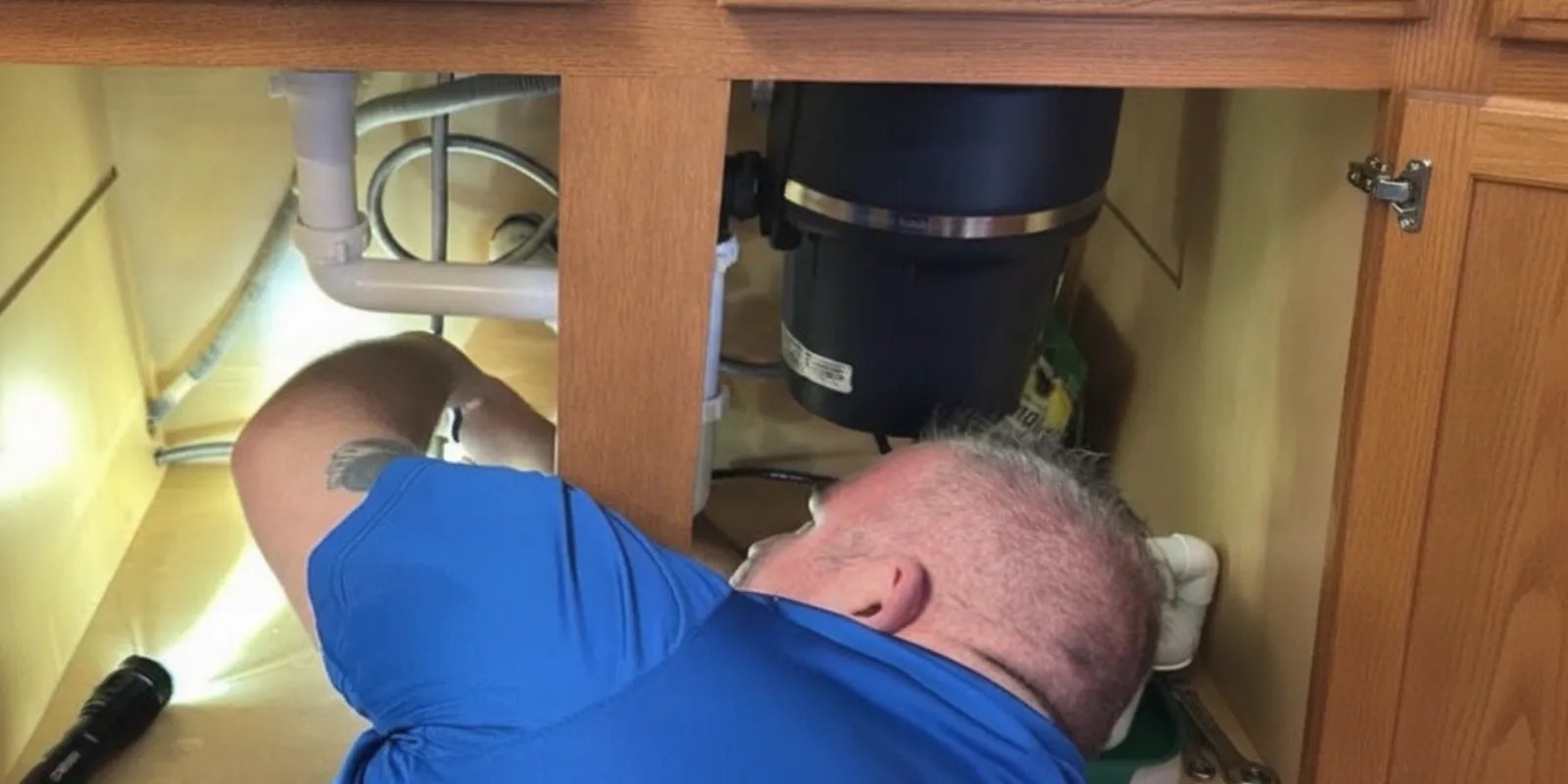
When a sink, tub, or floor drain stops flowing, one of the first questions is how much drain cleaning cost to expect. There is no single price that fits every clog: the location, cause, access, and work needed to restore flow all matter. Understanding those factors can help you describe the problem, compare an estimate with the work proposed, and decide what to do next.
Request help with a clogged drain
Why does drain cleaning cost vary?
Drain cleaning is not always one identical task. A small obstruction close to a sink opening may be straightforward to reach. A blockage farther along a branch line, a difficult-to-access cleanout, or repeated trouble may take more time to locate and address. A plumber needs to understand what is happening before recommending a method.
That is why a useful estimate should reflect the specific drain, symptoms, and proposed work rather than a generic promise. It should also make clear whether the recommendation is to clear a blockage, inspect the line, or discuss a larger repair. Those are different scopes of work. Tommie’s Plumbing handles drain cleaning and other plumbing work for homeowners in the Tri-Cities and Northeast Tennessee; you can read more about its drain cleaning service.
Where is the clog located?
The affected fixture is an important clue. A slow bathroom sink may have a buildup near its stopper or trap. A kitchen sink that drains slowly may have an obstruction in its branch piping. A tub or shower clog can involve hair and soap residue around the drain or farther down the line. These examples can help describe the symptoms, but they do not prove where a blockage is located.
If more than one fixture is backing up or draining slowly, the problem may involve a shared branch or a larger part of the drainage system. For example, a toilet, tub, and nearby sink acting up together can be more informative than one fixture alone. A plumber may need to check how the symptoms relate and choose an appropriate access point. This can take more investigation than addressing one isolated fixture.
Outside drains have different exposure and access conditions from indoor fixture drains. Leaves, soil, or other debris may affect an exterior drain, while a line that carries wastewater has a different function and may need a different evaluation. If the problem is outside, this guide explains when plumbers address outside drains.
How severe is the blockage?
A drain that is merely slower than usual may call for a different amount of work than one that has stopped completely or is backing up into a fixture. The blockage may also be loose and close to an opening, or compacted and located farther into the pipe. If previous attempts have only restored flow briefly, the cause may still be present.
Severity is not determined by how unpleasant the symptom looks. A small amount of standing water can accompany a stubborn obstruction, while a slow drain may have more than one contributing factor. Useful details include when the problem began, whether it is getting worse, which fixtures are affected, and whether water backs up when another fixture is used.
A recurring clog deserves attention to its cause, not only the immediate symptom. Repeated clearing may temporarily improve drainage without resolving buildup, a defect, or another condition in the line. Each return of the same problem is useful information to give the plumber. It may change whether simple clearing is a sensible next step or whether additional diagnosis should be discussed.
Which cleaning method is appropriate?
The method depends on the line, the suspected blockage, and the information available about the piping. A plumber may use a hand tool or a motorized cable to reach and break through an obstruction. In some situations, specialized equipment or further inspection may be considered. No single method fits every drain, and a more intensive method is not automatically the right choice.
Ask what the proposed method is intended to do. Is it meant to open the flow, remove buildup, or help identify a recurring problem? Ask whether the plumber has concerns about the pipe’s condition or needs to evaluate it before proceeding. A clear explanation connects the recommendation to the reported symptoms and the condition that can be observed.
Do not assume that every slow drain needs high-pressure cleaning or that a drain cable will address every underlying issue. Equipment selection should take account of the line and the problem. If the symptoms point beyond a routine clog, an evaluation may be needed before choosing a more involved service. The plumber should explain the next step and its purpose before work proceeds.
How do access and layout affect the work?
Access is another factor that can influence the time and effort involved. A readily accessible cleanout can make it easier to work on a line. If the available access is limited, a plumber may need to work from a fixture opening or find another appropriate way to reach the affected section. The home’s layout and the location of the drain line can affect how straightforward that process is.
Older or altered plumbing layouts may not match what a homeowner expects from looking at the fixture. A cleanout may be hidden, obstructed, or absent from the most convenient location. A plumber may need to inspect the area and determine a safe route to the line. Avoid removing plumbing parts or trying to create access yourself unless you know how to do so safely; a damaged connection can add another problem.
What if the clog keeps coming back?
A drain that repeatedly clogs may need more than another quick clearing. Possible factors include recurring material buildup, an obstruction farther along the line, a pipe condition, or a pattern of use. These are possibilities to investigate, not a diagnosis based only on a slow drain. Tell the plumber how often the problem returns and whether the same fixture or several drains are involved.
Some symptoms can help distinguish a localized fixture issue from a concern in a larger drain line. Several fixtures that gurgle, drain slowly, or back up around the same time are worth mentioning. Sewage odors or wastewater coming up through a drain also merit prompt attention. For a broader look at symptoms that can point to a sewer-line issue, see signs of a possible broken sewer line. The page is a guide to warning signs, not a substitute for an on-site diagnosis.
If a plumber finds that the problem involves damaged piping rather than a blockage that can be cleared, the next recommendation may involve repair. Learn about the separate scope of sewer line repair. Drain cleaning and line repair are not interchangeable; an estimate should distinguish between the work needed to restore flow and work to correct a pipe problem.
What should you ask before approving an estimate?
A good conversation helps you understand what is included and what would happen if the first step does not resolve the issue. Ask the plumber to explain the expected work in plain language. If the estimate is based on an initial evaluation, ask what is known now and what findings could change the recommended scope.
- Which drain or line will you work on? Confirm whether the work concerns one fixture, a branch line, or another section.
- What method do you recommend, and why? The answer should relate to the symptoms and the access available.
- What does the estimate include? Ask what work is covered and whether inspection or additional steps are separate.
- What if the drain is still blocked? Learn how the plumber will explain any next step before proceeding with additional work.
- Is this a recurring issue that needs diagnosis? Share prior attempts and ask whether more evaluation is appropriate.
- What should I do while waiting? Ask whether to stop using an affected fixture or take another precaution based on the symptoms.
When comparing estimates, compare the described scope and method as well as the amount. One estimate may cover a limited attempt to open a drain, while another may include a different method or additional evaluation. If the scope is unclear, ask for clarification rather than assuming the work is equivalent. The goal is to understand what is being recommended and why.
What details help a plumber give a useful estimate?
Before contacting a plumbing company, note which fixture is affected and how long the drain has been slow or blocked. Mention whether water drains at all, whether it backs up, and whether other fixtures have changed. If the problem comes and goes, say how often it returns and what seems to happen before it does.
Also share what has already been tried, including any drain products or tools. This can help the plumber understand the history and avoid repeating an unhelpful step. Do not mix chemical drain products or combine them with other cleaners. Follow product label directions, keep people and pets away from treated water, and tell the plumber what was used.
Clear the area around the affected sink, tub, or cleanout if you can do so safely. This makes it easier to see the fixture and discuss the symptoms. Avoid pulling apart pipes, forcing tools into an unknown line, or continuing to run water if it is backing up. When you are ready to request an appointment, Tommie’s Plumbing offers service scheduling information.
When should you seek help promptly?
Contact a plumber promptly when wastewater is backing up, multiple drains are affected, or a blockage is disrupting essential plumbing. If water is overflowing, stop using the fixtures connected to the affected line and protect the surrounding area if it is safe to do so. Do not touch electrical equipment or outlets near standing water.
A single slow drain that still works may be less urgent than sewage coming into the home, but do not ignore a problem that worsens or keeps returning. The timing also depends on what the drain serves and whether there is a risk of damage or unsanitary conditions. Describe the symptoms when you call so the company can understand the situation and advise on next steps.
When is a do-it-yourself step not enough?
A visible hair or food strainer can be emptied safely, and removing debris from a removable sink stopper may help when the obstruction is right at the opening. Work gently and stop if the part does not come free as expected. Avoid pushing an unknown object deeper into a pipe or forcing a tool through a drain; that can damage a fixture or make the obstruction harder to reach.
A plunger may help with some fixture clogs when used correctly, but it is not a reliable way to identify the cause. Choose the right type for the fixture, follow its instructions, and avoid using it if chemical drain cleaner is present in the standing water. Splashing treated water can injure skin or eyes. Never combine drain chemicals or add another product to a drain that has already been treated.
Stop and seek professional guidance when a clog will not clear with a reasonable, safe attempt, when several drains are affected, or when water or sewage is backing up. Also call for help if you suspect a leak, notice a strong sewage odor, or are unsure what product is in the drain. Describe what you tried and when you tried it. This helps the plumber choose an appropriate next step and avoids exposing anyone to a chemical that may remain in the line.
DIY efforts are not always less expensive if they damage a fixture, worsen a blockage, or delay attention to a larger problem. The purpose of a basic check is to address an obvious and accessible obstruction without force, not to take apart plumbing or diagnose a hidden line. When the cause is unclear, an evaluation can help determine what work is actually needed.
How can you reduce repeat clogs?
Everyday habits can help reduce some common obstructions, though they cannot prevent every plumbing problem. Use a suitable drain strainer where hair or food scraps are likely to enter the drain, and empty it regularly. Keep grease, oil, and food waste out of kitchen drains. Avoid treating a garbage disposal as a way to send all food scraps down the plumbing.
In bathrooms, remove hair from a strainer rather than washing it into the drain. Use fixtures as intended and pay attention to changes in drainage. If a drain repeatedly slows despite reasonable care, do not rely on repeated chemical treatments or forceful plunging as a substitute for finding out why. A plumber can assess whether the issue appears local to the fixture or farther along the line.
For more background on common drain problems, read about why a sink may drain slowly or how plumbers may clean drain pipes. These guides can help you describe what you notice, but the actual cause depends on the plumbing and symptoms in your home.
Frequently asked questions
Can I know the drain cleaning cost before a plumber sees the drain?
You can describe the symptoms and ask how estimates are handled, but the exact work may depend on the clog’s location, access, and cause. A plumber may need to evaluate the affected fixture or line before recommending a method and explaining the scope. Do not assume an advertised general price covers a different problem or additional work.
Does a slow drain always need professional cleaning?
Not every slow drain requires the same response. A simple obstruction near a fixture may differ from a recurring blockage or a problem affecting multiple drains. If a basic, safe cleaning step does not help, the issue returns, or other fixtures are involved, ask a plumber to evaluate it rather than guessing at the cause.
Why does a drain clog again after it has been cleared?
The immediate blockage may have been opened without removing the source of repeated trouble, or the problem may be farther down the line. The type and location of the cause cannot be confirmed from recurrence alone. Tell the plumber how soon the clog returned and whether the same or other fixtures are affected.
Is drain cleaning the same as sewer line repair?
No. Drain cleaning aims to clear an obstruction and restore flow. Sewer line repair addresses a problem with the pipe itself. A plumber can explain whether the symptoms point to routine cleaning, further diagnosis, or a separate repair recommendation.
Contact Tommie’s Plumbing about your drain
For homeowners in Greeneville, Johnson City, Kingsport, Bristol, and nearby Northeast Tennessee communities, clear symptoms and a clear explanation of the proposed work make it easier to plan the next step. Tommie’s Plumbing brings more than 30 years of trade experience to plumbing repairs and service, and its team can help evaluate a drain problem and explain the work recommended for your home.