

A running toilet is more than an annoying sound in the background. It wastes a surprising amount of water and can increase your utility bill if left unchecked. In many Tennessee homes, this issue comes down to a few parts inside the toilet tank that are not sealing properly or not shutting off water flow when they should. At Tommie’s Plumbing, we handle this problem often, and in many cases, it’s a simple fix. The key is knowing what to look for inside the tank and making the right adjustment or replacement.
What Causes a Running Toilet?
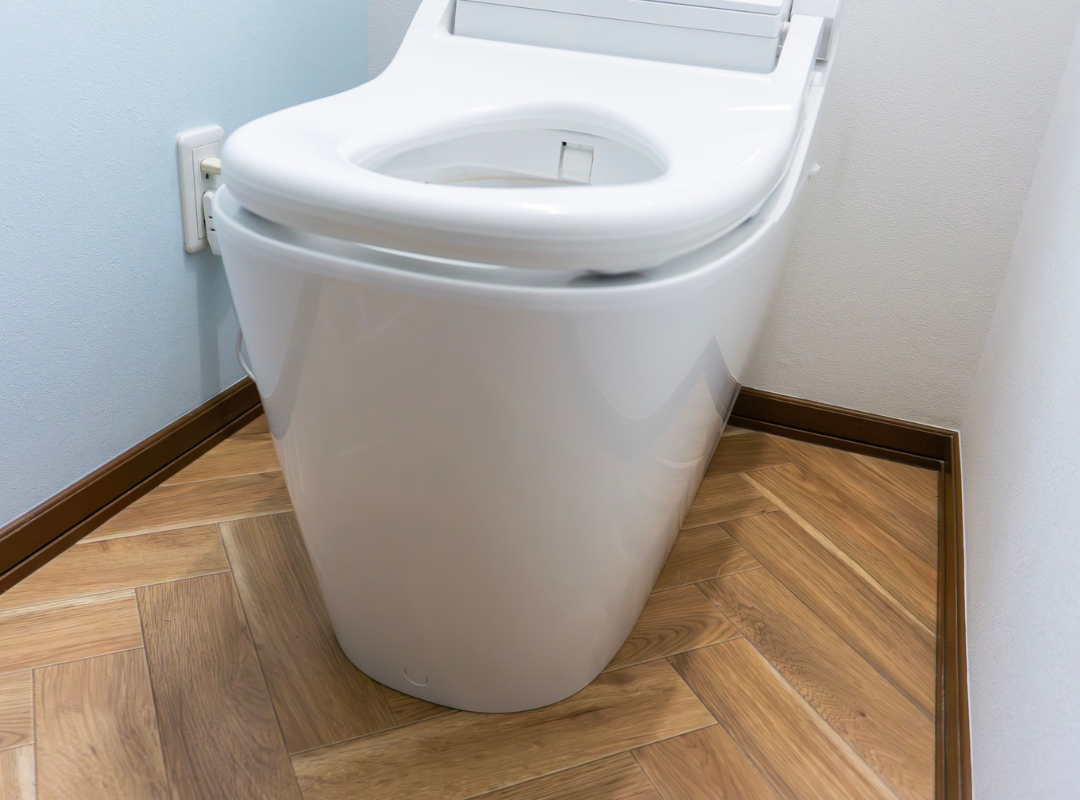
When a toilet keeps running, it usually means water is continuously moving from the tank into the bowl. This happens when one of the internal components is not working as it should.
The most common cause is a worn flapper valve. This rubber piece sits at the bottom of the tank and controls the release of water during a flush. If it is not sealing properly, water keeps leaking into the bowl.
Other causes include issues with the fill valve, an improperly set float, or mineral buildup affecting moving parts. In some cases, the chain connected to the flush handle gets caught or has too much slack. Regular inspection and upkeep are part of proper plumbing maintenance that helps prevent issues like this from developing.
How to Fix Running Toilets Step by Step?
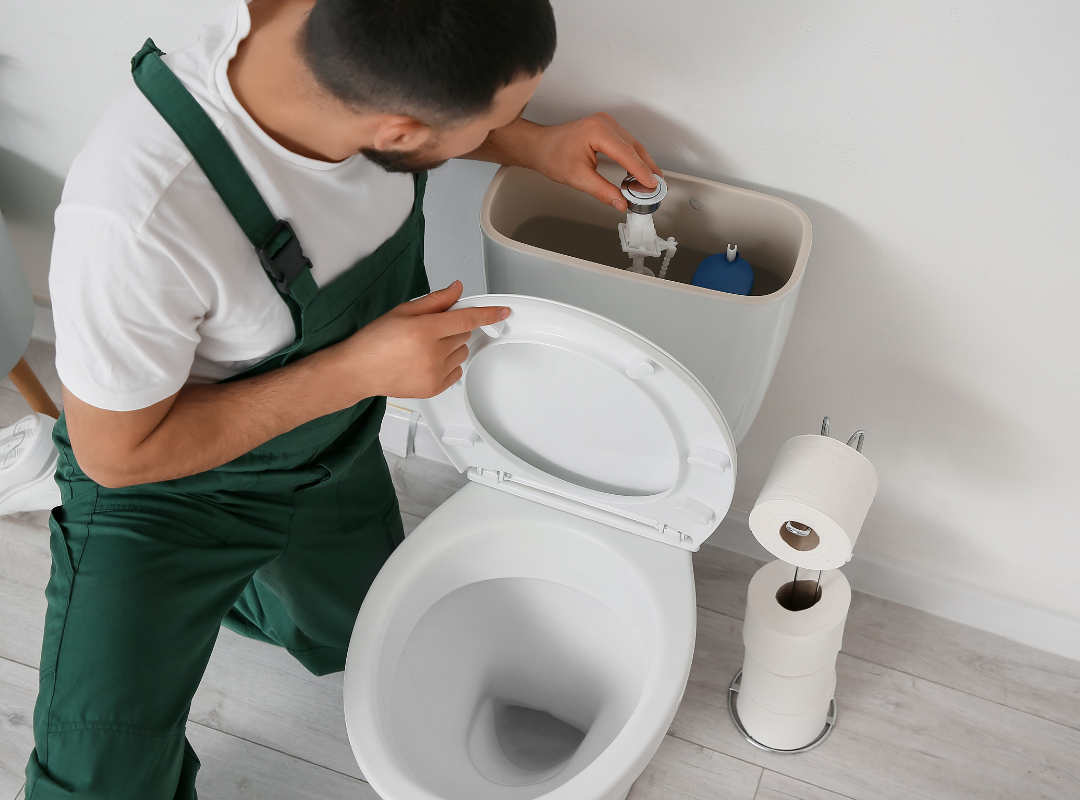
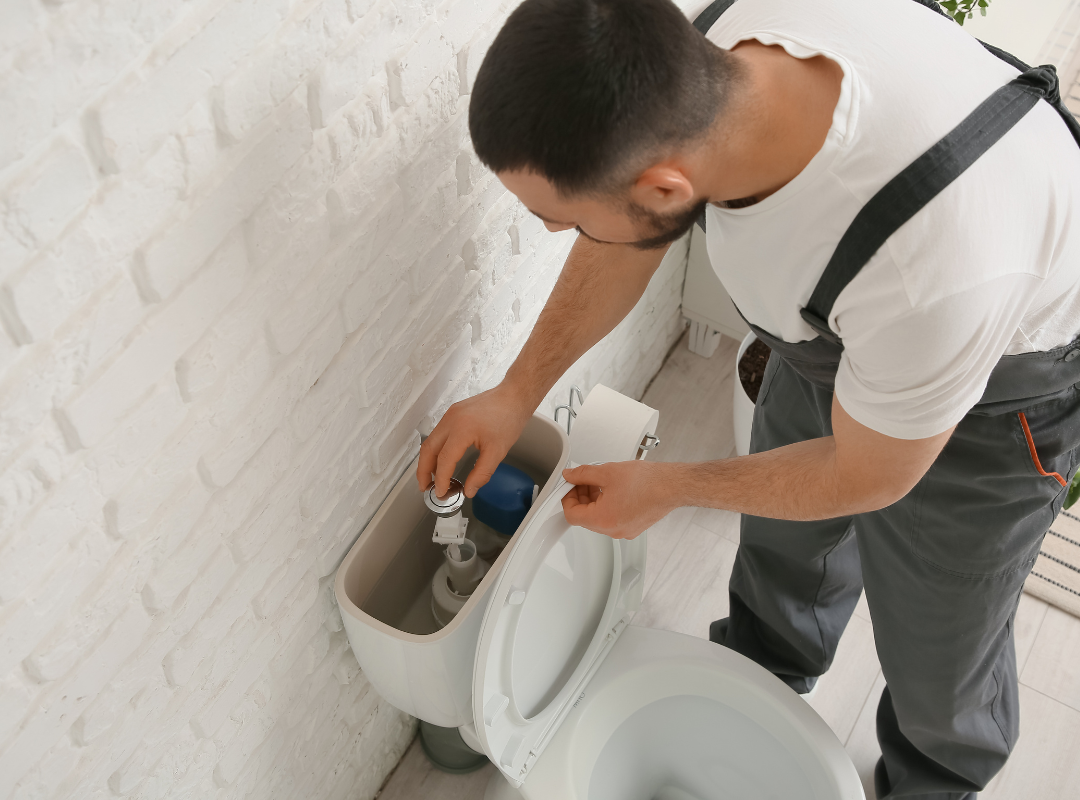
Before starting, remove the toilet tank lid and set it aside carefully. Everything you need to inspect is inside.
Step 1: Check the Flapper Valve
Start with the flapper valve at the bottom of the tank. Flush the toilet and watch it lift and close.
- If the flapper looks worn or the rubber feels stiff, it likely needs to be replaced.
- If it does not sit flat, it may not be sealing properly
- If the chain is too tight or too loose, adjust it so the flapper can close fully
Replacing a flapper is inexpensive and available at any hardware store. Make sure the replacement matches your toilet model.
Step 2: Inspect the Fill Valve
The fill valve controls how the tank fills after each flush. If it is not shutting off properly, the tank continues to fill.
Watch the water level as the tank fills. If water keeps flowing into the overflow tube, the fill valve may need adjustment or replacement.
You can adjust the float attached to the fill valve. Lowering the float will lower the water level and help it stop at the right point.
Step 3: Adjust the Water Level
The correct water level is usually about an inch below the top of the overflow tube.
If the water level is too high, it will spill into the overflow tube, causing a running toilet. Adjust the float by turning the adjustment screw or sliding the clip, depending on the design. This small adjustment often solves the problem without needing replacement parts.
Step 4: Check the Chain and Flush Handle
The chain connects the flush handle to the flapper valve. If it is too tight, the flapper may not close fully. If it is too loose, it may get caught under the flapper. Make sure there is a slight slack in the chain. This allows the flapper to sit flat and create a proper seal.
Also, check the flush handle. If it feels loose or sticks, tighten the mounting nut inside the tank. If internal parts continue to malfunction, it may be time to consider guidance on choosing the right plumber for a proper long-term fix.
Is Replacing Parts a Simple Fix?
In many cases, yes. Replacing a flapper or fill valve is a straightforward repair. Most homeowners can handle it with basic tools and a little patience.
A flapper replacement takes only a few minutes. A fill valve replacement takes a bit longer, but it’s still manageable if you follow the instructions carefully.
At Tommie’s Plumbing, we often guide homeowners through these simple fixes, and many are surprised at how quickly the running stops. Knowing when a repair is straightforward versus complex is part of recognizing common plumbing problems early.
What If the Toilet Keeps Running?
If you have adjusted the float and replaced the flapper, but the toilet is still running, there may be another issue.
- Mineral buildup inside the valve can prevent proper movement
- The flush valve seat may be damaged,d preventing a proper seal
- There could be small leaks around connections inside the tank
Cleaning mineral buildup can sometimes help. If parts look worn or damaged beyond a simple fix, replacement is the better option. In cases like these, it is often best to consult a professional and licensed plumber to avoid further damage.
When Should You Call a Plumber?
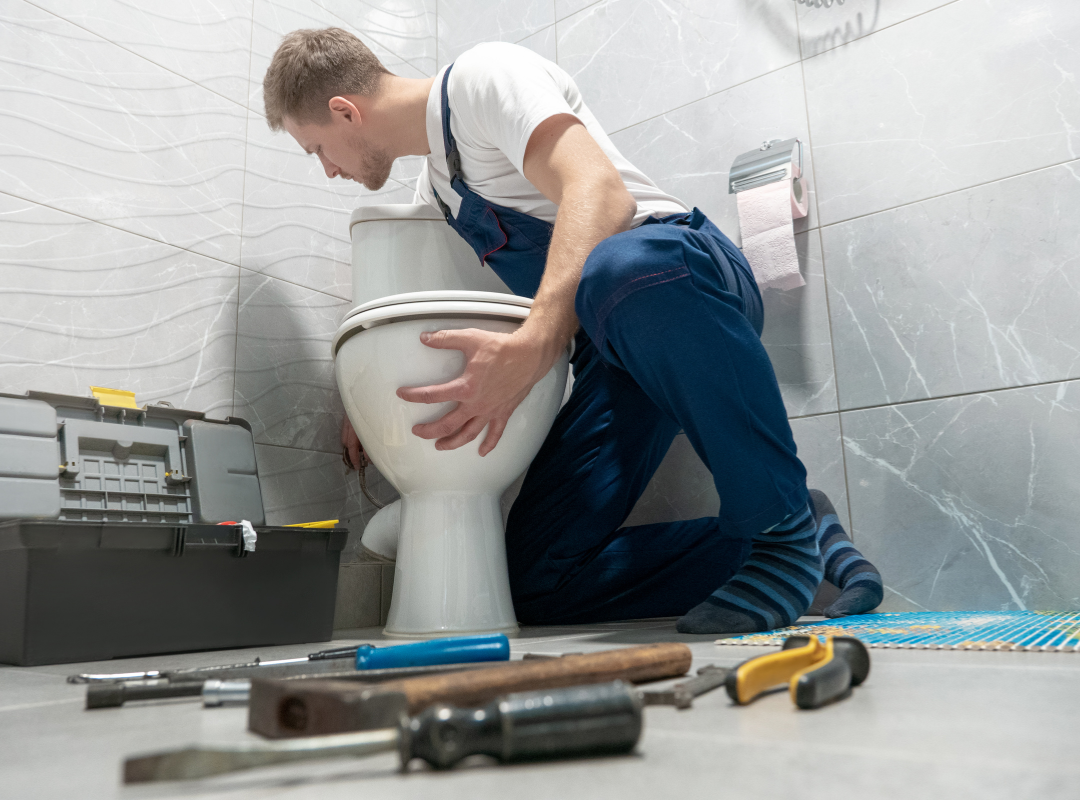
Some situations call for professional help. If you notice water leaking outside the tank, cracks in the tank, or issues that do not improve after replacing common parts, it is time to call a plumber.
Also, if you are not comfortable shutting off the water supply or removing internal parts, it is better to avoid risk. Improper handling can lead to leaks or damage.
We handle these cases regularly at Tommie’s Plumbing. A quick inspection often reveals the exact problem and prevents further water waste.
How to Prevent a Running Toilet?
A little maintenance goes a long way in preventing this issue.
- Check the flapper every few months for signs of wear
- Keep an eye on the water level inside the tank
- Clean parts if you notice mineral buildup
These small steps help keep everything working smoothly and reduce the risk of a running toilet.
Why Is a Running Toilet a Bigger Problem Than It Seems?
It might seem like a minor issue, but a running toilet can waste hundreds of gallons of water each week. Over time, that adds up on your water bill and puts unnecessary strain on your plumbing system.
Fixing it early saves money and prevents more costly repairs later. At Tommie’s Plumbing, we always recommend addressing the problem as soon as you hear that constant running sound.
Conclusion
Learning how to fix running toilet issues starts with understanding what is happening inside the tank. Most problems stem from a worn flapper valve, an improperly adjusted float, or a faulty fill valve.
Start by inspecting these parts and making simple adjustments. Replace worn components when needed and test the toilet after each step. This practical approach solves most issues without much effort.
If the problem continues or you notice leaks beyond the tank, professional help is the safest route. A proper repair keeps your toilet working efficiently and prevents wasted water.
Need Help with a Running Toilet? Call Tommies’ Plumbing
If your toilet keeps running and you want a reliable fix, we are here to help. At Tommie’s Plumbing, we provide toilet repair, leak detection, and full plumbing services across Greenville, TN. Call us at (423) 638 3662 or visit our office at 1665 East Andrew Johnson Highway, Suite 1, Greeneville, TN 37745. We handle everything from simple fixes to complete repairs. Contact us now!
FAQs
How do you fix a toilet that keeps running?
Check the flapper valve, adjust the float, and inspect the fill valve. Replacing worn parts usually stops the running.
How do you quickly fix a running toilet?
A quick fix is adjusting the chain or float inside the tank so the flapper can seal properly and stop water flow.
What is the most common cause of a constantly running toilet?
A worn or misaligned flapper valve is the most common cause. It allows water to leak from the tank into the bowl.
How to fix a running toilet without a plumber?
You can fix it by replacing the flapper, adjusting the water level, or cleaning mineral buildup from the valve components.
Does Tommie’s Plumbing serve Greenville, TN, for toilet repair?
Yes, we provide full toilet repair and plumbing services in Kingsport, TN, including fixing running toilets and replacing faulty parts.