

The average family uses well over 300 gallons of water per day indoors alone. That is a massive amount of clean water flowing straight down the drain. The truth is, you do not need to drastically change your lifestyle to conserve water. With a few strategic adjustments, routine maintenance, and smarter habits, you can easily save water at home. Understand how to save water at home without sacrificing comfort. Let’s learn a few tricks.
Stop the Faucet Run for Immediate Savings
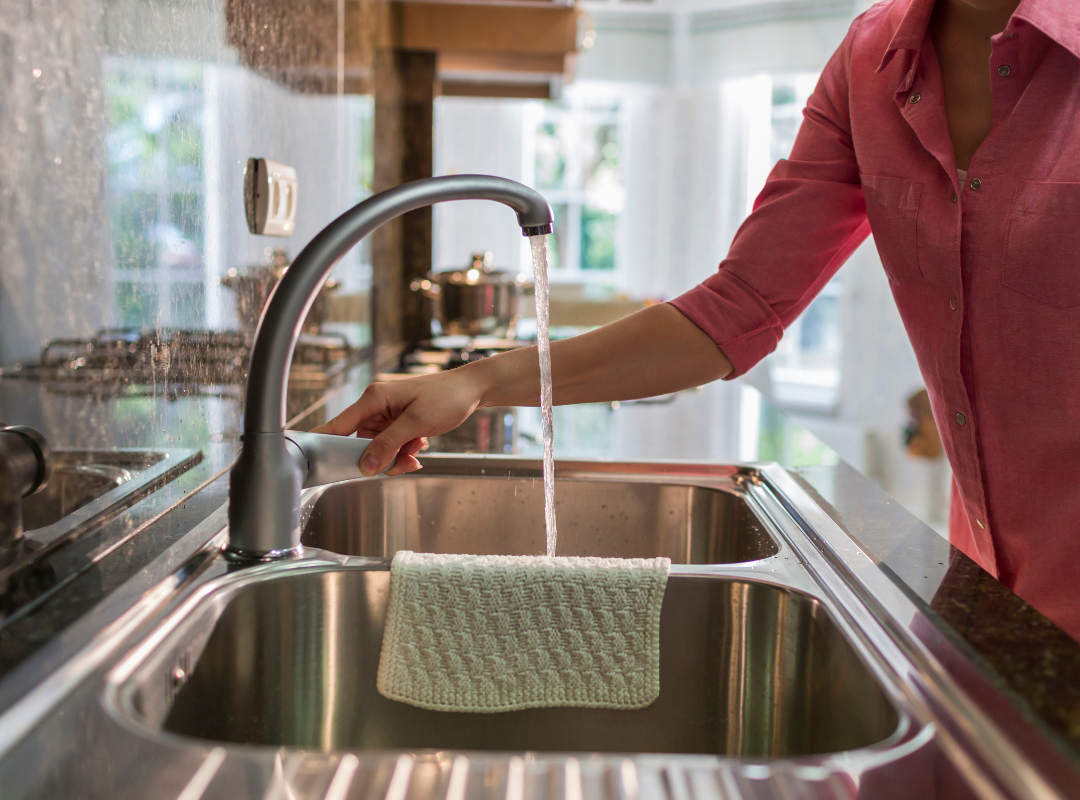
Letting the faucet run while brushing your teeth, for example, wastes up to 4 gallons of water per minute. If you brush for the recommended two minutes, twice a day, that is 16 gallons per person, per day.
- Turn off the tap = Instant savings.
- Smarter rinsing = Better water efficiency.
Why? Because heating that water also costs energy. So, you lower both your water and electricity bills at once. When you are mindful of the tap, you use significantly less water for the same hygiene routines.
Homeowners struggling with excessive flow rates may benefit from reviewing and maintaining optimal water pressure for additional water-saving strategies.
Fix Leaks to Conserve Water & Save Money
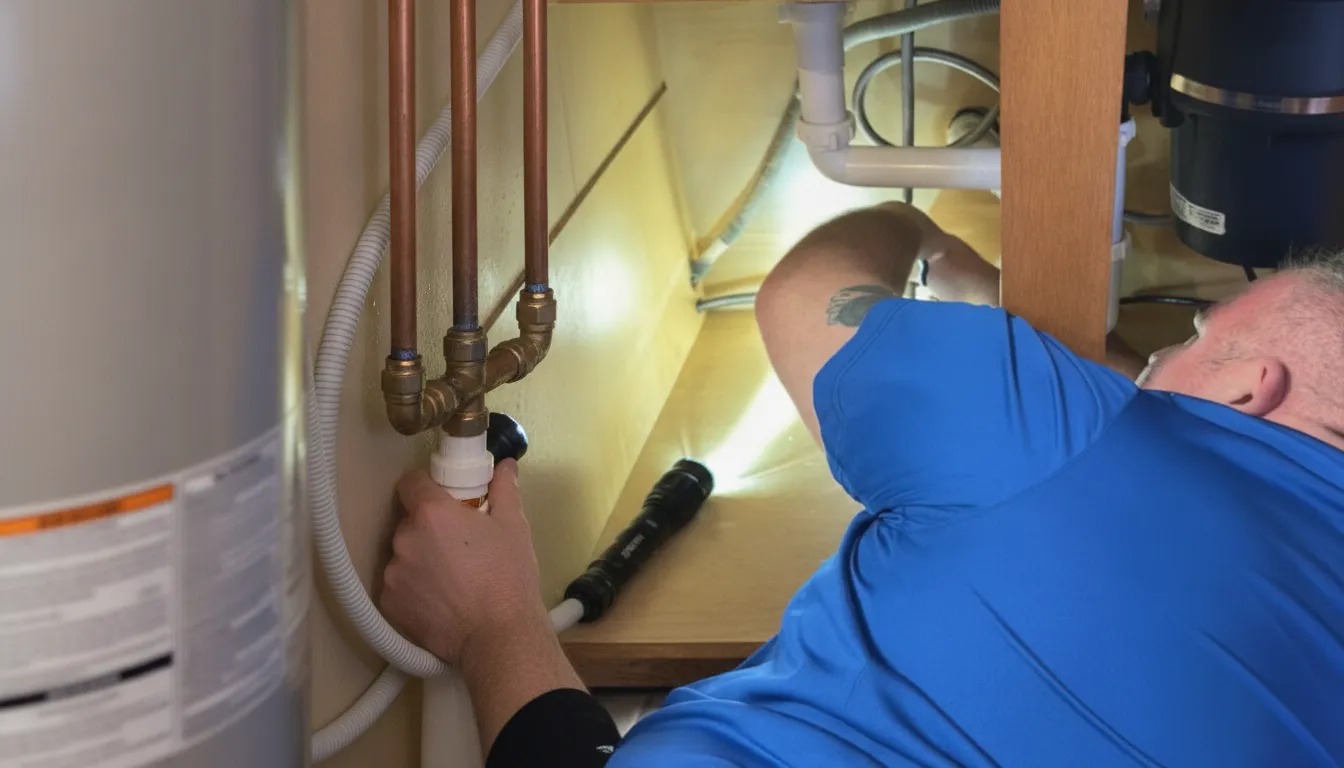
A fast drip from a worn-out valve can waste up to 3,000 gallons a year. Inspecting the pipes below your sink ensures you catch hidden leaks before they rot your cabinets. Hence, routine maintenance equals excellent performance. If you see a leak, fix it immediately.
If you want to save money, tracking down and repairing these minor drips is non-negotiable. Learning how to fix a dripping faucet can prevent unnecessary water waste and rising utility bills.

Tackle Toilet Leaks to Stop Flushing Away Gallons
What happens when the tank isn’t holding water correctly? Toilet leaks are often silent; gallons of water can slip down the drain without you ever hearing a sound.
To test your plumbing, try the food coloring trick. Drop a few drops of food coloring into the toilet tank. Wait about 15 to 20 minutes. If you see color seeping into the bowl without flushing, you leak. Usually, this means the rubber flapper needs to be replaced.
Even a small toilet leak can waste hundreds of gallons of water every month. Among the water waste, it will increase your utility bill without warning. Replacing a worn flapper is usually an inexpensive fix that restores proper sealing inside the tank.
Regularly checking for leaks helps conserve water, improves toilet performance, and prevents unnecessary strain on your plumbing system.
Upgrade to Faucet Aerators & Shorter Showers
Showers account for nearly 17% of residential indoor water usage. Taking shorter showers is an incredibly effective way to cut back. If you can reduce your shower time from 10 minutes to 5 minutes, you will use half as much water as in your usual routine.
- Faucet aerators = High pressure, less flow.
- Low-flow showerheads = Big impact.
You get to enjoy your daily shower while doing your part to save water. Many silent leaks are connected to common plumbing problems that homeowners often overlook until water bills increase.
Wash Only What You Need
Running these appliances when they are only half full is a major source of water waste. To maximize water efficiency, run them only when they are fully loaded.
A dishwasher uses the same amount of water whether it has five plates or fifty. Wait until it is full before you run the wash. Don’t run a massive cycle for two shirts. Wait until you have a full load to justify the water use.
If you are in the market for new appliances, look for an Energy Star-certified clothes washer or dishwasher. They use 20% less energy and about 30% less water than standard models, making it much easier to save water at home.
Small Changes Make a Big Impact
You don’t need to stop enjoying long showers or stop watering your garden entirely. You just need to be smarter about how you operate. With these tips, you will protect a vital natural resource, maintain clean water for your community, and enjoy a much lower water bill at the end of the month.
If your fixtures continue to produce excessive pressure, reviewing high water-pressure solutions can help protect your plumbing system and reduce waste.
Stop Common Water Leaks with Tommie’s Plumbing
Water leaks can occur for many reasons, including aging pipes and worn-out fixtures, clogged drains, high water pressure, or damaged water lines. Even a small leak can waste water and cause costly damage over time if left unchecked.
At Tommie’s Plumbing, we help homeowners throughout the Tri-Cities area identify plumbing issues early and provide lasting repairs that keep systems working properly. Contact us today or visit our office at 1665 East Andrew Johnson Highway, Suite 1, Greeneville, TN. 37745.
Frequently Asked Questions
Q1: How much water can I really save by fixing a leaky faucet?
A: A leaky faucet might not look like much, but a fast drip can waste upwards of 3,000 gallons of water a year. If you cannot seem to stop the leak yourself, the experienced team at Tommie’s Plumbing Johnson City can quickly diagnose and repair the issue to get your utility bill back on track.
Q2: Are low-flow showerheads actually worth it?
A: Yes, absolutely. Modern low-flow showerheads are engineered to maintain excellent water pressure while reducing your gallons per minute by up to 50%. If you live in older homes in Bristol where water pressure fluctuates, upgrading your fixtures is a great way to stabilize flow while conserving resources.
Q3: Does using a dishwasher really save more water than washing by hand?
A: Surprisingly, yes! Modern Energy Star dishwashers use roughly 3 to 4 gallons of water per cycle. To ensure your kitchen plumbing is set up for maximum efficiency, Tommie’s Plumbing can help properly install your new, water-saving appliances.
Q4: How can I lower my outdoor water use during the summer?
A: The best strategy is to water your lawn early in the morning to reduce evaporation. Also, skip the hose when cleaning your driveway. For homeowners in Kingsport facing dry summer spells, installing smart irrigation systems can drastically reduce unnecessary water use.
Q5: How do I know if my toilet has a hidden leak?
A: The easiest way is the food coloring test. Put a few drops into the toilet tank and wait 15 minutes without flushing. If color bleeds into the bowl, you have a leak, likely caused by a worn flapper. If you need assistance replacing internal tank components, Tommie’s Plumbing offers fast and reliable repairs to stop the waste.