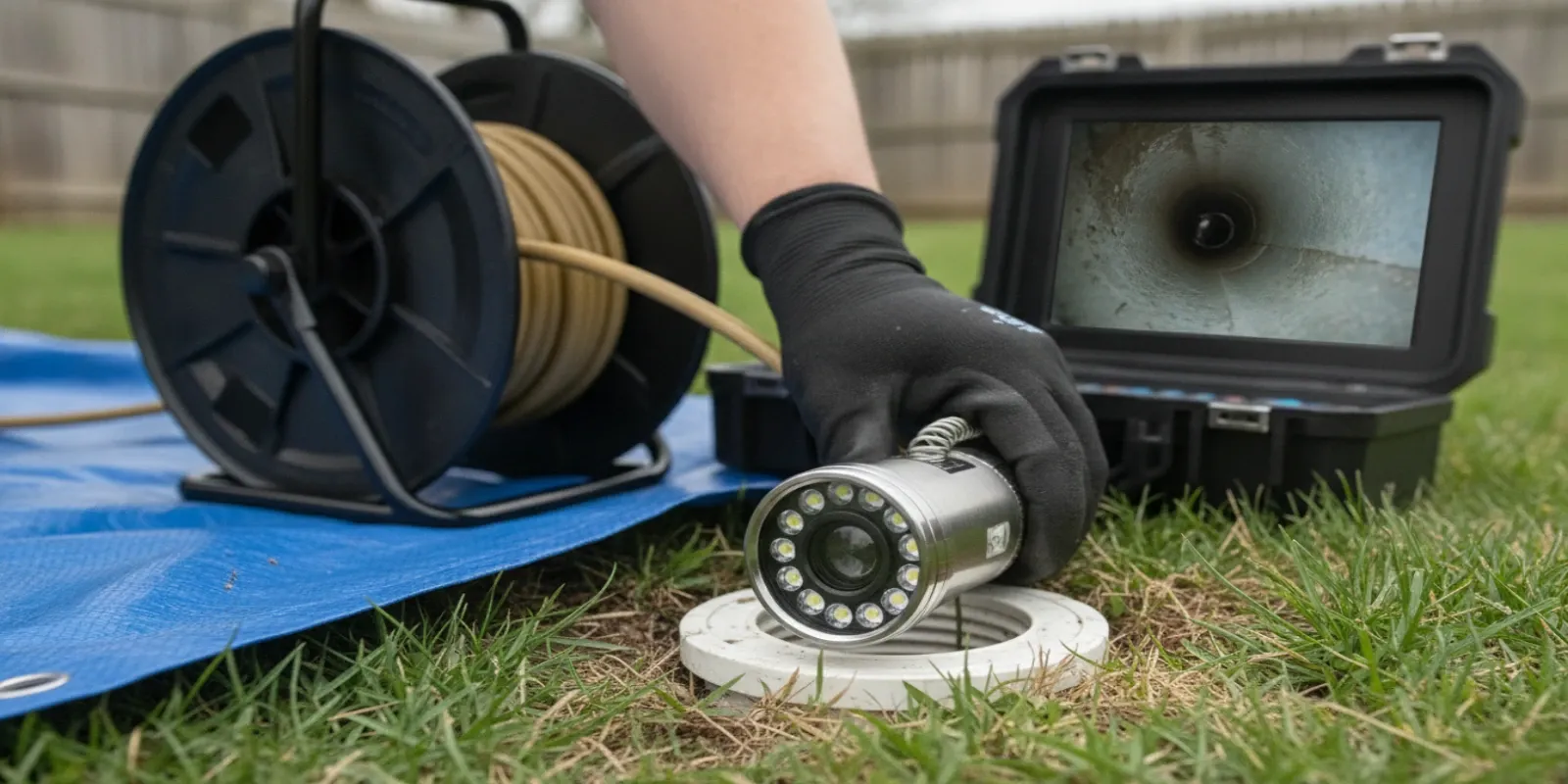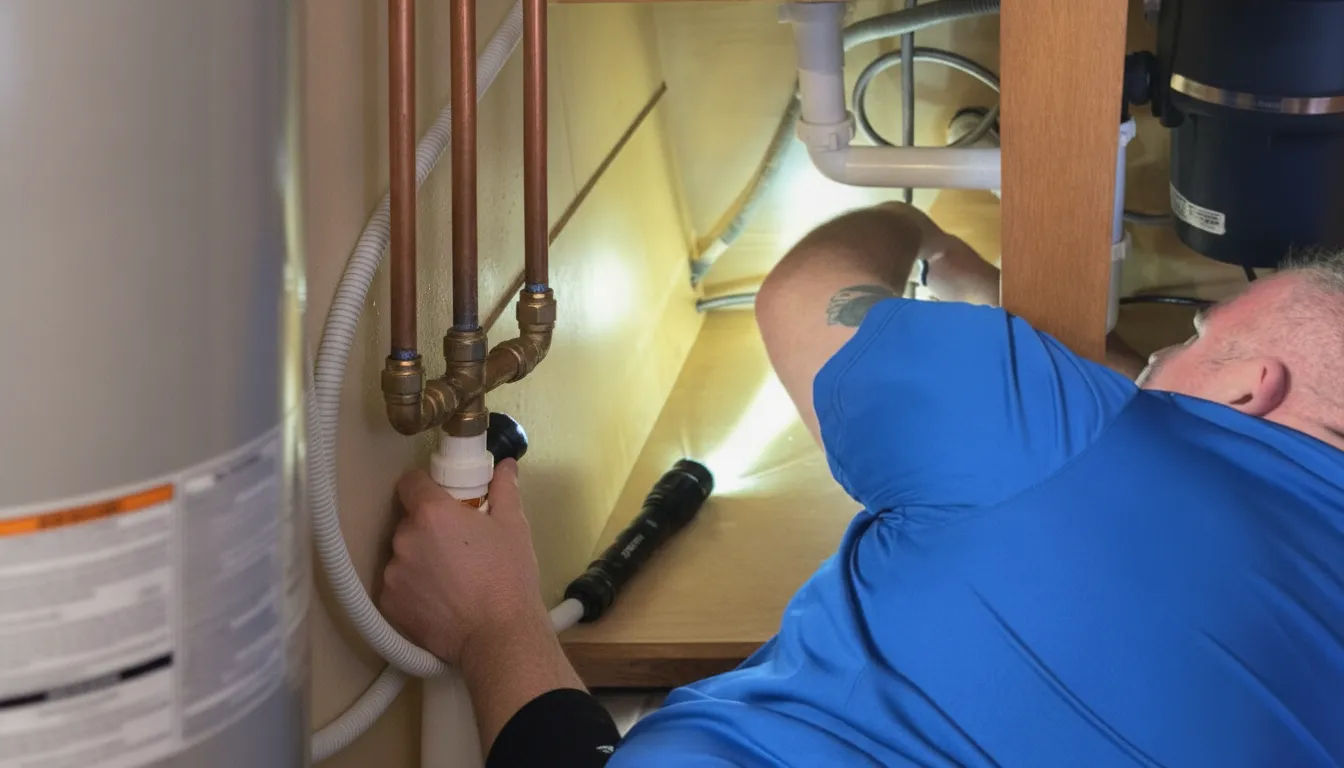
A sewer project is easier to manage when you understand the questions before any ground is disturbed. For a homeowner in Northeast Tennessee, the first step is usually clarifying whether the property needs a new line, a replacement for a damaged or corroded line, or a different plumbing repair altogether.
Request a sewer-line installation assessment
Sewer line installation is a planning process. It can include assessing the existing line, confirming the route and access, defining the work area, and discussing how the property may be restored afterward. The right scope depends on the home, the line, and the conditions found during assessment.
Tommie’s Plumbing serves homeowners across the Tri-Cities and Northeast Tennessee, with more than 30 years of plumbing trade experience. A careful conversation about the line’s condition, ownership, access, and project boundaries can help you make informed decisions before work begins. Here is what that process may involve.
What Does Sewer Line Installation Involve?
Sewer line installation is the planned work of creating or replacing the pipe that carries wastewater from a building toward the public sewer system. For a homeowner, that may mean a new connection on a property, or replacement of a damaged or corroded line. Tommie’s Plumbing lists sewer-line replacement and plumbing services among its work, but the exact scope depends on the property and the condition of the existing system.
Private service line versus public sewer main
The private portion is often called a service line, lateral, or side sewer. It generally runs from the building to the public sewer mainline. A side sewer or service line is generally the privately owned pipe carrying wastewater from a building toward the public sewer mainline. The public main is the larger shared system that receives flow from connected properties. Knowing where the private line ends and the public system begins matters when discussing responsibility, access, and the work area. Local ownership and project requirements should be confirmed for the specific property.
Installation is different from a symptom-only repair. A slow drain or sewer odor may prompt investigation, but those signs do not by themselves establish that a new line is needed. A planning conversation should clarify whether the project involves a new connection, replacement of an existing private line, or another repair. Homeowners who are still determining whether a problem may involve the sewer line can review the signs of a broken sewer line as background, then seek property-specific guidance.
How sewer work differs from septic work
Sewer line installation is centered on a connection to a public sewer main. Septic work concerns a separate private wastewater arrangement, so it should not be treated as another name for sewer installation. Keeping those projects distinct helps a homeowner ask the right questions and prevents a general sewer-planning guide from implying that septic tank installation is part of the project.
Tommie’s Plumbing serves families and businesses across the Tri-Cities and Northeast Tennessee. For a property-specific plan, the useful next step is an assessment that explains what work is actually indicated before installation decisions are made.
How Do You Know Whether Installation or Replacement Is Needed?
A sewer problem does not automatically mean the entire line needs to be replaced. The first useful step is an assessment that separates a correctable repair from a larger replacement project or a new-line installation plan. That distinction matters because the work may affect the route, access points, property surfaces, and coordination with other parties.
Start by documenting what has changed and where the problem appears. If you are noticing recurring drainage trouble or other warning signs, review Tommie’s guide to signs of a broken sewer line. That article is useful background, but symptoms alone do not establish the right project scope. A professional assessment should consider whether the concern is isolated, whether the existing line is damaged or corroded, and whether replacement is more appropriate than repeated repairs. Tommie’s Plumbing lists sewer-line replacement for damaged or corroded lines, while the final recommendation depends on the conditions found at the property.
Ask the plumber to explain what the assessment confirms and what remains uncertain. Useful questions include: Which portion of the system is involved? Is the proposed work a repair, replacement, or installation of a new connection? What access will the work require? Which parts of the scope affect the home, the property, or the public sewer connection? These questions help you compare options without assuming a particular installation method.
Planning also includes understanding who is responsible for arranging the work. In an EPA case study, the homeowner contracted for the service-line work, and the utility inspected the replaced line afterward. That example illustrates why contractor coordination and any applicable local process should be confirmed for your property, rather than assumed from another community. For local plumbing repairs and sewer-line replacement, you can review Tommie’s sewer-line replacement and plumbing services and discuss the next step with the team.
What Should You Check Before Sewer Line Installation?
Before any digging begins, make sure you understand which pipe is involved, who may be responsible for it, and what access the work could require. A sewer line can run from the home toward a public main, across part of the property, or through an easement. The details vary by property, so treat the following as questions to verify rather than universal Northeast Tennessee rules.
Where does the existing line run?
Ask how the proposed route was identified and whether the work involves a private service line, a connection to the public main, or another section of the system. A side sewer or service line is generally the privately owned pipe carrying wastewater from a building toward the public sewer mainline. Knowing where it is located is useful planning guidance, but that general description does not establish ownership or requirements for your property. Confirm the route with the appropriate local utility and a qualified professional.
Who owns each section?
Do not assume that every pipe between the house and the street has the same owner. Ask where private responsibility ends, where utility responsibility begins, and whether a municipality or utility must inspect or approve a connection. The EPA describes a sewer service-line replacement program in which the homeowner contracts for the work and the utility inspects the replaced line. That example shows why responsibility and inspection should be clarified before scheduling, not assumed from a general article.
Could the line be shared?
Ask whether a neighbor uses any portion of the line or whether the proposed route crosses shared property. A side sewer may be shared with a neighbor, which can require coordination when repairs are needed. If shared ownership or access is possible, identify who must be contacted and what written permissions may be needed.
What local approvals and access issues apply?
Confirm with the local utility or permitting authority whether this specific project requires a permit, inspection, utility locating, easement review, or other approval. Also discuss driveways, landscaping, structures, and access across neighboring property before work starts. A clear scope should explain what the plumber knows, what remains subject to local confirmation, and how questions about restoration will be handled.
What Are the Main Stages of a Sewer Line Installation Project?
A sewer line installation project is easier to manage when the work is treated as a sequence rather than one large digging job. The exact route, access plan, construction approach, inspection process, and restoration needs depend on the property and local requirements. A typical project may move through these stages:
- Assess the existing situation. The plumber first determines whether the property needs a new line, a replacement for a damaged or corroded line, or a different repair. This may include reviewing symptoms, the relationship between the building and the public sewer main, and the condition or location of the existing pipe. An EPA case study describes a service line as the connection from a home to the sewer main, but property-specific responsibility and scope still need to be confirmed.
- Plan the route and project scope. The route is considered from the building toward the point of connection. Planning should account for known access limitations, structures, landscaping, shared lines, and any requirements that apply to the property. For new construction, the sewer pipe may be planned as part of the broader construction process. Before work begins, ask which portions are included and which details remain subject to site conditions.
- Confirm access and preparation. The contractor and homeowner clarify how the work area will be reached and what must be moved or protected. Utility coordination, permits, easements, and ownership questions should be verified with the appropriate local parties rather than assumed from a general online description.
- Install or replace the line. The planned work is completed using a method appropriate to the site and approved scope. Tommie’s Plumbing lists installations and replacements among its plumbing work, but its general service information does not establish a specific construction method. Do not assume a trenchless approach or another technique until it has been discussed for the property.
- Inspect and confirm the connection. The completed line may need inspection or approval by the relevant utility or authority. In the EPA example, the utility inspected the service line after a plumber replaced it. The required inspection steps can vary, so confirm who performs them and what documentation is needed.
- Restore the affected area. Once the work and inspection requirements are complete, the project may include restoring surfaces or landscaping affected by access. Restoration is a scope question, not an automatic promise. Ask what the contractor will handle and what the homeowner may need to arrange separately.
| Planning stage | What to clarify |
|---|---|
| Assessment | Which section is involved, and is the need repair, replacement, or new installation? |
| Route and access | Where will the work occur, and what property, shared-line, or authority questions apply? |
| Scope and restoration | What work, inspection steps, access preparation, and surface restoration are included? |
How Can You Plan Access and Property Restoration?
Access planning is part of the sewer project, not a detail to leave until work begins. Start by asking where the existing line runs, which portions serve your home, and whether the route crosses a driveway, landscaped area, retaining feature, outbuilding, or other structure. It is useful to identify where a privately owned side sewer is located and whether it may be shared with a neighbor. Those are planning questions, but the actual route and ownership for a Northeast Tennessee property must be confirmed on site.
Ask whether the proposed route involves an easement, public right of way, or shared access. A lateral may run from a building to a mainline in the street or in an easement, and it may be privately owned by the property it serves. Those details do not establish local rules, so confirm the arrangement for your property. Before any sewer line installation, confirm local requirements, access permissions, utility-locate responsibilities, and ownership questions with the plumber and the appropriate local authorities.
Questions to ask about restoration
- Which areas may need to be opened to reach the line?
- How will the plan address landscaping, paving, driveways, walkways, or nearby structures?
- What backfill approach and surface restoration are included in the written scope?
- Which restoration materials, finish standards, or follow-up work remain the homeowner’s responsibility?
Do not assume that a particular digging method, backfill material, or finished surface is included. Ask for those items to be described clearly before approving the project. A careful assessment can separate the plumbing work from restoration decisions and help you plan for shared access or property coordination.
How Much Does Sewer Line Installation Cost?
There is no responsible single price for sewer line installation because each property presents a different scope. The estimate can change based on the length and route of the line, how easily the work area can be reached, and the condition of existing piping. Connections to the home and sewer main, plus property-specific requirements, can also affect the scope. Local requirements should be verified for the individual site rather than assumed from a general online guide.
Existing conditions also matter. A damaged or corroded line may call for replacement planning, while a new installation may involve a different route and set of site questions. Before work begins, an on-site assessment can help clarify what is present, where the line may run, what access is practical, and which parts of the project belong in the scope. Tommie’s Plumbing describes estimates as on-site and may present Good, Better, and Best options, but no exact installation price is verified in the available company information.
Ask for an itemized scope that separates the major planning considerations. It should make clear what work is being proposed, which existing conditions affect the recommendation, what access or restoration questions remain, and whether any local requirements still need confirmation. This gives you a more useful basis for comparing options than a generic online cost range.
For homeowners in the Tri-Cities and Northeast Tennessee, the next step is a request for service and assessment, not an instant booking promise. The schedule process involves submitting your information and receiving staff confirmation before technician dispatch.
Request a sewer-line assessment so the project scope can be discussed for your property.
What Should Northeast Tennessee Homeowners Ask a Plumber?
A sewer project affects more than the pipe itself. Before work begins, Northeast Tennessee homeowners should understand what is being evaluated, which parts of the property may be involved, and how the work will be scheduled. A clear conversation can help distinguish sewer-line replacement from a smaller repair or drainage issue.
When speaking with a plumber, ask:
- What problem has been identified, and what evidence supports that conclusion? If you have noticed recurring backups or other warning signs, share when they occur and which fixtures are affected. You can also review these signs of a broken sewer line, while keeping in mind that symptoms alone do not establish the required scope of work.
- Does the recommended work involve a repair, replacement, or new installation? Ask the plumber to explain which section of the system is involved and where it connects, rather than accepting a broad description of the project.
- What areas of the property may need access? Discuss driveways, landscaping, structures, shared access, and any other features that could affect planning. Ask which restoration responsibilities are included in the proposed scope and which would need separate confirmation.
- What is included in the written scope? Request clear details about the planned work, inspection or approval steps, scheduling process, and any assumptions that could change the project.
- What happens next? Ask how to submit the service request, when staff will confirm the information, and what the on-site assessment is intended to clarify. Tommie’s Plumbing serves the Tri-Cities and Northeast Tennessee and brings more than 30 years of plumbing trade experience. You can review its sewer-line replacement and plumbing services before requesting help.
These questions give homeowners a practical starting point without assuming a particular installation method, local requirement, or outcome. They also help create a shared understanding of the work before scheduling decisions are made.
Frequently Asked Questions
How much does sewer line installation cost?
There is no reliable one-size-fits-all price. Cost can depend on the line route, access, existing pipe condition, connection point, excavation, and any property restoration that may be needed. An on-site assessment can clarify the scope and support a more useful, itemized estimate. Tommie’s Plumbing describes estimates as on-site, with options discussed with the homeowner. Request a sewer-line assessment to begin the conversation.
Can a homeowner replace their own sewer line?
A homeowner can research the project and prepare questions, but sewer line work involves below-ground routing, connections, access, and inspection considerations. Before deciding how to proceed, confirm the line’s location, ownership, route, and any property-specific requirements. A qualified plumber can explain the work and help define the scope. In one EPA case study, the homeowner contracted for the work and the replaced service line was inspected afterward: EPA service-line case study.
How deep does my sewer line need to be?
There is not one depth that applies to every Northeast Tennessee property. The appropriate route and depth can depend on the home’s layout, connection point, terrain, existing infrastructure, and requirements that must be confirmed for the specific property. Ask the plumber to explain how the proposed route will work and whether local authorities or utilities need to be consulted before digging.
What is the difference between a sewer line and a septic line?
A sewer service line carries wastewater from a building toward a public sewer main. A septic system handles wastewater on the property through its own system rather than sending it to a public sewer main. The right planning questions therefore depend on which type of wastewater system serves the home. Confirm the existing system before discussing installation or replacement.
Ready to Plan Your Sewer Line Project?
A careful assessment can help clarify the work involved, access questions, and planning considerations for your Northeast Tennessee property. Tommie’s Plumbing can discuss your situation and help you determine the next practical step.