

Garbage disposal installation cost depends on more than the price of the unit. The existing sink, drain connections, electrical setup, and amount of work needed can all change the scope of a job. If you are comparing options for your Northeast Tennessee home, it helps to understand which details a plumber needs to evaluate before giving you a property-specific estimate.
Call Tommie’s Plumbing to discuss your installation
Why can garbage disposal installation cost vary?
Two homeowners can purchase similar disposals and still need different installation work. One sink may already have a compatible unit and serviceable connections. Another may need changes to the mounting hardware, drain arrangement, or electrical supply before a new disposal can be installed. The unit itself is only one part of the project.
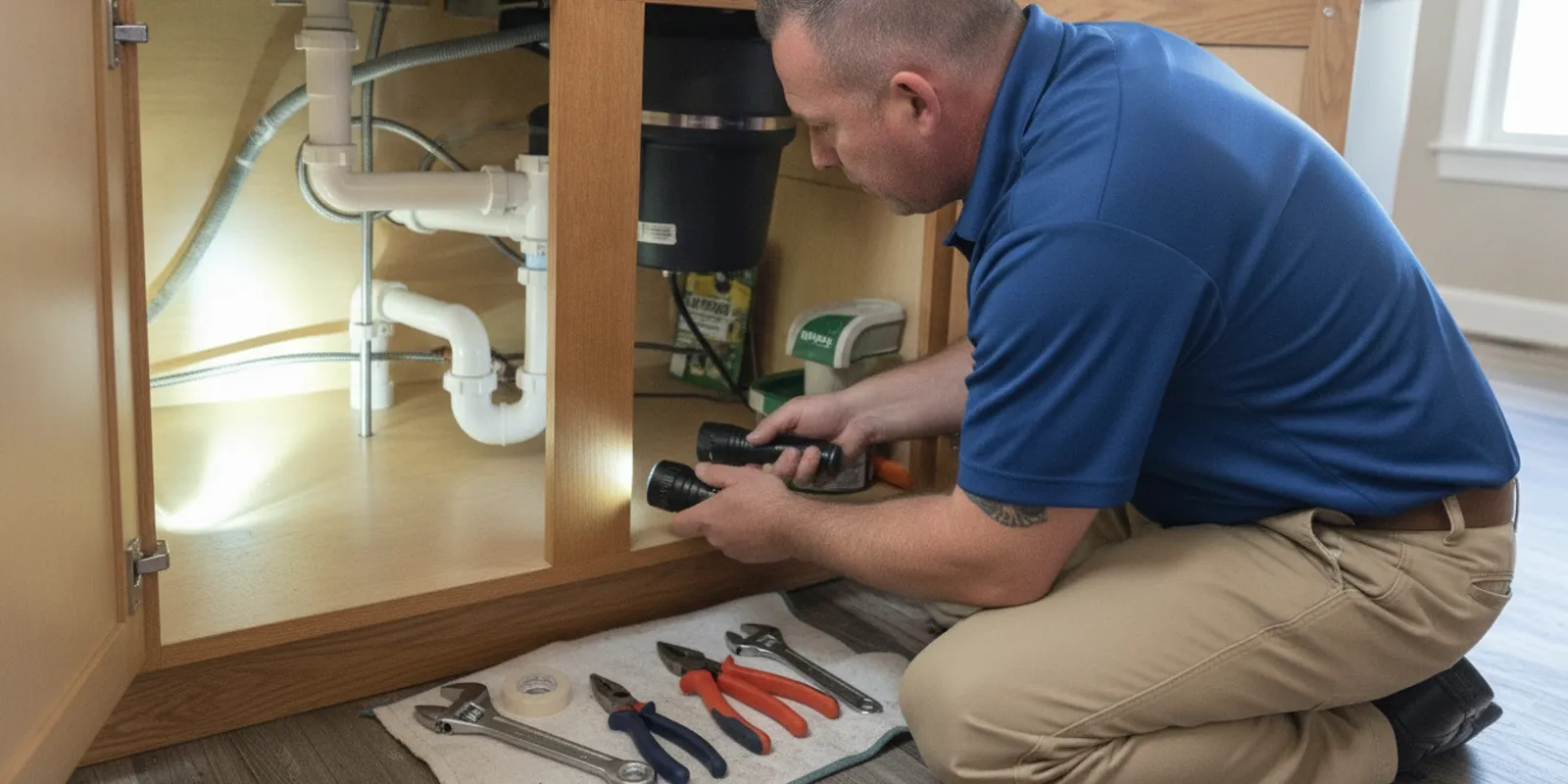
An estimate should account for the equipment and the work required to connect it safely and make it function with the existing sink and plumbing. A plumber may need to inspect the area under the sink, identify the current setup, and clarify whether the homeowner wants a like-for-like replacement or a new installation where no disposal was previously present. These are different scopes and should not be treated as automatically equivalent.
Online prices can be useful for learning what affects a project, but they may describe a different model, labor scope, or home condition. A general price range does not confirm what a particular kitchen needs. The most useful comparison is between estimates that describe the same equipment assumptions and work.
What parts of the installation can affect the estimate?
The disposal unit
Disposals differ in motor capacity, construction, features, and included components. A basic unit and a higher-capacity or feature-rich model do not have the same purchase price. The unit selected also needs to suit the household’s use and fit the available space beneath the sink. A model’s physical dimensions, connection style, and included mounting parts may affect how easily it works with the existing setup.
Before settling on a unit, consider how often the kitchen is used, the amount of available cabinet space, and whether the existing sink arrangement is compatible. Do not choose based on a headline price alone. Check what is included with the product and whether any additional parts are needed. If you already bought a unit, share its make and model with the plumber so compatibility can be checked before work begins.
Whether this is a replacement or a first-time installation
Replacing an existing disposal may allow the installer to reuse a compatible mounting assembly and drain connection, but reuse is not guaranteed. Parts can be worn, damaged, corroded, or incompatible with the new unit. A first-time installation can involve additional decisions because the sink may need a disposal-ready opening and the drain and electrical arrangements must be suitable for the new equipment.
Tell the plumber whether a disposal is currently installed and, if it is, what problem prompted the replacement. A unit that stopped working may have a different cause from one that leaks at a connection or makes unusual noise. If you are weighing repair against replacement, see the discussion of garbage disposal repair service. This article focuses on installation cost factors rather than diagnosing or repairing a failed unit.
Mounting and sink compatibility
A disposal hangs beneath the sink from a mounting assembly. The sink opening, mounting components, and disposal must work together. If existing hardware cannot be reused or the sink arrangement is not compatible with the selected unit, the installer may need additional parts or more time to adapt the connection. The sink material and condition can also affect how work is approached.
Cabinet space matters, too. Pipes, filters, stored items, and the shape of the cabinet can limit working room or affect which disposal will fit. A compact-looking product listing does not establish that the unit will fit every cabinet. Measure only if you can do so safely and accurately, and let the plumber confirm the available clearance before purchase when the fit is uncertain.
Drain and plumbing connections
The disposal has to connect to the sink drain and the home’s drain piping. The existing arrangement may be in good condition and suited to the new unit, or it may need adjustment. Differences in pipe alignment, condition, or available space can affect the time and materials required. A leak, loose connection, or poorly aligned drain should be addressed as part of the work rather than hidden behind the new appliance.
If a dishwasher drains through the disposal, that connection may also need to be considered. The specific configuration varies by kitchen and appliance. A plumber can check whether the disposal has the correct connection and whether the existing hose and routing are appropriate. Avoid assuming that every replacement is a simple swap just because the old unit was connected to the dishwasher.
Electrical supply and controls
A disposal needs an appropriate electrical connection and a way to operate it. The existing kitchen may use a wall switch, a connection beneath the sink, or another arrangement. If the wiring, receptacle, switch, or circuit is unsuitable or missing, the work may require more than connecting the disposal itself. Electrical needs should be evaluated rather than guessed from a product description or a photograph.
Do not open electrical boxes, alter wiring, or try to adapt a cord or connection unless you are qualified to do so. Plumbing and electrical work can interact in a small, damp cabinet, so safety and applicable requirements matter. Ask the installer to explain what is included in the estimate and whether any electrical work is outside the quoted scope. A separate electrical professional may be needed for work beyond the plumbing installation; confirm the responsibility before the project starts.
How does job complexity change the cost?
The labor portion of an estimate reflects the actual work and conditions, not just the number of minutes spent attaching a unit. Access under the sink, the condition of old components, the need to remove an existing disposal, and the alignment of the replacement can all affect the process. Tight or crowded cabinet space may make connections harder to inspect and reach.
Other conditions can become apparent only after the old equipment is removed. A damaged mounting ring, deteriorated drain fitting, or evidence of a leak may need attention before the new unit can be secured and tested. An estimate may distinguish between known work and conditions that cannot be confirmed until disassembly. Ask how unexpected problems will be explained and approved before additional work is done.
Installation scope can also include removal and disposal of the old appliance, new mounting hardware, drain adjustments, dishwasher-hose connection, or testing. These items should be clearly stated rather than assumed. When a quote lists only “installation,” ask what that phrase includes. The answer makes it easier to compare proposals and understand whether additional parts or work could be billed separately.
What should you ask before requesting an estimate?
A few details prepared in advance can help a plumber understand the project and make the conversation more productive. You do not need to diagnose the plumbing yourself. Share what you know and ask the professional to confirm the conditions that affect the scope.
- Is this a replacement or a new installation? Explain whether a disposal is currently under the sink and whether it has been removed or disconnected.
- Do you have a unit already? If so, provide the make and model, or a clear photo of the product label and connection side. Ask whether the unit appears compatible before scheduling.
- What is included in the installation? Confirm whether the estimate covers removal of the old unit, mounting parts, plumbing connections, dishwasher connection, and testing.
- Are electrical changes included? Clarify what will be evaluated and whether the quoted work includes the existing control and power arrangement.
- How are additional conditions handled? Ask how the plumber will communicate a needed repair or added component discovered during removal and obtain approval before the scope changes.
- What does the estimate assume? Confirm the selected unit, expected labor, materials, and any work that is excluded or dependent on inspection.
- What should be cleared before the visit? Ask whether to empty the cabinet or move stored items so the area can be inspected and accessed.
Photos may help explain the layout, but they cannot always show the condition of concealed connections or verify electrical suitability. A photo is a starting point, not a substitute for an on-site evaluation when one is needed.
How can you compare estimates fairly?
Compare the written scope, not just the bottom-line number. One estimate may include a disposal and new hardware, while another may assume the homeowner supplies the equipment and that existing connections are reusable. A lower initial figure may not cover the same work. Ask each provider to specify the model or equipment allowance, labor, materials, removal, and the conditions that would change the estimate.
Check whether the estimate separates the cost of the unit from installation labor. If it does not, ask for clarification. This helps you understand what you are paying for and compare a plumber-supplied unit with one you purchased yourself. It can also prevent confusion about responsibility if the unit is defective, does not fit, or is missing parts.
Confirm how the company handles work outside the original scope. For example, if a mounting piece is damaged or a drain connection needs to be corrected, does the plumber stop and explain the change before proceeding? A dependable estimate process should make the scope and approval process understandable. Do not rely on an informal assumption that any extra work is included.
Also distinguish an estimate from a guaranteed final price. The condition of the connections may not be fully visible until the existing disposal is removed. Ask what facts are known before work begins, what remains uncertain, and how a change will be communicated. Clear answers are more helpful than a quote that appears precise but does not describe its assumptions.
Should you buy the disposal yourself?
Homeowners may choose a unit and buy it directly, or ask the plumbing company what equipment options are available. Either approach can work, but clarify the responsibilities in advance. When you supply the unit, verify its dimensions and connections, check what parts are included, and ask whether the plumber will install that model. Also ask how the estimate changes if the unit is incompatible or arrives damaged.
If the plumber supplies the unit, ask which model is included and whether the estimate covers all parts needed for the stated installation. A model name or specification makes the proposal easier to evaluate than a general description such as “standard disposal.” Do not assume that a particular power level or feature is necessary without considering your household needs and the actual kitchen setup.
Retain the product documentation and purchase information. The unit’s warranty and the installer’s terms are separate matters, and their coverage can depend on the product and circumstances. Ask whom to contact if the disposal has a product issue after installation and who to contact about a connection or workmanship concern.
What can homeowners do before installation day?
Preparing the area can save time and make it easier to inspect the connections. Remove cleaning products and stored items from beneath the sink, keep pets and children away from the work area, and make sure the installer can reach the kitchen. If you are supplying the unit, keep it and its included parts available, but do not begin disassembly to prepare for the visit unless the plumber has specifically instructed you to do so.
Let the plumber know about recent leaks, past repairs, unusual odors, or a dishwasher connection. Mention any change in the sink or cabinets that could affect access. These details do not establish the cause of a problem, but they can help the professional plan the evaluation and identify questions to address before the work starts.
It can also help to identify the disposal’s switch and the appropriate way to shut off power if the plumber asks you to do so. Do not reach into the disposal or attempt to clear a jam while it is connected to power. Keep hands and tools away from the grinding chamber. If the unit is leaking or has exposed wiring, avoid using it and explain the concern when you request service.
When is a repair estimate different from an installation estimate?
A disposal that hums, leaks, fails to turn on, or drains poorly does not automatically need replacement. The symptom may come from the unit, a connection, a switch, or another part of the sink drain arrangement. Diagnosing the issue first can help determine whether a repair is reasonable or whether replacement should be discussed.
Installation pricing is focused on putting in a new unit and connecting it to the existing kitchen setup. Repair work has a different scope because it begins with diagnosis and may involve correcting a particular failure. If you are unsure which service to request, describe what the disposal does and when the problem occurs rather than naming a repair you have not confirmed. You can also read about how garbage disposal installation works for general context, while keeping in mind that this cost guide does not provide a do-it-yourself installation procedure.
For a disposal replacement that involves a dedicated electrical circuit or questions about power requirements, review garbage disposal circuit considerations and ask a qualified professional to assess your home’s actual setup. The appropriate arrangement depends on the equipment and conditions present; an article cannot determine what wiring your kitchen needs.
Which installation details are worth confirming in advance?
Before approving work, make sure you and the plumber are discussing the same finished result. The phrase “install a disposal” can mean connecting a homeowner-supplied unit to existing fittings, or it can mean providing equipment, removing old parts, making adjustments, and testing the full connection. The description should be specific enough that you can tell what the price covers and what decisions remain.
Ask whether the work includes checking for leaks after the plumbing connections are made and whether the disposal will be run as part of the final test. A completed installation should be evaluated as a connected system: the unit must be mounted, the drain arranged, and the control and power connection considered. Ask what the company will test and what signs you should watch for after the visit.
It is also useful to discuss the condition of the sink and cabinet area. Water damage, a loose sink, or prior modifications may affect the project beyond the disposal itself. Do not assume these conditions are included in a standard installation. If the plumber sees an issue, ask for a clear explanation of what is necessary for the disposal work and what is a separate repair that can be considered on its own.
How should you think about equipment choices?
It is easy to focus on motor power or a long feature list, but the right choice starts with fit and intended use. Think about how many people use the kitchen, how frequently food waste reaches the sink, and whether quiet operation or a particular size matters to you. Then confirm that the chosen unit is suitable for the opening, cabinet space, and connections already in place.
Features can affect the unit price without necessarily changing the installation scope. Conversely, a less expensive unit may still require additional work if its mounting system or outlet arrangement does not match the kitchen. Treat product selection and site conditions as related but separate questions: first decide what equipment meets your needs, then determine what work is needed to connect it at your home.
If you are comparing multiple models, write down the exact model numbers rather than comparing vague descriptions. Ask which parts are included, whether the product requires a separate power cord or accessory, and whether those items are part of the installation estimate. Clear equipment details help avoid a last-minute change when a missing part or mismatch is discovered on installation day.
What should a clear estimate explain?
A useful estimate does more than give a total. It should identify whether the disposal is included or supplied by the homeowner, describe the expected connection work, and state how removal and disposal of the old unit are handled. It should also identify known exclusions, such as electrical changes or repairs to unrelated sink plumbing, rather than leaving you to infer them.
Ask whether the estimate assumes the existing mounting hardware and drain piping are reusable. If the answer is yes, ask how a worn or incompatible part will be handled if it becomes apparent during removal. This does not mean every possible part must be priced before inspection. It means you should understand how new findings will be discussed and approved before the scope expands.
Compare estimates line by line where possible. If one quote bundles equipment and labor and another separates them, request enough detail to understand the difference. Check that each quote refers to the same unit or a comparable equipment allowance and covers the same removal, installation, and testing tasks. This is more reliable than treating the lowest total as the best comparison when the assumptions differ.
When might the project involve work beyond the disposal?
A disposal is installed within a larger kitchen system. If the sink drain has a persistent blockage, if a drain connection is damaged, or if a switch does not operate correctly, those conditions may need their own diagnosis. The plumber can explain whether a problem is directly related to installing the new unit or whether it is separate work. Ask for the distinction so you can make an informed decision instead of assuming every kitchen issue is part of the appliance installation.
A slow drain, for example, should not automatically be attributed to a disposal. The restriction could be elsewhere in the drain path. If you are experiencing a recurring blockage, the article on ways to think about a clogged drain provides related background, but it does not replace a diagnosis of the specific line. Let the plumber know whether the sink drains slowly with the disposal off, whether other fixtures are affected, and whether the problem has happened repeatedly.
Likewise, electrical concerns should be separated from plumbing scope. If the existing switch or supply appears damaged, do not assume that a disposal installer will perform every type of electrical correction. Ask what the plumbing estimate includes and who should evaluate work that falls outside it. Agreeing on the boundary helps prevent misunderstandings about both the price and the finished job.
How can you make sense of a possible extra-work scenario?
Consider a replacement where the old unit comes off easily, the mounting assembly is compatible, and the drain pieces are sound. The estimate may closely match the expected work because few changes are needed. In another kitchen, the old mounting ring may be corroded or the new disposal may not align with the existing drain. Those findings could require additional parts or adjustments. They are not a reason to accept an unexplained change; they are a reason to ask what was found, why it matters, and what the revised scope includes.
Before a technician starts, agree on how any change will be handled. For example, ask whether the work will pause if an unlisted part is needed, whether you will see the issue or receive an explanation, and whether the added labor and material will be described before approval. This simple sequence keeps the decision with the homeowner and avoids treating a hidden condition as automatic consent for extra work.
It is also helpful to sort potential work into three groups: tasks clearly included, conditions that may change the price after inspection, and separate repairs that are not part of disposal installation. A written estimate can identify all three. If it does not, ask the company to clarify them in plain language. This makes it easier to budget without pretending that concealed conditions can be known in advance.
What does a practical estimate review look like?
When two proposals arrive, start by writing down the same comparison points for each: unit make and model or equipment allowance, removal of the old disposal, mounting parts, drain and dishwasher connections, electrical assumptions, testing, and exclusions. Mark each item as included, excluded, or unclear. Follow up on every unclear item rather than filling gaps with assumptions. A quote that is less detailed may still be appropriate, but you need enough information to know what it covers.
For example, one proposal might include a new unit and removal but assume the existing drain and electrical arrangement can be reused. Another might list labor separately and state that the homeowner provides the unit. The totals cannot be compared fairly until you account for those differences. You might ask both providers to price the same model and explain the same connection work, or compare the labor scopes separately while recognizing who is supplying the equipment.
Do not treat the lowest number as the only measure of value, but do not assume a higher price is justified either. Focus on transparent scope, appropriate compatibility checks, communication about discoveries, and a clear final test. The estimate should let you understand the project and make an informed choice without promising that every home will need the same work.
Frequently asked questions
Can I get an accurate installation cost from the disposal’s retail price?
No. The retail price covers the appliance, not necessarily labor, mounting parts, plumbing changes, electrical work, removal, or the conditions found under the sink. A property-specific estimate should explain the unit assumptions and installation scope.
Does replacing an old disposal always cost less than installing one for the first time?
Not always. A replacement may reuse compatible connections, but worn or mismatched components can add work. A first-time installation may require additional plumbing or electrical planning. The actual cost depends on the kitchen and the equipment selected.
Should I buy a disposal before calling a plumber?
You can, but check compatibility first if possible. Share the model information and ask whether it suits the available space and connections. If you are not sure what will fit, ask for guidance before purchasing so you can avoid choosing a unit that cannot be installed as planned.
Why might an estimate change after the old disposal is removed?
Some mounting and drain components are hidden while the existing unit is in place. Removal may reveal damage, wear, or a connection that needs correction. Ask how the plumber will explain the finding and obtain your approval before proceeding with work beyond the agreed scope.
What information should I have ready when I call?
Be ready to say whether you have an existing disposal, whether you have selected a replacement, what symptoms you have noticed, and whether a dishwasher drains through the unit. Photos or the model number can help, but an on-site inspection may still be necessary to confirm the installation requirements.
Call Tommie’s Plumbing to request help with your disposal
For homeowners in Northeast Tennessee, the clearest way to understand garbage disposal installation cost is to have the equipment and existing connections evaluated together, then review an estimate that explains what the work includes.