

A clogged bathroom sink is one of those problems that shows up without warning and slows everything down. You turn on the tap, and instead of a smooth flow of water, you get a basin filling up. Most clogs build over time from hair, soap residue, and everyday debris. The good news is that many of these issues can be handled at home with the right method and a bit of patience. Just start simple, avoid damaging your pipes, and know when to call a plumber.
What Causes a Bathroom Sink to Clog?
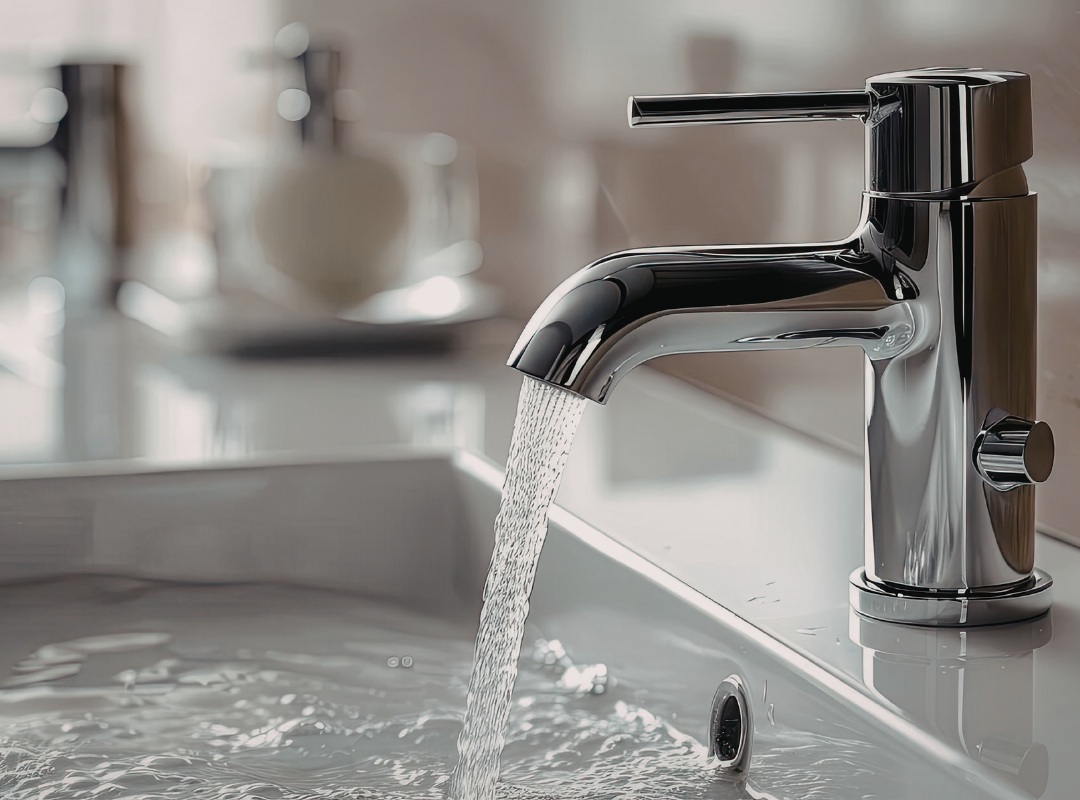
Most clogs in bathroom sinks are caused by a mix of hair, soap scum, and buildup that sticks to the inside of pipes. Over time, this gunk narrows the path for water flow. A hair clog is especially common because strands catch on the drain stopper or inside the drain trap.
Grease is less common in a bathroom than in a kitchen drain, but lotions and thick products can act the same way. Add dust and debris, and you get a clogged drain that worsens over time. Slow drains are often the first sign.
Hair is one of the biggest contributors, and simple habits like using a drain cover help prevent hair from clogging showers and similar bathroom drains.
How to Unclog Bathroom Sink Without Chemicals?
Before reaching for harsh drain cleaners, try mechanical and natural methods. Many store-bought chemicals contain lye or produce strong fumes. These can damage pipes and are not always safe to use in older plumbing systems found in many Tennessee homes. Many homeowners are unaware that chemical drain cleaners can damage pipes and cause long-term plumbing problems.
Here are some simple steps to unclog your bathroom sink without using chemicals.
1: Remove and Clean the Drain Stopper
Start at the top. The drain stopper often collects hair and debris.
- Pull the stopper out of the sink
- Use gloves and remove visible buildup
- Rinse and wash it clean before putting it back
This alone can fix many slow drains. If the stopper is stuck, check under the sink and loosen the pivot rod carefully.
2: Use Boiling Water to Break Buildup
Hot water helps loosen soap residue and minor grease.
- Boil water and let it sit for a few seconds
- Pour it slowly into the drain in stages
- Let it sit, and then run hot water to flush
Avoid boiling water if you have older plastic pipes, as they may warp. In most modern systems, this method is safe and effective for light clogs.
3: Baking Soda and Vinegar Method
This is a tried-and-tested method for mild buildup.
- Pour about half a cup of baking soda into the drain
- Follow with a cup of vinegar
- Let it sit for 15 to 20 minutes
- Rinse with hot water
The reaction helps break apart debris and freshens the drain. It will not clear a solid blockage, but it works well for early buildup.
Can a Plunger Unclog a Bathroom Sink?
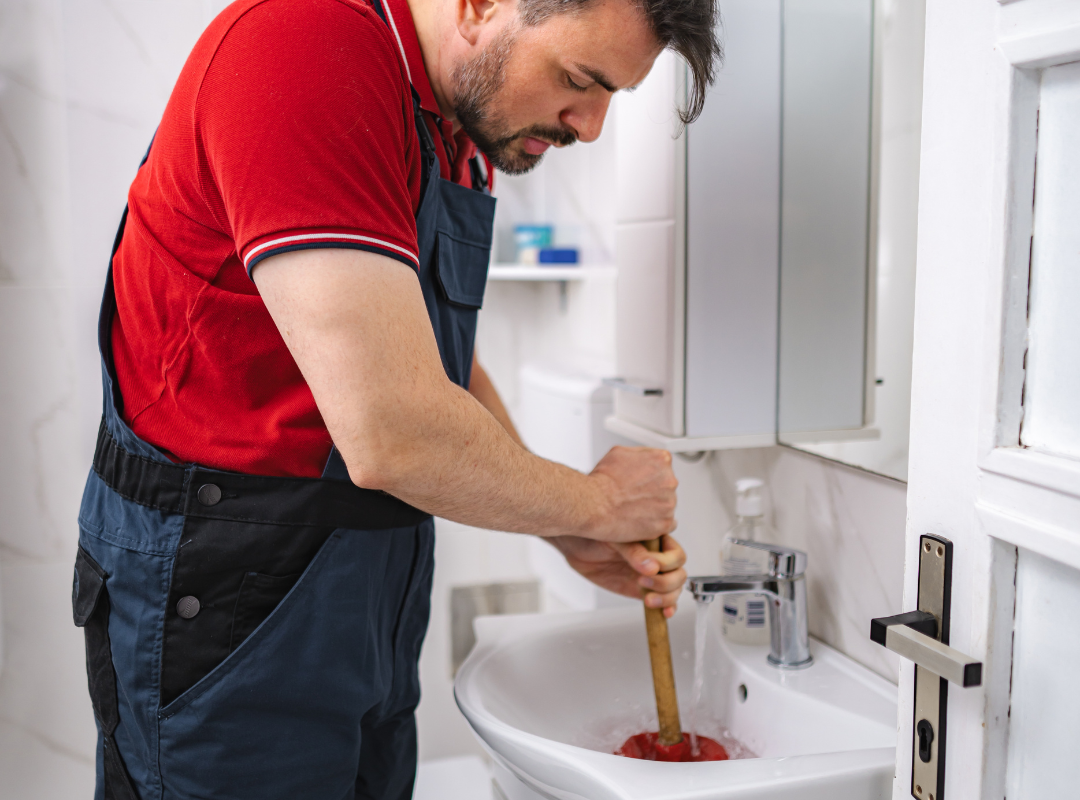
Yes, and it works better than most people expect. A small plunger made for sink drains is the right tool here. Make sure to create a tight seal over the drain. Block the overflow opening with a cloth or tape so pressure builds properly. Fill the basin with enough water to cover the plunger head. Then use steady pressure to loosen the clog.
A few firm plunges often break up most clogs. If the water level starts to drop, you are on the right track.
When Should You Use a Drain Snake?
If plunging does not work, a drain snake is the next step. This tool reaches deeper into the pipes to pull out or break apart the clog.
Feed the snake slowly into the drain. When you feel resistance, rotate the tool to grab or break the blockage. Pull it back carefully. You will likely bring up hair and debris. A simple hand auger from a local hardware store is enough for most bathroom sink drains. Avoid forcing the tool too hard, as it can damage the pipe or get stuck.
Should You Clean the P Trap?
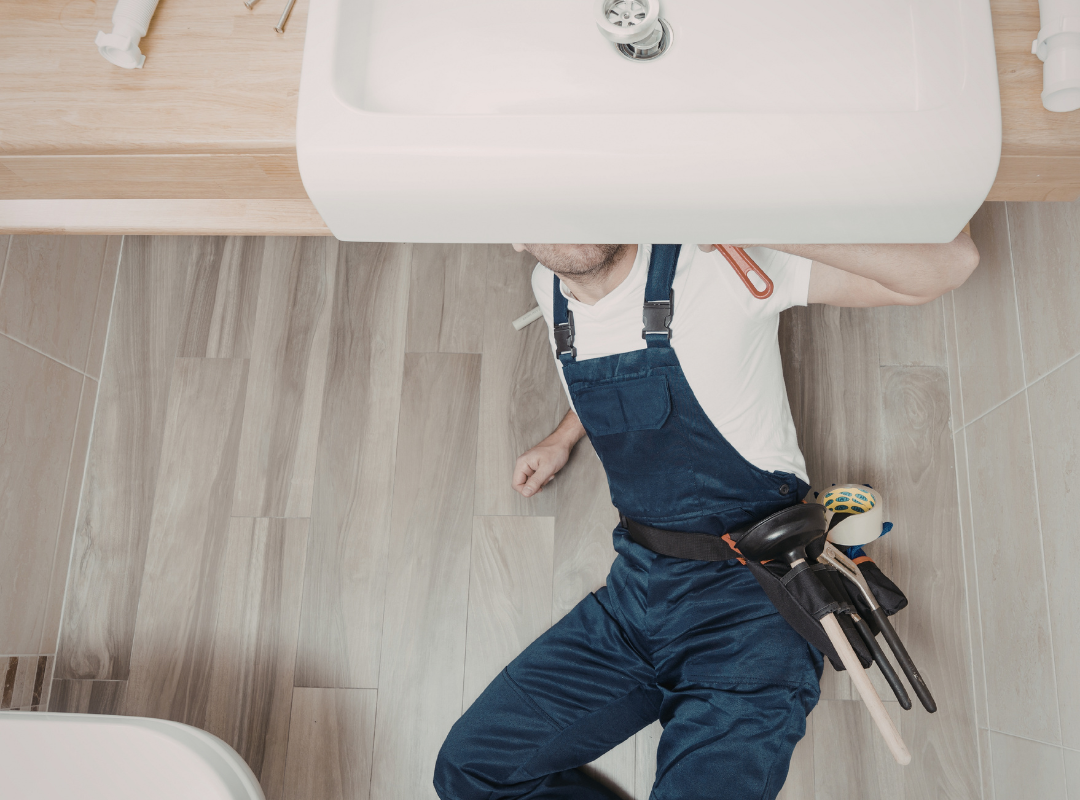
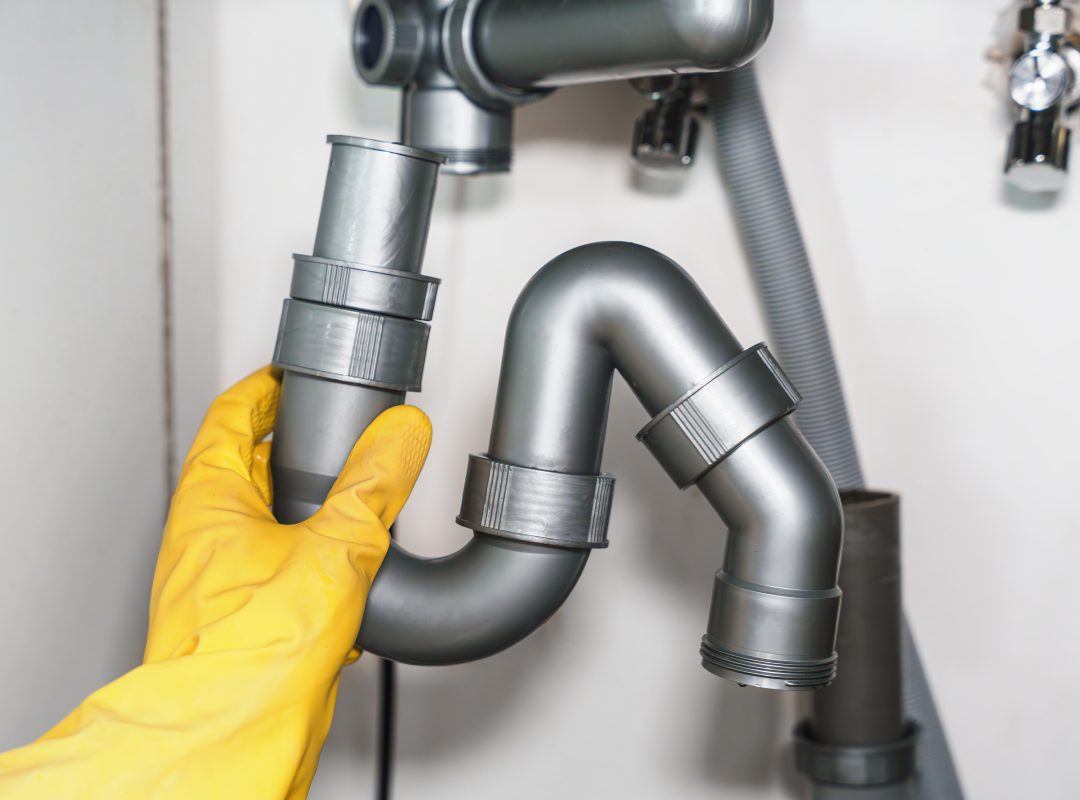
If the clog is still there, it may be sitting in the P-trap. This curved section under the sink is designed to catch debris and prevent sewer gases from coming up. Place a bucket under the trap before removing it. Loosen the connections and remove the trap. Clean out the gunk and rinse it well before reinstalling. Make sure the connections are tight to prevent leaks.
This step solves many stubborn clogs. If you notice corrosion or cracks, it is best to replace the trap rather than reinstall it. Recurring buildup in areas like this is one of the most overlooked common plumbing problems in bathroom sinks.
What Not to Do When Trying to Unclog a Sink?
There are a few things we always caution against.
- Avoid mixing different chemical drain cleaners. This can create dangerous fumes.
- Do not use a coat hanger as a makeshift snake. It can scratch pipes, worsening the problem.
- Do not apply too much force with tools, especially in older plumbing systems.
If the clog does not clear after these steps, it may be deeper in the pipes. That is when professional plumbing service becomes the safer choice.
How Do You Prevent Bathroom Sink Clogs?
Prevention saves time and money. A few habits go a long way.
- Run hot water after each use to flush residue
- Clean the stopper regularly
- Use a simple drain cover to catch hair
- Avoid washing thick products down the sink
These steps keep water flow steady and reduce buildup over time. Routine care is part of proper plumbing maintenance, helping prevent future clogs and expensive repairs. At Tommie’s Plumbing, we often remind homeowners that most clogs do not happen overnight. A little routine care helps avoid bigger issues later.
When Should You Call a Plumber?
If you have tried plunging, snaking, and cleaning the trap and the sink still drains slowly, it is time to call a plumber. Recurring clogs can signal a deeper issue in the plumbing system.
Also, if you notice leaks under the sink, bad odors that do not go away, or multiple slow drains in your home, do not wait. These signs point to problems beyond a simple clog. We handle these cases often at Tommie’s Plumbing, and early service prevents more costly repairs.
Conclusion
Learning how to unclog bathroom sink problems the right way keeps your plumbing system in good shape. Start with simple methods, such as cleaning the stopper and using hot water. Use tools like a plunger or a drain snake if needed. Stay cautious with chemicals and avoid shortcuts that can damage pipes.
Most clogs can be cleared with these steps, but knowing when to stop is just as important. A safe fix today prevents a bigger repair tomorrow.
Need Help with a Stubborn Clog? Call Tommie’s Plumbing
If your sink drains are still slow or completely blocked, we are ready to help. At Tommie’s Plumbing, we handle everything from sewer and drain cleaning service to full plumbing repairs.
You can reach us at (423) 638 3662 or visit our office at 1665 East Andrew Johnson Highway, Suite 1, Greeneville, TN 37745. We are local, experienced, and ready to get your water flow back to normal. Contact us now!
FAQs
Below, we’ve addressed some common questions about unclogging a bathroom sink.
What should I do if my water heater breaks?
The best method is to start simple. Remove and clean the stopper, then use a sink plunger. If needed, follow with a drain snake to clear deeper clogs.
How do you unblock a slow-draining bathroom sink?
Use hot water, and a baking soda and vinegar flush to break down the buildup. Cleaning the drain trap also helps restore proper flow.
Why pour salt down the drain every night?
Salt can help scrub light buildup inside pipes when followed by hot water. It is a mild maintenance method, not a fix for major clogs.
What dissolves hair in a clogged drain?
Enzyme-based drain cleaners are safer for breaking down hair. Avoid strong chemical products with lye, especially in older pipes.
Does Tommie’s Plumbing serve Greenville, TN, for clogged sinks?
Yes, we provide full plumbing services in Blountville, TN. From clearing a clogged bathroom sink to repairing pipes, we handle it all with reliable local service.