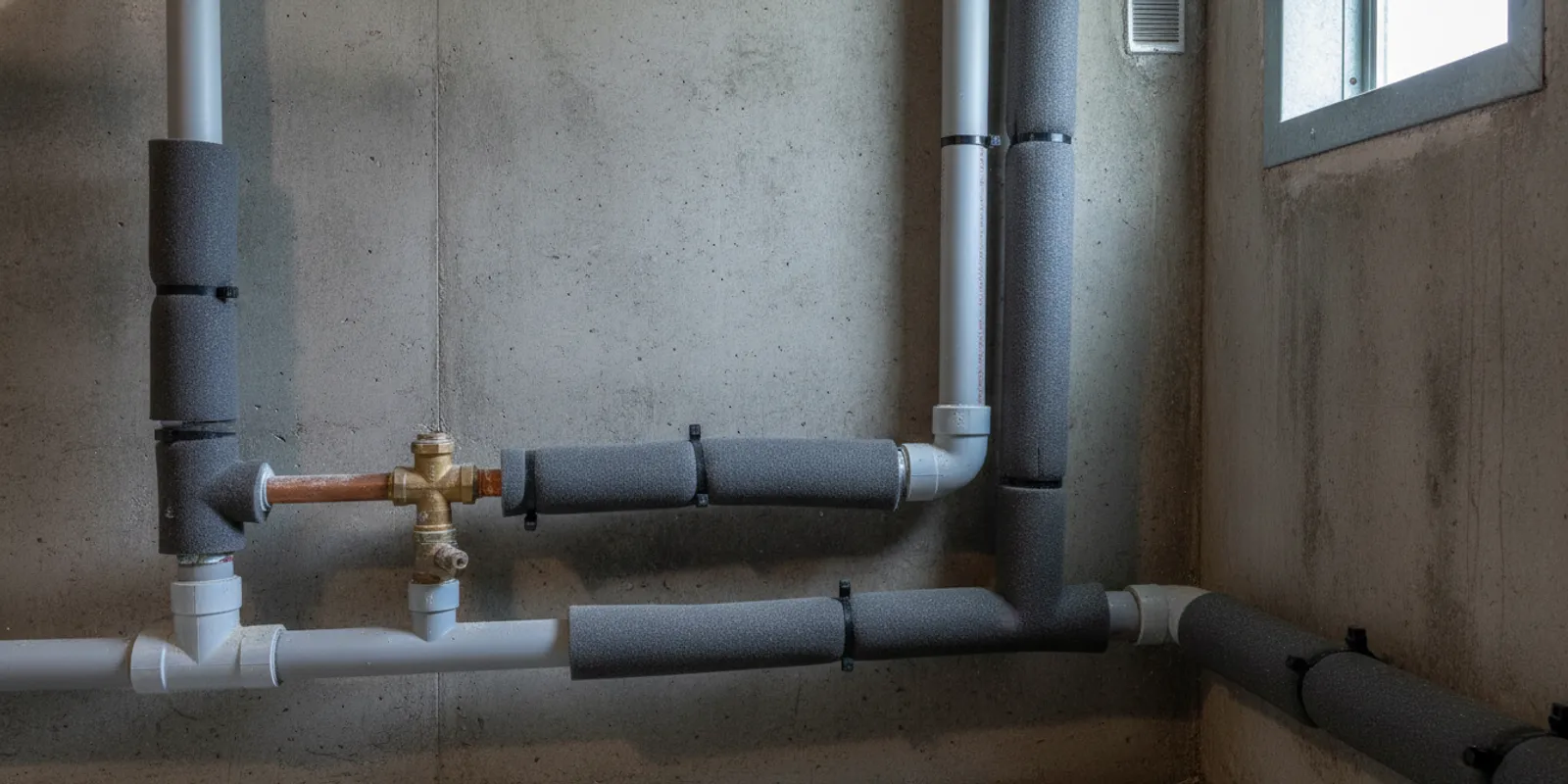
Septic tank repair may be needed when drains slow down, wastewater backs up, or the ground near the tank or drainfield becomes unusually wet. These signs do not identify one specific failed part, but they deserve attention. If you notice a change, limit water use and avoid contact with wastewater while you arrange an assessment.
Contact Tommie’s Plumbing about septic system concerns
What signs can point to a septic problem?
Septic trouble can show up inside the house, outside near the system, or in both places. A single symptom may have more than one cause, so note what you observe rather than assuming a particular repair is needed.
- Slow drains or recurring clogs: Several fixtures draining slowly at once may indicate a problem beyond one sink or tub.
- Wastewater backing up: A backup in a toilet, tub, or floor drain needs prompt attention. Avoid using affected fixtures until the cause is understood.
- Unusual odors: Persistent sewage-like odors near the home, tank, or drainfield can signal a system concern. Do not open a tank to investigate.
- Wet or spongy ground: Standing water or soft, damp soil near the septic area, especially when there has been no recent heavy rain, warrants a closer look.
- Unusually lush grass: A bright green patch over part of the drainfield may be a sign of excess moisture or wastewater reaching the surface.
Washington State’s health department lists standing water or damp areas, odors, and lush, spongy grass among signs associated with septic system failure. Those observations are reasons to seek an evaluation, not a diagnosis of the exact component that needs repair.
Review the Washington State Department of Health’s septic failure warning signs.
What should you do when you notice a warning sign?
Take steps that reduce exposure and help a professional understand what is happening. Do not try to enter, open, or work inside a septic tank. Septic tanks can contain dangerous gases and other hazards. Keep children and pets away from wet or affected areas.
- Reduce water use. Pause nonessential laundry, long showers, and repeated appliance cycles. Lower flow can reduce additional strain while you seek advice.
- Stop using affected fixtures. If wastewater is coming up through a drain, keep people away from it and do not flush or run water into that part of the system.
- Keep vehicles and heavy loads off the drainfield. Avoid driving or parking over the area, and do not dig to locate a pipe or tank.
- Record what you see. Note when symptoms began, which fixtures are affected, whether the problem is constant, and where odors or wet spots appear.
- Request professional guidance. Describe the symptoms and ask what assessment is appropriate. A plumber can help distinguish a household drain issue from a concern involving the septic system.
Do not pour drain chemicals into a system as a shortcut. They may not address the cause, and introducing chemicals can complicate troubleshooting. If sewage has entered living areas, keep people and pets away and seek prompt professional direction on safe cleanup.
Could the problem be something other than the septic tank?
Yes. A slow fixture may have a localized blockage. Several slow fixtures, a backup at a low drain, or symptoms that return after clearing a clog can point to a larger drain or sewer issue. A septic system also includes piping and a drainfield, so the source may not be the tank itself.
Describe the pattern rather than naming the repair you think is required. Tell the service professional whether one fixture or several are affected, whether the issue occurs after water use, and whether there are outdoor symptoms. If the concern appears to involve a building drain or sewer line, Tommie’s sewer line repair information may help you understand that separate service area.
How can you describe a symptom pattern clearly?
Start with what changed and where. For instance, say that two bathrooms began draining slowly on the same morning, or that a floor drain backed up after several loads of laundry. Include whether other fixtures continued to work normally and whether the problem improved or returned. This information does not diagnose the system, but it can help a professional decide what questions to ask and what area may need attention first.
It is also useful to distinguish an isolated fixture problem from a house-wide pattern. A single slow sink may involve that sink’s drain, while several fixtures behaving differently at once calls for a broader look. Neither pattern proves a septic failure. Keep observations neutral, such as “the tub gurgles when the toilet is flushed,” rather than concluding that a specific tank or pipe component is damaged.
What may a septic system assessment include?
The appropriate checks depend on the symptoms, site conditions, and system history. A professional may ask about recent backups, prior service, household water use, and where signs are appearing. The next step could involve inspecting accessible plumbing or coordinating the right septic-system evaluation. Do not assume that every symptom requires tank pumping or replacement; the source and condition need to be established first.
Ask the provider to explain what was inspected, what evidence supports the recommendation, and whether any additional evaluation is needed. If repair work is proposed, request a clear description of the affected component, the work included, and any limitations or follow-up steps. The EPA advises homeowners to keep service records that describe completed repairs and tank condition, which can help build a useful system history.
See the EPA’s guidance on caring for a septic system and keeping service records.
A helpful assessment discussion separates what is known from what remains uncertain. The provider should be able to tell you what symptoms prompted the visit, what was checked, and what findings were observed. If more testing or a different specialist is needed, ask what question that next step is intended to answer. This avoids treating a possibility as a confirmed repair need and gives you a more useful basis for deciding what to do next.
How can you prepare before requesting service?
A few details can make the first conversation more productive. You do not need to diagnose the system or uncover buried components. Share what you know and leave inspection work to qualified professionals.
- List the fixtures affected and when the symptoms started.
- Describe any outdoor wet areas or odors, including their location relative to the home and known septic area.
- Note recent heavy rain, unusually high water use, or plumbing work, if relevant.
- Gather prior service reports or system records if you have them.
- Ask who will evaluate the issue, what the visit includes, and how recommendations and estimates will be explained.
For homeowners in Northeast Tennessee, Tommie’s Plumbing describes a plumbing-focused service offering that includes repairs and sewer and septic work. Learn more about the company’s plumbing services, read its company background, or check the Northeast Tennessee service-area information to see whether your community is listed.
What details are most useful to write down?
Keep a short timeline rather than trying to create a technical report. Record the day a symptom first appeared, whether it has happened more than once, which fixtures were in use beforehand, and whether any indoor or outdoor signs appeared at the same time. If the ground is wet, note the general location and whether recent rain could explain some of the moisture. Do not walk through a suspect area to investigate it or disturb soil to look for a buried component.
If you have service documents, gather them in one place before the visit. A prior report may include a date, an observed condition, or work already completed. If you do not have records, simply say so; do not delay asking for help while trying to locate old paperwork. Accurate observations are more useful than guesses about a system’s age or condition.
How do weather and water use affect what you observe?
Conditions around the property can provide useful context, but they do not prove the cause. Heavy rain may leave soil wet even when a septic system is working normally, while repeated water use can make an existing drainage problem more noticeable. Note whether a damp area appeared after rainfall, whether it remains after surrounding ground dries, and whether indoor symptoms began at the same time. Share these observations with the professional rather than trying to test the system by adding more water.
Also consider whether several water-intensive activities occurred close together, such as laundry and long showers. This timing can help explain when symptoms arise, but it cannot confirm a tank, pipe, or drainfield failure. A useful description separates what happened from what you suspect: for example, “three drains slowed after repeated laundry loads” is more helpful than concluding that a particular component has failed.
Should you run water to see whether the system clears?
No. Deliberately adding more water to reproduce a backup or check whether a wet spot grows can worsen the condition and expose people to wastewater. Do not flush repeatedly, run multiple appliances, or direct a hose toward the area as a test. The safer choice is to note what has already happened and ask a professional what to do while waiting.
Weather and household routines are context, not proof. A wet patch after rain may have a different explanation from a patch that persists through dry conditions, but only an appropriate evaluation can establish what is happening. Tell the professional about both normal conditions and recent changes, including unusual water use or plumbing work.
When should you seek help promptly?
Arrange prompt guidance if wastewater is backing up into the home, sewage is visible at the surface, multiple drains stop working, or strong odors persist around the system. Keep people and pets away from affected spots. Avoid direct contact with wastewater and do not attempt a do-it-yourself tank inspection.
If symptoms are mild and limited to one fixture, the cause may be local, but recurring trouble still deserves attention. When requesting help, give the clearest description you can and ask what steps are appropriate until the source is identified. Tommie’s Plumbing has more than 30 years of plumbing trade experience and serves homeowners across Northeast Tennessee; its team can discuss the concern and the appropriate next step.
How should repair recommendations be evaluated?
A repair recommendation should connect an observed symptom to a specific finding. Ask the provider to explain which part of the system appears affected, how the assessment supports that conclusion, and whether the proposed work addresses the immediate issue or a contributing condition. This helps you distinguish a confirmed repair need from a possibility that still requires evaluation.
Before approving work, make sure you understand the scope. Ask what components are included, whether access or additional testing is required, what disruption to the yard or household is expected, and whether any follow-up is advised. If more than one option is presented, ask what each option resolves and what it does not resolve. A written explanation can make it easier to compare recommendations and retain an accurate service history.
Costs depend on the finding, access, and work involved, so a symptom alone is not enough to estimate a repair. Avoid relying on a generic online price as a quote for your property. Request an on-site explanation of the work and the estimate before making a decision.
What should a clear estimate or work plan explain?
Ask for the proposed work to be described in plain language. The explanation should identify the component or area involved, the reason for the recommendation, and what the work is intended to correct. Ask whether the plan includes access, testing, restoration, or follow-up, and whether any of those are separate steps. These questions help prevent confusion about what the estimate covers without requiring you to choose a technical solution on your own.
If there are alternatives, compare them by purpose and limits rather than by a label alone. One option may address an immediate symptom, while another may investigate a suspected underlying cause; the provider should explain the distinction and any remaining uncertainty. Keep the written estimate and service report with earlier records so you can refer to the same information in future conversations.
How can you reduce avoidable strain on the system?
Routine care cannot prevent every failure, but consistent habits can help avoid unnecessary stress and make changes easier to notice. Spread out water-intensive tasks rather than running many loads back to back, repair plumbing leaks that keep adding water, and use fixtures thoughtfully when the system is showing symptoms. These are cautious household practices, not a substitute for inspection or maintenance guidance tailored to the system.
Keep vehicles, sheds, and other heavy loads away from the drainfield. Do not plant trees or shrubs where roots could interfere with system components, and do not landscape in a way that directs runoff toward the field. Keep a simple record of service dates, reports, repairs, and any recurring symptoms. If you are unsure where system components are located, ask a qualified provider rather than digging or probing the yard.
Pay attention to changes over time. A small wet patch that returns, a recurring odor, or a pattern of drains slowing after heavy household water use may be useful context during an assessment. Record dates and conditions without walking through or disturbing a wet area.
What questions should you ask when arranging service?
Before scheduling, explain the signs you have noticed and ask whether the provider handles the type of plumbing or septic concern you describe. Tommie’s Plumbing serves homeowners across Northeast Tennessee and lists plumbing repairs and sewer and septic work among its service areas. The frequently asked questions page offers additional company information, while the service request page provides a way to request an appointment.
- Which symptoms or locations should I describe before the visit?
- What assessment is likely to be useful given the signs I reported?
- Will you explain what was checked and what remains uncertain?
- How will you document the recommended work and any alternatives?
- Should I limit water use or avoid a particular area while waiting?
These questions keep the discussion focused on evidence and practical next steps. They also help you understand whether the concern can be handled as a plumbing repair or requires a different septic-system evaluation.
Frequently asked questions
Does a bad odor always mean the septic tank needs repair?
No. Odors can have different sources, and smell alone cannot identify a failed component. Note where and when the odor occurs and arrange an assessment if it persists or appears with other warning signs.
Can I open the septic tank to check the water level?
No. Do not open or enter a septic tank. It can present serious hazards, including dangerous gases. Leave inspection and testing to qualified professionals.
Should I keep using water if a drain is backing up?
Reduce water use and stop using fixtures that contribute to the backup. More water may worsen the overflow. Keep people and pets away from wastewater and request professional guidance.
What records should I keep?
Keep service reports, inspection notes, repair recommendations, and receipts. Record the date and symptoms you observed as well. A clear history can help a provider understand previous work and changes over time.
When septic symptoms appear, act cautiously, protect people from wastewater, and get the system assessed before deciding what repair is needed.