

If your sump pump is not working, water may rise in the pit before you realize the system has stopped. A few careful observations can help you understand what is happening, but avoid opening electrical components or reaching into standing water. Start with safety, then note the symptoms so you can choose a sensible next step.
Contact Tommie’s Plumbing for help
What should you do first when a sump pump stops?
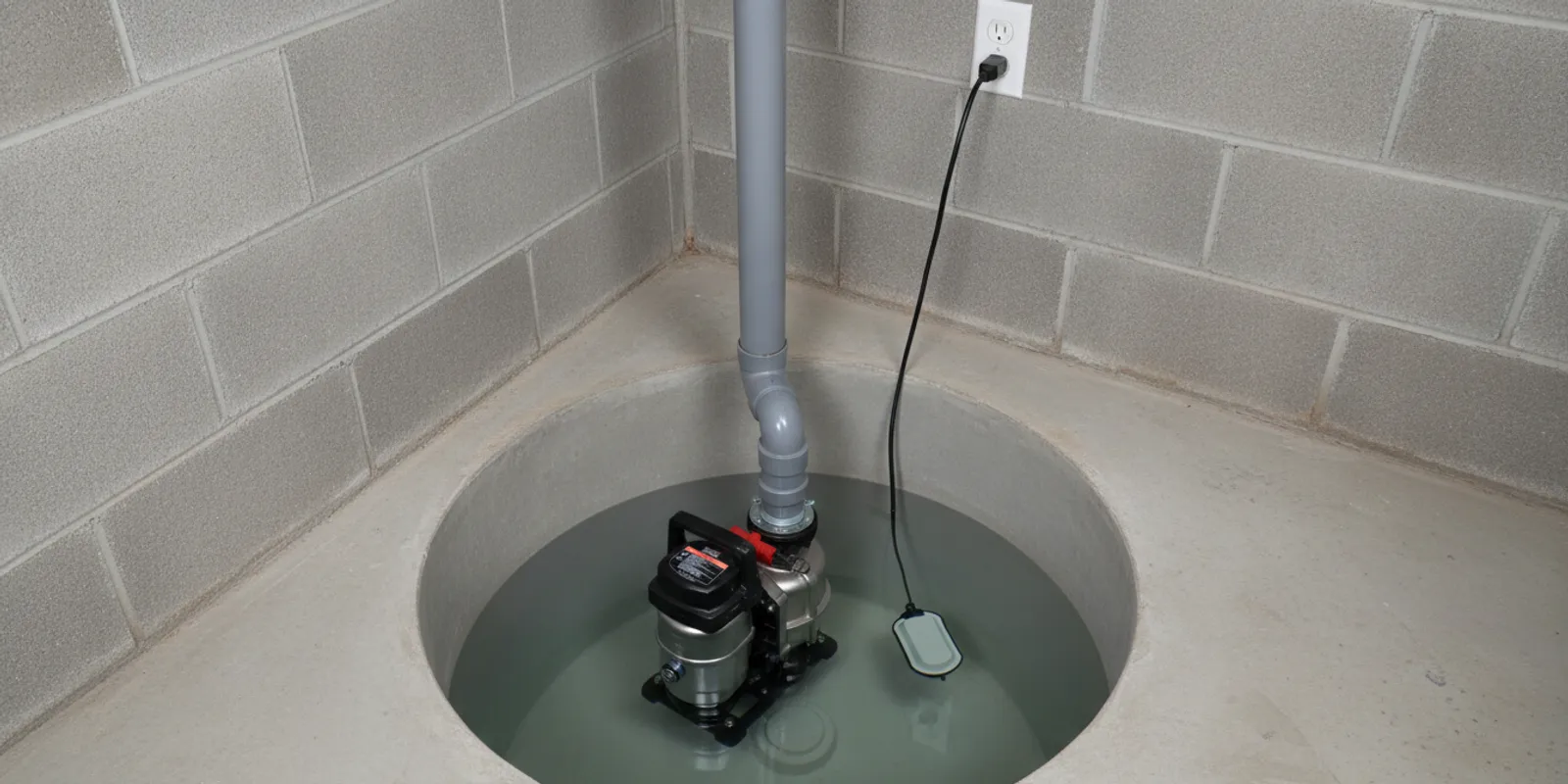
Look at the pit from a dry, safe position. Is water present, and is its level rising? Is the pump silent, humming, cycling repeatedly, or running without lowering the water? These differences can point toward different problems. Do not step into standing water, especially if electrical equipment may be involved.
If water is close to the floor, moving quickly, or already entering the basement, protect people and belongings first. Keep away from wet electrical outlets, cords, and appliances. If safe, move valuables away from the affected area and contact a qualified professional. Do not unplug or handle equipment while standing in water. If water is near an outlet, appliance, or panel, stay out of the affected area and seek appropriate help rather than trying to dry or operate equipment.
A sump pump is one part of a home’s water-management setup, and arrangements vary from house to house. A clear description of what you can see is more helpful than guessing at a failed component. Tommie’s Plumbing provides plumbing repairs and related work across Northeast Tennessee. You can review its plumbing services or contact the team to explain the symptoms.
What are common reasons a sump pump may not work?
There is rarely one symptom that proves the cause. The pump, float, power supply, pit, and discharge route all affect operation. A visible issue can be useful information, but diagnosis may require checking the complete system.
Has the pump lost power?
A tripped breaker, disconnected plug, damaged cord, or outage can stop the pump. From a dry area, you can note whether other parts of the home have power and whether the pump appears plugged in. Do not touch a wet plug or cord, remove a cover, or repeatedly reset a breaker that trips again. Repeated tripping can indicate an electrical fault that needs qualified attention.
If the home has lost power, the pump may not operate even if it is in good condition. A backup system may help in some installations, but it also needs maintenance and should be checked according to the manufacturer’s instructions. Do not assume that a backup is present or functioning. If you know there is a backup, make a note of any indicator lights or alarm sounds without opening the unit or handling wet connections.
Is the float switch stuck or obstructed?
The float rises with water and signals the pump to start. If it catches on the pit wall, a pipe, or debris, it may not move through its normal range. From outside the pit, look for an obvious obstruction that is visible without reaching in. Do not force the float or handle the pump. A stuck or damaged switch can require repair or replacement.
Float styles differ. Some are attached to a tether, while others move along a vertical rod or are built into a compact pump. A float that appears close to a wall may still have enough clearance, so appearance alone does not establish a fault. Note whether the water level rose above the float or whether it seems unable to move, then let a technician assess it safely.
Is the pump running but failing to move water?
A pump that hums or runs while the water level stays high may have a blockage, a problem with the pump, or an issue along the discharge route. Look from a safe location for signs outside, such as water not discharging where it normally does. Do not dismantle piping or put hands into the pit. A clogged or frozen discharge line can prevent water from leaving, while a damaged check valve or pump component may also affect flow.
Cold weather can increase the chance of freezing in an exposed discharge section. If you suspect ice, avoid an open flame or intense heat. Those approaches can damage piping or create a hazard. Note whether the problem began during freezing conditions and whether any exposed section looks damaged; a plumber can assess the route and appropriate remedy.
Could the pump be overwhelmed or worn?
Heavy inflow can exceed a pump’s capacity, especially if water enters faster than it can be removed. A pump may also wear with age or fail after repeated cycling. If it runs frequently, makes a new grinding or rattling sound, or cannot keep up with inflow, record those details. Do not assume that replacing the pump alone will solve the problem; the pit, float, discharge piping, and water-entry conditions may also matter.
Could the water be coming from somewhere else?
A wet basement does not automatically mean the sump pump caused the water problem. Water may enter through a different point, a plumbing leak, or seepage around an area away from the pit. The pattern matters: water concentrated around the pit, a wet patch beneath a fixture, and broad dampness along a wall describe different observations. Do not remove flooring or wall materials to investigate while water is present. Record where the first water appeared and whether it changes when plumbing fixtures are used, but do not run tests that could worsen flooding.
If you suspect a plumbing leak rather than groundwater entering the pit, Tommie’s guide to finding a water leak may help you describe what you see. It is not a substitute for urgent help when water is spreading or electrical safety is uncertain.
What can you safely check yourself?
Keep checks visual and stay on dry flooring. Observe the water level, listen for sounds, and note whether the pump appears to have power. You can look from outside for a kinked visible hose or an obstructed discharge outlet, provided you do not enter an unsafe area or take apart the system.
- Note whether the pump is silent, humming, running continuously, or cycling on and off.
- Check whether the water level is rising, stable, or falling, and note how quickly it changes.
- Look for an obvious object blocking visible float movement without reaching into the pit.
- Observe whether water is coming out at the normal discharge location.
- Record recent power interruptions, unusual weather, new sounds, or plumbing work.
- Note whether a backup alarm or indicator is active, if you can see it from a safe, dry location.
Do not remove electrical covers, cut or splice wires, reach into water, lift a pump by its cord, or run it dry as a test. Follow the equipment maker’s instructions if available, and stop if a check would put you near water and electricity at the same time. If water is spreading or the cause is unclear, ask for professional help rather than experimenting.
How can you describe symptoms without diagnosing the pump?
Use a simple timeline. Write down when you first noticed the issue, what happened immediately beforehand, and what changed afterward. For example: “After heavy rain, I heard the pump run for several minutes, but the pit level did not visibly fall. The outlet outside did not appear to discharge.” This describes observations without deciding whether the pump, valve, or pipe is at fault.
Separate what you saw from what you suspect. “The pump is silent” is an observation; “the motor is burned out” is a diagnosis that may not be correct. If the pump makes a sound, describe it in ordinary terms and say whether it is new. If the water level changes, explain whether it rises steadily, drops after a cycle, or stays about the same. These details help a plumber understand the situation and decide what to inspect.
Photos or a brief video may help if taken from a dry, safe location. Avoid moving objects, opening covers, or standing near water to get a better angle. Do not delay action to gather media if water is entering the home or electrical safety is uncertain.
What should you tell a plumber?
Useful details make it easier to discuss the problem and plan an assessment. You do not need to identify the failed part. Describe observable facts and mention any immediate water intrusion.
- When you first noticed the problem and whether it is getting worse.
- Whether the pump is silent, humming, running continuously, or cycling repeatedly.
- The approximate water level in the pit and whether it is changing.
- Any visible discharge issue, unusual sound, odor, or obstruction.
- Whether the home has power and whether a breaker has tripped more than once.
- Whether there is a backup system or alarm, and any visible status indication.
- The pump’s make and model, if you can read the label safely, and any available service history.
- Whether water is limited to the pit area or appears elsewhere in the basement.
Also mention recent conditions that could provide context, such as heavy rain, a power interruption, freezing temperatures, or work near the discharge line. If you recently had other plumbing repairs, say what was changed and when. There is no need to gather paperwork before calling if the situation is urgent; a short verbal description is enough to begin the conversation.
How urgent is the situation?
Consider both the water and the electrical surroundings. A pump that stopped while the pit is nearly empty may allow time to arrange an assessment, but a rising level during heavy inflow deserves prompt attention. Water already entering the living space, a repeated breaker trip, or wet electrical equipment increases the urgency. Do not enter a flooded area to check a pump, and do not assume that switching off power is safe if the electrical equipment is wet.
Use these distinctions to communicate the situation rather than to self-diagnose:
- Immediate safety concern: water is near electrical equipment, or you cannot safely access the area. Stay clear and seek appropriate emergency assistance.
- Rapidly worsening water: the level is rising, water is spreading, or the pump runs without lowering it. Contact a plumbing professional promptly and protect people and belongings from a safe location.
- Intermittent or unclear symptom: the pump cycles oddly, sounds different, or has an uncertain status but no water is spreading. Arrange an assessment and provide your observations before the next heavy rain if possible.
This is a practical way to report what is happening, not a substitute for an on-site evaluation. If there is immediate danger, leave the affected area and contact the appropriate emergency services.
What might a professional evaluate?
A proper assessment considers more than whether the motor starts. Depending on the installation and symptoms, a plumber may need to evaluate the pump’s operation, float movement, power connection, pit condition, check valve, and discharge piping. The observed water level and how quickly it returns can also help put the symptom in context.
Be prepared to explain when the problem occurs. A pump that fails only during heavy rain may present a different pattern from one that never starts, or one that runs frequently even in dry weather. The professional can ask about the home’s history and inspect components to determine whether a repair, adjustment, or replacement should be discussed. Do not agree to a particular fix based only on a sound or a single visual clue; ask what the inspection found and how the proposed work addresses it.
If the issue appears connected to broader plumbing work, the company’s plumbing service information gives context about its repair and installation work. Tommie’s Plumbing serves Northeast Tennessee communities; see the service-area information for local coverage details.
How can you reduce the chance of another problem?
Follow the pump manufacturer’s maintenance guidance and keep the area around the pit accessible. Do not store items where they could fall into the pit or obstruct the float. If your system has a backup, inspect it as directed by its manufacturer. Keep a record of repairs, unusual cycling, and power interruptions so that changes are easier to identify over time.
Discharge routing matters too. Keep the visible outlet clear of leaves, snow, and other obstructions when it is safe to do so. Make sure water is directed away from the home’s foundation in a way that follows local requirements and the system’s design. If you are unsure whether the line is blocked, damaged, or routed appropriately, have it evaluated rather than altering it yourself.
A simple observation log can be useful. Note the date, weather, whether the pump ran, and whether water appeared at the normal outlet. If you hear a new sound, write down when it occurs rather than waiting until you no longer remember the pattern. This does not replace maintenance or repair, but it provides a more reliable comparison than memory alone.
After a power interruption, check the area visually only when it is safe and dry. Do not create a test by pouring water into the pit or operating a switch unless the equipment instructions specifically describe a safe procedure you can follow. If you are unsure, ask a professional how to verify normal operation for your particular setup.
How should you prepare for an appointment?
Keep a clear path to the basement or utility area if it is safe to do so, and move stored items away from the pit without entering water or approaching electrical hazards. Make the pump label and any records available only if they can be accessed safely. Tell the technician where water has appeared and point out the discharge outlet from a safe place.
Before work begins, ask what the inspection will cover and what the findings mean. If more than one option is proposed, ask how each option addresses the observed problem and whether another part of the system should be evaluated. You can also ask what maintenance the manufacturer recommends after the work. Clear explanations help you make a decision without having to guess at the cause yourself.
For plumbing questions in Northeast Tennessee, you can use Tommie’s contact page to reach the team. Homeowners who want to learn more about the company can read its background and plumbing experience.
Frequently asked questions
Can I reset the breaker if the sump pump stopped?
You can note whether a breaker has tripped, but do not repeatedly reset it if it trips again. Keep away from wet electrical equipment and ask a qualified professional to investigate recurring trips.
Why does the pump run but the water stays in the pit?
The pump may be blocked, worn, unable to move water through the discharge line, or facing inflow that exceeds its capacity. A professional can inspect the pump and connected components to identify the cause.
Should I reach into the pit to move the float?
No. The pit may contain water near electrical equipment, and moving a float by hand can expose you to injury or damage. Note what you can see from a safe, dry position and arrange help if the float appears stuck.
Does an unusually loud sound mean the pump must be replaced?
Not by itself. A new grinding, rattling, or humming sound is useful information, but the cause could involve the pump or another part of the system. Have the equipment assessed before deciding on repair or replacement.
Explore sump pump service options
If your sump pump is not working and you are unsure what to do next, call Tommie’s Plumbing at (423) 638-3662 to describe the symptoms and discuss plumbing help.