

Knowing how to turn off water to a house is one of the most useful things a homeowner can learn before a faucet, toilet, or pipe repair. The main shutoff stops water from entering the home. A local valve stops water at one fixture. Using the right one keeps a small repair from turning into a wet floor, and it gives you a clear first step when a pipe starts leaking.
Request service from Tommie’s Plumbing if the valve will not move or the leak is already spreading.
This guide covers a typical Northeast Tennessee house on city water or a well. It explains where valves usually sit, how gate valves and ball valves differ, and how to bring the water back on without slamming the pipes. It does not cover replacing a failed supply line. If the pipe in the yard is the problem, the main water line replacement guide is the better next read.
How to turn off water to a house at the main valve
Start at the main shutoff in three cases. The leak is on a shared cold line. You cannot find a local valve. Or you are about to open a supply connection. In most homes one cold line enters the building. The first valve on that line is the house shutoff. Closing it stops new water from coming in. Water already in the pipes will still drain when you open a faucet. Keep a bucket nearby.
Look in this order. Many Greeneville, Johnson City, Kingsport, and Bristol houses put the valve where the supply pipe comes through the foundation wall. That is often a basement, crawl space, or utility closet near the water heater. Slab homes and some newer builds put it in a garage, a mechanical closet, or a meter box near the street. A well house is different. The shutoff is often on the line leaving the pressure tank, not in a city meter box.
Two handle styles cover almost every home:
- Gate valve. A round wheel. Turn it clockwise, to the right, several full turns until it stops. Do not lean on it once it seats. Older wheels crack. A stuck gate valve can break off in your hand.
- Ball valve. A straight lever. Turn it one quarter turn so the handle sits across the pipe. When the handle is in line with the pipe, the valve is open. These are easier to operate. Newer homes use them for that reason.
After you close the valve, open a cold faucet on the lowest floor and one upstairs. The downstairs faucet should slow to a trickle, then stop. If a strong stream continues, the valve did not close all the way, or you closed a branch valve instead of the main. Also switch off an electric water heater at the breaker, or set a gas heater to pilot, before the tank can fire with no incoming water. Follow the heater’s own instructions if you have them.
If the wheel will not turn, stop. Forcing a seized valve is a common way to start a second leak. That is a repair, not a test, and a licensed plumber should free or replace the valve before anyone opens the line.
Use a local valve when only one fixture needs work
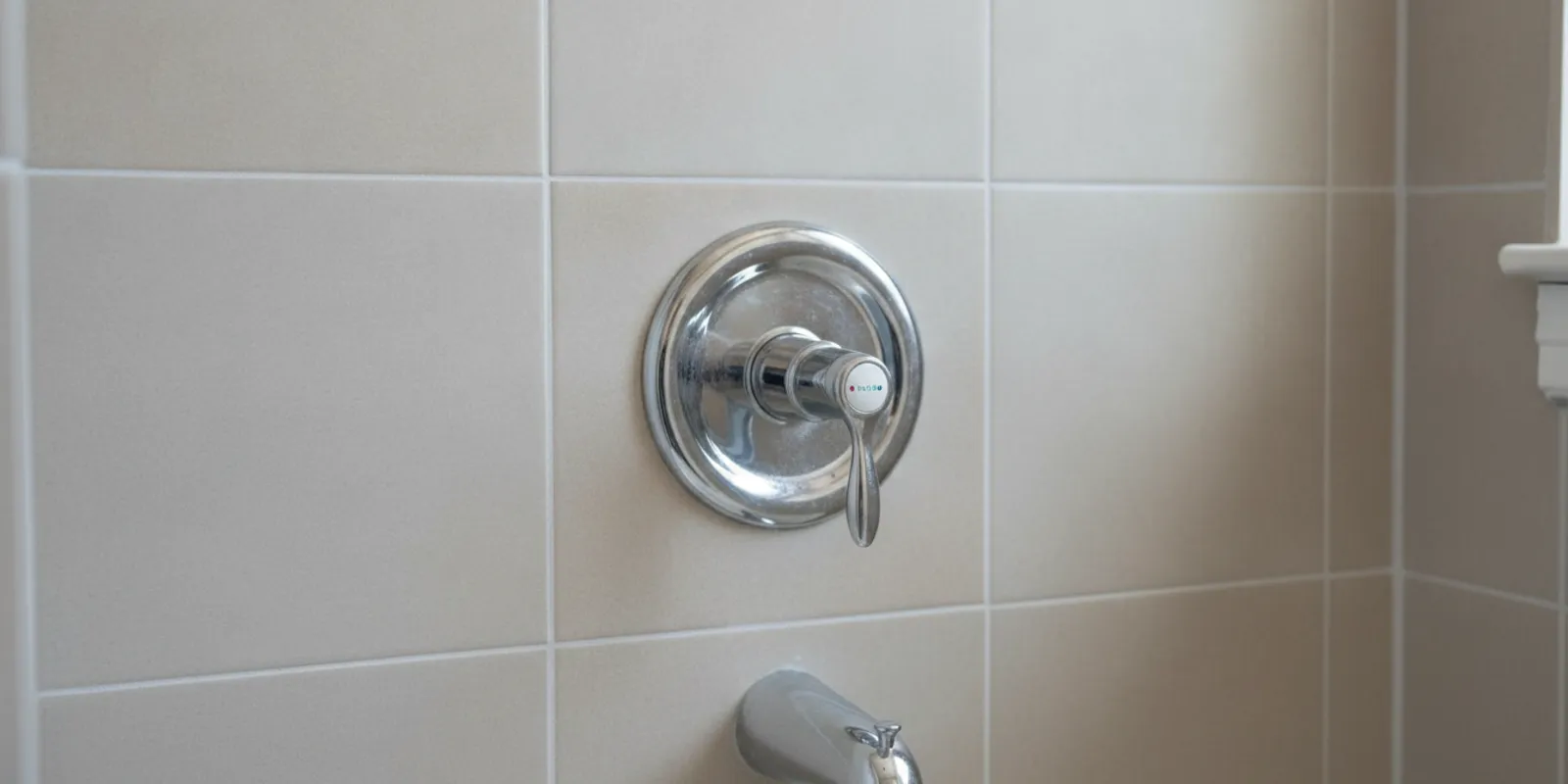
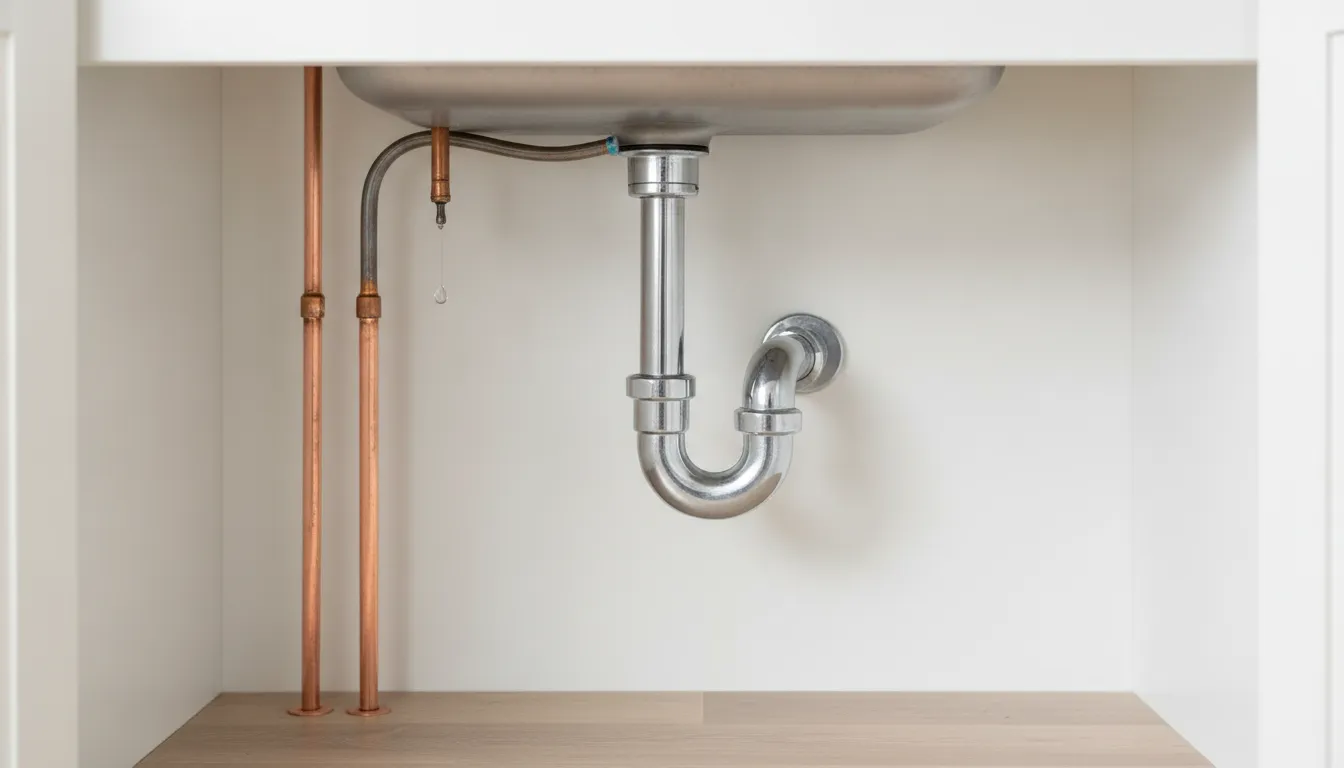
You do not have to shut the whole house for a single faucet, toilet, or ice maker. Most fixtures have a small supply stop under the sink, behind the toilet, or at the appliance. Close that stop, then open the faucet to bleed the short piece of pipe above it. The rest of the house keeps running.
A toilet usually has one stop on the wall or floor behind the tank. A sink often has two, one hot and one cold. A washing machine has hot and cold hose valves at the wall. A dishwasher and refrigerator line may have a stop under the sink or in the basement. Label the ones you find so the next repair is faster.
Local stops fail too. A cheap multi-turn stop can drip the moment you touch it, especially if it has sat open for years. If the handle spins without stopping the flow, go back to the main valve instead of tightening harder. The same rule applies to a hose bib that will not shut off outside. Close the house valve, then deal with the bib.
Hot-water-only leaks are a special case. Water leaves the cold main, passes through the heater, and then feeds the hot lines. If only the hot line is leaking, close the valve on the cold inlet at the water heater. Cold water can stay on in the rest of the house. That is not the same problem as a water heater that keeps turning itself off. A heater that shuts down on its own is covered in the water heater shutting off guide. That problem needs diagnosis, not a house shutoff.
What to do before a repair, and when to call
Shut the water off before anyone loosens a supply nut, pulls a toilet, or cuts a pipe. A pressurized line will spray the moment the joint opens, even if the drip looked small. Tell everyone in the house that the water is off so nobody turns a faucet and assumes the valve failed.
Use this order when you are getting ready for a planned repair:
- Find the valve you will use, main or local. Test that it moves before the repair day if you can.
- Clear storage away from the valve. You should be able to reach it with one hand and a flashlight.
- Close the valve fully. Open a nearby faucet until the flow stops.
- Place a pan under the joint you will open. Pipes still hold a pint or more.
- Turn the water heater off if the repair will take more than a short visit. That keeps it from heating an empty tank.
Call for help the same day in three cases. Water is coming through a ceiling. A valve handle broke off. Or you cannot find any shutoff and the leak is active. Tommie’s Plumbing handles leak repairs, water heaters, and repipes across the Tri-Cities and Northeast Tennessee. The team can take over when the shutoff itself is the problem. For a leak you can hear but cannot see, start with water leak detection so the visit is aimed at the right pipe. If a pipe is frozen or close to bursting, follow the frozen pipe repair steps before any thawing.
Stop the do-it-yourself work in three cases. The main valve is stuck. The valve weeps when you close it. Or the supply line keeps running after the house valve is shut. For an active flood, the emergency plumbing guide explains what to handle first while you wait. There is no flat price for freeing a seized valve or repairing the pipe behind it. The cost depends on access and pipe material. It also depends on whether the valve can be rebuilt or must be replaced. Ask for an on-site estimate before anyone starts cutting.
Turn the water back on without damaging the pipes
Opening a valve too fast can end a simple repair with banging pipes. It can also start a new drip at an old joint. Leave one faucet open before you reopen the shutoff. A cold faucet without a screen is best. Then open the valve slowly.
On a gate valve, turn the wheel counterclockwise a little at a time and pause. On a ball valve, move the lever only part of the way toward the pipe, wait until the open faucet runs steady, then finish the quarter turn. Air will spit and sputter. That is normal. Let the faucet run until the stream is solid, then move upstairs and repeat so trapped air leaves the high points.
Check every joint you opened, plus the valve you operated. A slow weep at the packing nut on a gate valve sometimes stops after the washer swells, but a steady drip means the valve needs service. Look under sinks and at the toilet supply for a full minute. Paper towels make a small leak obvious.
Turn the water heater back on only after the tank has filled and a hot faucet upstairs runs without sputtering. Heating a dry tank can burn out an electric element. If water is rusty for a few seconds, that is often scale knocked loose by the pressure change. If it stays brown, or the pressure is much lower than before, stop and have the line checked. Ongoing low pressure has its own causes, which the water pressure service page is built to address.
Once a year, on a calm day, close and reopen the main valve so it does not seize. Note where it is, and show another adult in the house. That one habit is what makes the steps above work when a pipe actually fails.
House shutoff and local shutoff compared
Use the house valve when the leak could be anywhere, or when a local stop will not close. Use the local stop when you know the fixture and the stop still works. This table is a field guide, not a building code.
| Situation | Valve to use | What you should see | Stop and call if |
|---|---|---|---|
| Leak under one sink. | Hot and cold stops under that sink. | That faucet goes dry. Other fixtures stay on. | The stop spins or starts dripping. |
| Toilet repair. | Supply stop behind the toilet. | The tank stops refilling after one flush. | Water keeps running into the bowl. |
| Hot line leak only. | Cold inlet valve at the water heater. | The hot side dies. Cold fixtures still run. | You cannot find the heater inlet valve. |
| Unknown leak or open pipe. | Main house shutoff. | The lowest cold faucet slows, then stops. | Flow stays strong after the valve is closed. |
| Valve will not turn. | Do not force it. | Nothing, until a plumber frees it. | The handle cracks, bends, or breaks. |
Older Tri-Cities houses often still have gate valves on galvanized or copper mains. Newer repairs in the area are more likely to use a quarter-turn ball valve. Either style can be the right shutoff. The test is whether a downstairs faucet actually stops, not what the handle looks like.
Well systems add one more step. Close the valve on the house side of the pressure tank first. The pump can still run if power is on and a switch is calling for water. Turn the pump breaker off if the house will be open for a while. Restore power only after the valve is open and a faucet is running. If you are not sure which breaker feeds the pump, leave it alone and call.
Frequently asked questions
Where is the main water shutoff in a Northeast Tennessee house?
It is usually the first valve on the cold pipe where water enters the home, in a basement, crawl space, garage, or utility closet near the water heater. Slab homes may use a meter box near the street. Well homes often shut off at the pressure tank. If closing it does not stop a downstairs faucet, you found a branch valve, not the main.
Which way do I turn the valve to shut the water off?
Clockwise, to the right, closes both common types. A gate valve needs several full turns of the round wheel. A ball valve needs a quarter turn until the lever is across the pipe. Open both types slowly, and only after a faucet is already open, so air can leave the lines.
Should I turn the water heater off when the house water is off?
Yes, if the water will be off for more than a few minutes. Switch an electric heater off at the breaker, or set a gas heater to pilot, so it does not heat an empty tank. Turn it back on only after the tank has refilled and a hot faucet runs in a steady stream.
What if the shutoff valve is stuck or breaks?
Stop turning it. A seized gate valve often snaps when someone adds a wrench. Use a local fixture stop if the leak is at one fixture and that stop still works. If water is still running and no valve will close, treat it as an emergency and have a plumber shut the supply and replace the valve.
Can I shut off water at the street meter myself?
Sometimes the customer valve in the meter box is meant for the homeowner, and sometimes the meter valve belongs to the utility. Do not guess, and do not step into a flooded or confined box. If the indoor valve has failed and water is escaping, call a plumber or your water utility rather than forcing a meter valve you do not own.
Need the water shut off before a repair? Call Tommie’s Plumbing at (423) 638-3662 or send a service request. If you gotta leak, let Tommie’s take a peek.