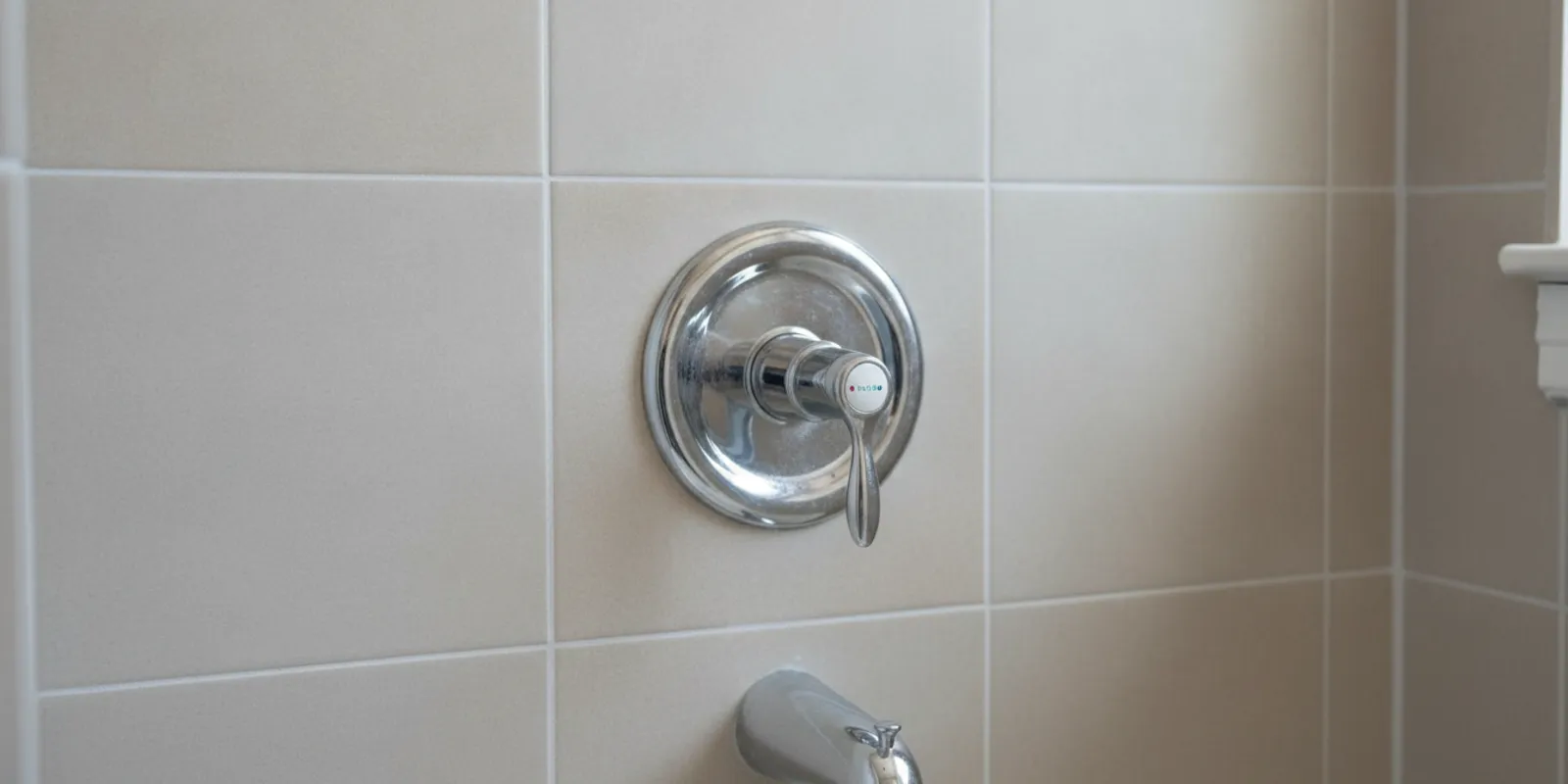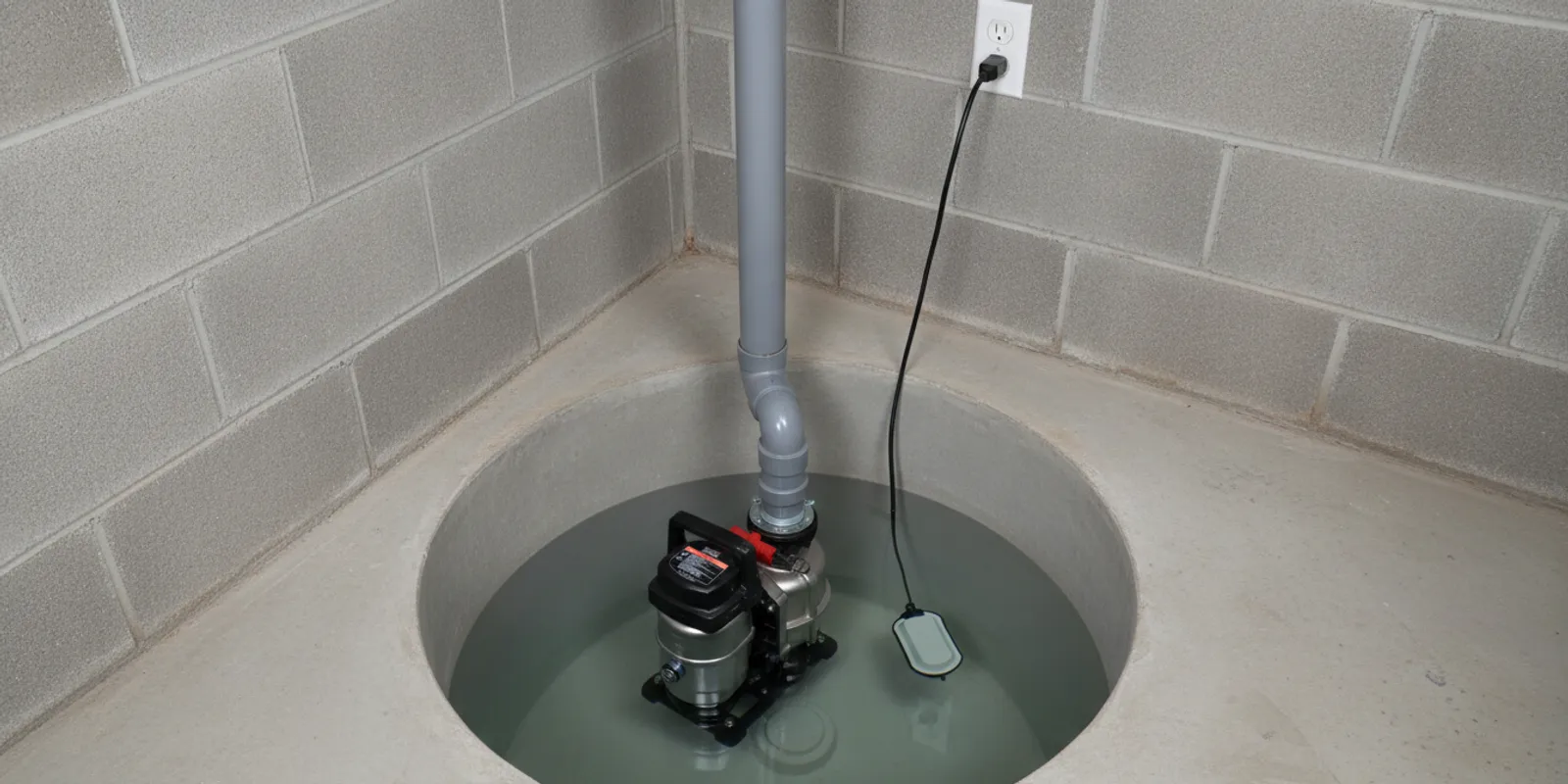
A water leak can start with a faint stain, a dripping sound, or a water bill that suddenly seems higher than normal. Finding the right plumber for water leaks helps you protect the home, limit water waste, and understand whether the problem is a simple fixture repair or a larger issue inside the plumbing system. The best choice is a plumbing professional who can locate the source, explain the repair, and provide a job-specific recommendation.
Call (423) 638-3662 to talk with Tommie’s Plumbing about a water leak.
Start by deciding how urgent the leak is
Not every drip requires the same response, but any unexplained water should be taken seriously. A slow faucet leak may be inconvenient. A burst supply line can damage flooring, cabinets, drywall, and belongings in a short time. Before comparing plumbers, decide whether the situation needs immediate attention.
| What you see | What to do first | How to book |
|---|---|---|
| Water is spraying, pooling fast, or near outlets. | Shut the water off if you can do it safely. Stay out of wet electrical areas. | Ask for emergency leak service and describe the active water. |
| A ceiling stain, wet cabinet, or soft floor is growing. | Catch the drip, move belongings, and note which fixture is above it. | Book the next leak inspection and share photos. |
| A faucet, toilet, or valve drips, and the rest of the house is dry. | Place a towel or bowl under it. Do not force the handle. | Schedule a regular visit and ask if it is a fixture repair. |
| The bill jumped and you cannot find standing water. | Do not guess at hidden pipes. Write down when the bill changed. | Request a leak inspection and mention the bill. |
Shut off the nearest fixture valve if it is safe to do so. For a leak that continues, locate the home’s main water shutoff and turn it off. If water is near electrical equipment, avoid standing in the water and contact the appropriate emergency service before entering the area. Move valuables away from the wet spot only if doing so is safe, and take a few photos to document what you see.
Common signs that call for prompt plumbing help include water pooling under a sink, a ceiling stain that is growing, or a pipe that is spraying. A toilet supply line that will not stop leaking, or a sudden loss of water pressure, belongs on that list too. A persistent musty smell, warped flooring, or bubbling paint can also mean water has been present longer than the visible drip suggests.
For a practical review of the first shutoff steps, read how to turn off water to a house. That preparation does not replace an inspection, but it can help reduce additional water flow while you arrange service.
Identify where the water is coming from
Water does not always appear directly below the failed part. It can travel along a cabinet base, floor joist, wall cavity, or ceiling before it becomes visible. Try to identify the nearest active source without opening walls, removing flooring, or taking apart a fixture that may still be needed for diagnosis.
Fixture and connection leaks
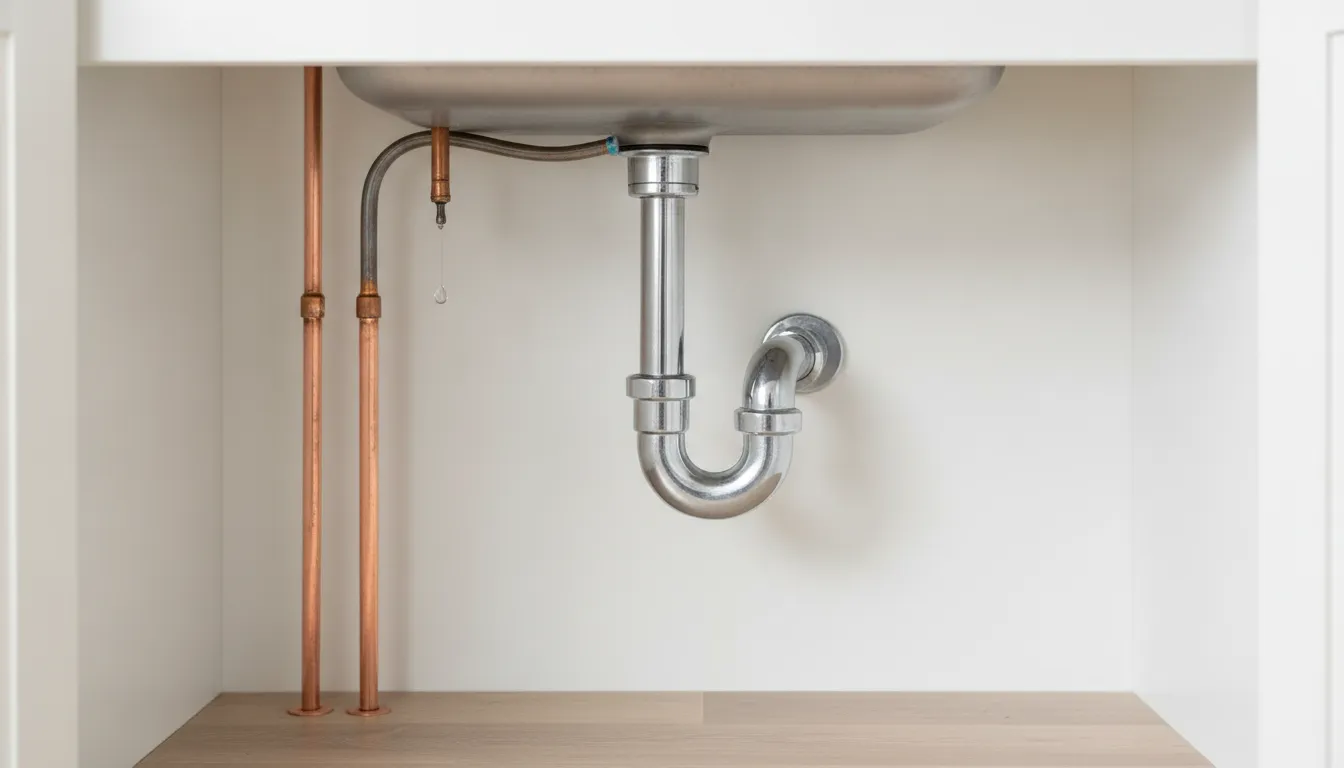
Leaks around faucets, toilets, dishwashers, washing machines, and water heaters often begin at a connection, valve, hose, seal, or fitting. Look for mineral buildup, corrosion, damp supply lines, or a small ring of water around the base of a fixture. Do not overtighten a connection as a quick fix. Excessive force can damage threads or a gasket and make the eventual repair more difficult.
Visible pipe leaks
A pinhole, split, or loose joint on an exposed pipe may be easy to see, but the right repair depends on the pipe material, location, water pressure, and condition of nearby sections. A temporary clamp or tape may slow a drip, but it should not be treated as a permanent repair when water is still escaping or the pipe is deteriorated.
Hidden or intermittent leaks
A hidden leak may show up as a warm or discolored spot, an unexplained sound behind a wall, or damp cabinets. A musty odor, or a water meter that moves when all fixtures are off, can point the same way. Intermittent leaks are harder to trace because the water may appear only when a fixture runs, a drain is used, or an appliance fills.
If the source is not obvious, do not assume that the most visible damp spot is the cause. A plumber can follow the water path and determine whether the repair belongs to a fixture, supply line, drain connection, or another part of the plumbing system.
Look for a plumber who handles the type of leak you have
When choosing a plumber, begin with the company’s actual service coverage rather than a broad promise to fix anything. A company that routinely handles residential plumbing repairs should be prepared to evaluate fixture leaks, supply-line problems, damaged piping, water pressure concerns, and related symptoms. If the problem involves sewer or drain water, the company should also be able to explain whether the issue is separate from a clean-water supply leak.
Tommie’s Plumbing provides plumbing services for homeowners and businesses across the Tri-Cities and Northeast Tennessee. Its plumbing services page is a useful starting point for reviewing the types of plumbing work the company handles. A leak evaluation may also reveal a related concern, such as pressure that is too high or a pipe section that needs more than a one-part replacement.
Do not choose a company based only on a low advertised starting price. The final scope can depend on where the leak is located, how accessible it is, whether surrounding materials are damaged, and whether connected parts are worn. A responsible plumber should explain those factors instead of promising an exact price without seeing the problem.
Ask these questions before scheduling service
A few focused questions can help you compare plumbing companies and avoid surprises. You do not need to diagnose the leak yourself. You need enough information to confirm that the plumber is a sensible fit for the situation.
- Do you inspect the source before recommending a repair? The plumber should separate the visible symptom from the actual cause.
- Do you handle both fixture leaks and piping problems? This matters when the leak may involve a valve, a connection, a supply line, or a concealed pipe.
- What should I share before the visit? Give the location, when the leak happens, whether the water is clean or dirty, and whether a shutoff changes it.
- Will you explain the repair options? If replacement is recommended, ask why a repair is not enough and whether nearby parts should be checked.
- How will the estimate be handled? Ask what is included, what could change the scope, and whether extra work is discussed before it starts.
- Are you licensed and insured in Tennessee? Ask for the license name and number, and ask for proof of liability insurance on larger jobs.
These questions are more useful than asking for a generic “leak price.” The same symptom can involve a loose connection, a failed valve, a cracked pipe, or a leak behind a finished surface. A job-specific estimate is the only reliable way to account for the actual condition and access requirements.
Check experience, communication, and service area
Water leaks are stressful because the homeowner may be making decisions while trying to protect the property. Look for a plumber who communicates clearly, arrives prepared for the reported problem, and treats the inspection as more than a quick guess. Experience matters, but so does the ability to explain what was found and what should happen next.
For local homeowners, confirm that the company serves the community where the property is located. Tommie’s Plumbing serves families and businesses throughout Northeast Tennessee and the Tri-Cities, including communities such as Greeneville, Morristown, Johnson City, Kingsport, Bristol, and surrounding areas. If you are unsure whether your address is within the service area, ask when you call rather than assuming.
Reviews can provide helpful context about communication and follow-through, but read them for details that relate to your situation. Look for comments about leak diagnosis, plumbing repairs, punctuality, cleanup, and whether the company explained options. A large number of reviews alone does not prove that a company is the best match for a concealed leak or active water loss.
Understand the difference between a leak and a water-pressure problem
Water pressure can affect how a leak behaves and may contribute to stress on plumbing components. If several fixtures have weak flow, a pressure concern may be involved. If pressure changes suddenly, fixtures sputter, or a pipe begins leaking after a plumbing event, mention those details to the plumber.
A pressure symptom does not prove that pressure caused the leak. The plumber still needs to inspect the fitting, valve, pipe, or fixture. Tommie’s water pressure service information can help you understand why unusual pressure deserves attention, especially when it appears alongside a new drip or repeated plumbing repairs.
Likewise, an unexplained rise in water use can point to a leak, but it can also have other causes. A running toilet, irrigation issue, appliance problem, or seasonal change may affect a bill. Tommie’s page about high water bills provides another relevant starting point. Share the timing and size of the change with the plumber so the visit can focus on the most likely sources.
Prepare useful information for the appointment
Before the plumber arrives, write down when you first noticed the issue and whether it is constant or intermittent. Note which fixtures were being used, whether the main shutoff changes the water, and whether the water looks clear, cloudy, or dirty. If the leak is behind a cabinet or appliance, clear only the items that can be moved safely.
Take photos or a short video when the leak is active. Include the surrounding area so the plumber can see staining, swelling, corrosion, or the path the water appears to follow. Keep any temporary repair materials in place until the professional sees them unless they create a safety hazard. Do not conceal damage with fresh caulk or paint before the inspection.
If you have recently had another plumbing repair, replaced a fixture, or noticed a pressure change, mention it. The timing may help the plumber identify a connection or component that needs closer examination. Also note whether the home has experienced freezing conditions or an extended period without water use, since those details can affect some pipe failures.
Know when a small leak should not wait
A drip that seems manageable can still damage cabinetry, flooring, insulation, or drywall. Hidden moisture can also create conditions for mold growth and odors. Call promptly when water is spreading, the source is concealed, the leak returns after a temporary stop, or the shutoff valve does not work.
Do not wait for a large puddle if you see a ceiling stain, hear water inside a wall, find recurring dampness, or notice a water meter moving while every fixture is off. A plumber can determine whether the issue is active and what inspection or repair is appropriate. Acting early may make the source easier to locate and may reduce the amount of secondary damage, although no outcome should be promised before the property is assessed.
Some leaks are connected to a drain or sewer problem rather than a pressurized water line. If the water is foul-smelling, discolored, backing up, or appearing around a floor drain, explain that when you schedule service. Tommie’s sewer and drain cleaning service information is relevant to those symptoms, but a professional should confirm the source instead of relying on appearance alone.
Use existing leak information without delaying a diagnosis
Online guides can help you describe what you see, but they cannot confirm the cause of water damage inside your home. Tommie’s article on preparing for water leak detection may help you organize observations before the appointment. The purpose of preparation is to give the plumber useful evidence, not to replace a hands-on inspection.
Similarly, a faucet drip may be limited to a fixture, or it may be part of a broader issue with a valve or nearby piping. If the leak appears to come from a faucet, you can review what homeowners should know about a leaking faucet before calling. If the faucet continues to leak, the shutoff does not hold, or water is reaching the cabinet, schedule professional service rather than repeatedly tightening parts.
Choose a plumber for water leaks with a clear plan
The right plumber for water leaks should give you a clear path from the symptom to the next step. That means identifying the source, explaining the condition, and outlining the repair options. You should know what needs immediate attention and what can be planned, without pressure to add unrelated work.
For homeowners in the Tri-Cities and Northeast Tennessee, the Tommie’s Plumbing home page is the direct place to begin. When you contact the company, describe the leak location, how quickly water is escaping, whether you have shut off the water, and any related pressure or water-bill changes. Those details help the team understand the situation before the visit.
Schedule plumbing service for a water leak and ask what information to have ready before the appointment.
Confirm the license, insurance, and a written estimate
A plumber for water leaks should be easy to check before the truck arrives. Ask for the Tennessee license name and number, then confirm it with the Board for Licensing Contractors. Also ask whether the company carries liability insurance for work inside an occupied home.
Tommie’s Plumbing is a plumbing-only company with more than 30 years of trade experience across the Tri-Cities and Northeast Tennessee. On-site visits can include Good, Better, and Best options, so you can compare a direct repair with a broader fix. Ask for the written scope before work starts, and ask what this repair covers. Warranties vary by job.
There is no reliable average price for a water-leak repair here, because access and the leak location decide the work. Compare the written scope, not a phone guess. If one price is far lower, ask what was left out.
Frequently asked questions
What should I do before a plumber arrives for a water leak?
If it is safe, shut off the nearest fixture valve or the main water supply, protect belongings from additional water, and document the leak with photos. Do not enter standing water near electrical equipment, and do not remove walls or flooring to search for the source.
How do I know if a leak is hidden?
A growing stain, musty odor, unexplained dampness, water sounds behind a wall, warped materials, or a meter that moves when all fixtures are off can point to a hidden leak. A professional inspection is needed to confirm the location and cause.
Should I repair a leaking pipe myself?
A homeowner may be able to shut off water and limit damage, but a temporary patch is not always a lasting repair. Pipe material, pressure, access, and nearby corrosion all affect the correct solution. Ask a plumber to evaluate a leak that continues, returns, or is difficult to reach.
How much does it cost to hire a plumber for water leaks?
The cost depends on the source, accessibility, parts, labor, damage, and whether more than one component needs attention. Avoid relying on a generic online number. A plumber should inspect the problem and provide a job-specific estimate with the scope explained before work begins.
What if the leak caused damage to drywall or flooring?
Contact a plumber to address the water source first. Take photos and avoid covering damp materials. Depending on the extent of the damage, a qualified restoration professional may also be needed after the plumbing problem is controlled.
Need help choosing the next step? Call (423) 638-3662 to consult with Tommie’s Plumbing about your water leak. For direct water leak help, start with the home page and describe what you are seeing.